
How to choose front-pleat pants : who they suit helps you decide whether this classic silhouette fits your body and lifestyle. In this guide you will assess your proportions, try a simple starting point (one forward-facing pleat, mid-rise, moderate break), and test fabrics that drape well, such as lightweight wool or linen blends. The simplest path is to start with a single forward-facing pleat, ensure the rise supports your torso, and tailor at the waist and seat for clean lines. Pair with a crisp jacket and minimal accessories to let the pleats read as purposeful details rather than excess fabric. By focusing on fit, drape, and proportion, you’ll learn who front-pleat pants suit-those who want room through the thigh, a streamlined front, and a modern-retro edge that stays current when properly tailored.
Who this is forThis is for you if:
- You want extra room through the thigh while keeping a clean front line
- You aim for a classic silhouette that can read modern with tailoring
- You’re willing to tailor waist, seat, and hem for a precise fit
- You prefer a versatile pant that can dress up with a jacket or down with casual pieces
- You want a breathable option using drapey fabrics like wool blends or linen
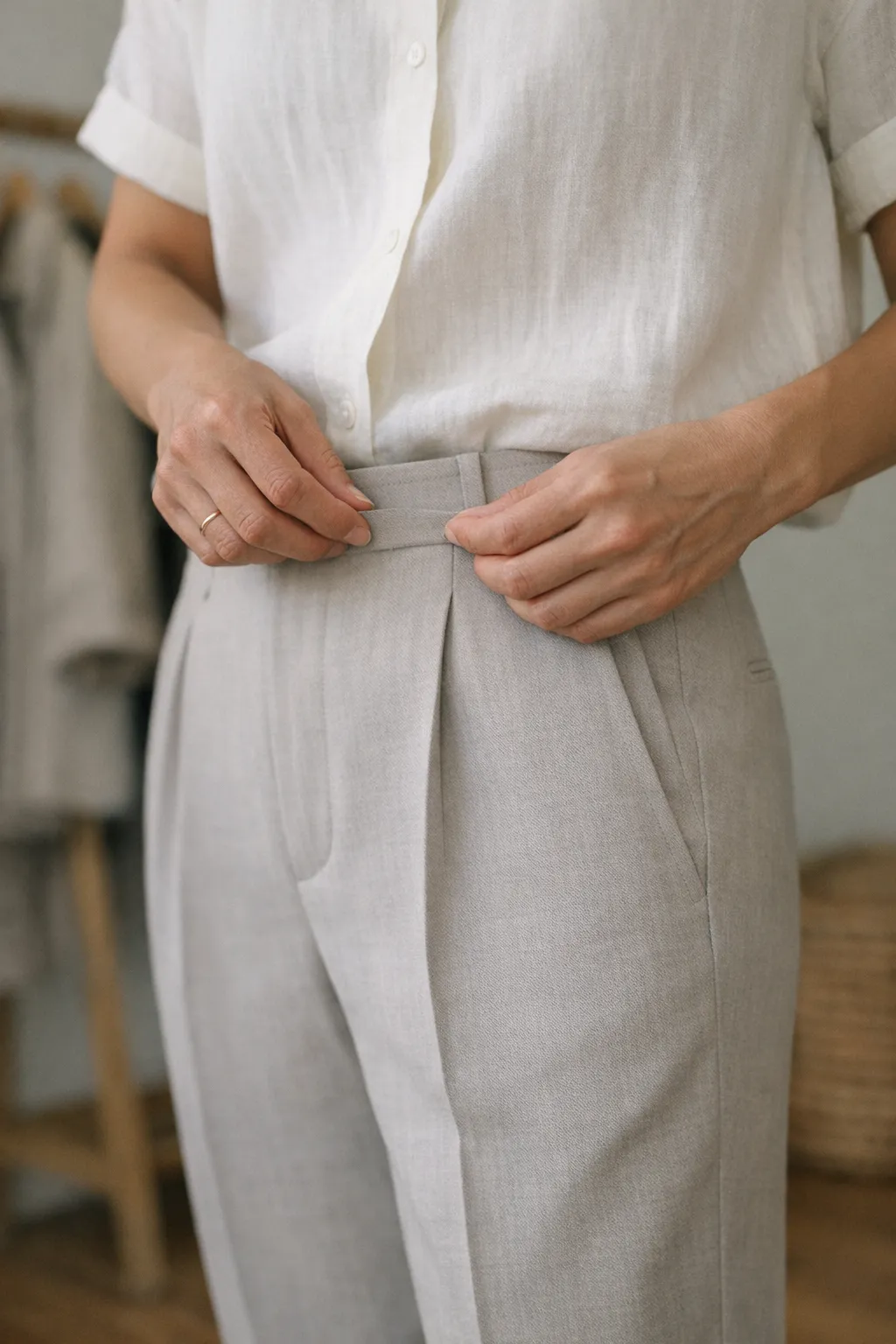
Prerequisites to confidently choose front-pleat pants
Before you start, having clear measurements and styling goals helps you avoid ill-fitting bulk and ensures the chosen pleats read as intentional. Understanding your rise needs, mobility, and the fabrics you’re comfortable wearing speeds up decisions and sets you up for a modern, tailored look that still nods to classic structure.
Before you start, make sure you have:
- Clear waist and hip measurements for proper fit
- Choice of rise that balances torso and leg length
- Preferred pleat count and direction (one or two forward-facing)
- Mobility needs for daily activities (sitting, walking, bending)
- Target pant length and cuff style for your footwear
- Fabric preference with good drape (lighter wool, linen blends)
- Access to tailoring or alterations for a precise fit
- Wardrobe plan to pair with jackets and minimal accessories
- Budget considerations (ready-to-wear vs custom-made options)
- Willingness to test different fabrics and test-fit versions
- Understanding of how rise influences comfort and silhouette
- Awareness of how pleats affect movement and silhouette
Take Action: choose front-pleat pants that suit you
Get ready to decide if front-pleat pants fit your body and daily life. This guide walks you through a practical decision process, from assessing your proportions to testing fabrics and tailoring. You’ll focus on a clean front line, comfortable movement, and a silhouette that can read classic or modern depending on fit. By prioritizing rise, drape, and proportional balance, you’ll quickly identify whether front-pleat pants suit you and your wardrobe without getting lost in complex options or trends.
-
Assess body type and mobility
Look at your torso-to-leg proportions and how you move in everyday tasks. Note where you need extra room for comfort and how the front of the pants should hang. Consider how you sit and bend, since pleats influence seating and thigh movement. Use these cues to guide the rest of your choices.
How to verify: Check that the silhouette remains balanced from front and side after sitting and walking.
Common fail: Ignoring how mobility changes with different activities.
-
Define the look you want
Decide whether you want a classic, modern, or hybrid vibe. Align this with your current wardrobe and typical events. Visualize how the pants will pair with jackets, shoes, and minimal accessories. This aims to prevent a dated or mismatched result.
How to verify: Confirm the overall vibe matches your usual outfits.
Common fail: Choosing based on trends alone.
-
Choose pleat direction and count
Consider the front-pleat setup and how many folds create the most comfortable front. Start with a simple option to see how it sits at the waist and front. Check that the pleats align with your zipper and pockets as intended.
How to verify: Pleats sit evenly and read well with a jacket.
Common fail: Using too many large pleats that bulk the front.
-
Determine rise and length
Choose a rise that flatters your torso length and provides comfort when seated. Ensure the leg length creates a clean break and works with your footwear. Avoid waist heights that feel awkward or pull at the front.
How to verify: Check in front and side views that the rise reads as balanced.
Common fail: Overly short or long hems that disrupt the silhouette.
-
Select fabric with good drape
Test fabrics that drape well, start with lighter wools and linen blends to feel how pleats behave. Consider weight, texture, and how the fabric moves when you walk or sit. Avoid stiff or heavy fabrics that bulk the pleats.
How to verify: Move through typical activities and observe the pleats’ hang.
Common fail: Choosing fabric that holds the pleats too rigidly.
-
Tailor fit at waist, seat, and leg
Have a tailor adjust the waist and seat for crisp lines and neat pleats. Ensure the leg width balances the overall silhouette and avoids bulk around the knees. Confirm cuffs or hems align with your shoes and style.
How to verify: Waist and seat sit cleanly with no bulge, pleats hang evenly.
Common fail: Skipping alterations that leave bulk or misalignment.
-
Test movement and finalize
Wear the pants through a typical day to check comfort in sitting, walking, and bending. Observe how the pleats read from a distance and up close. Decide whether to buy off the rack or pursue additional tailoring for a perfect fit.
How to verify: The final look reads as tailored and comfortable in real use.
Common fail: Rushing purchase without real-world testing.
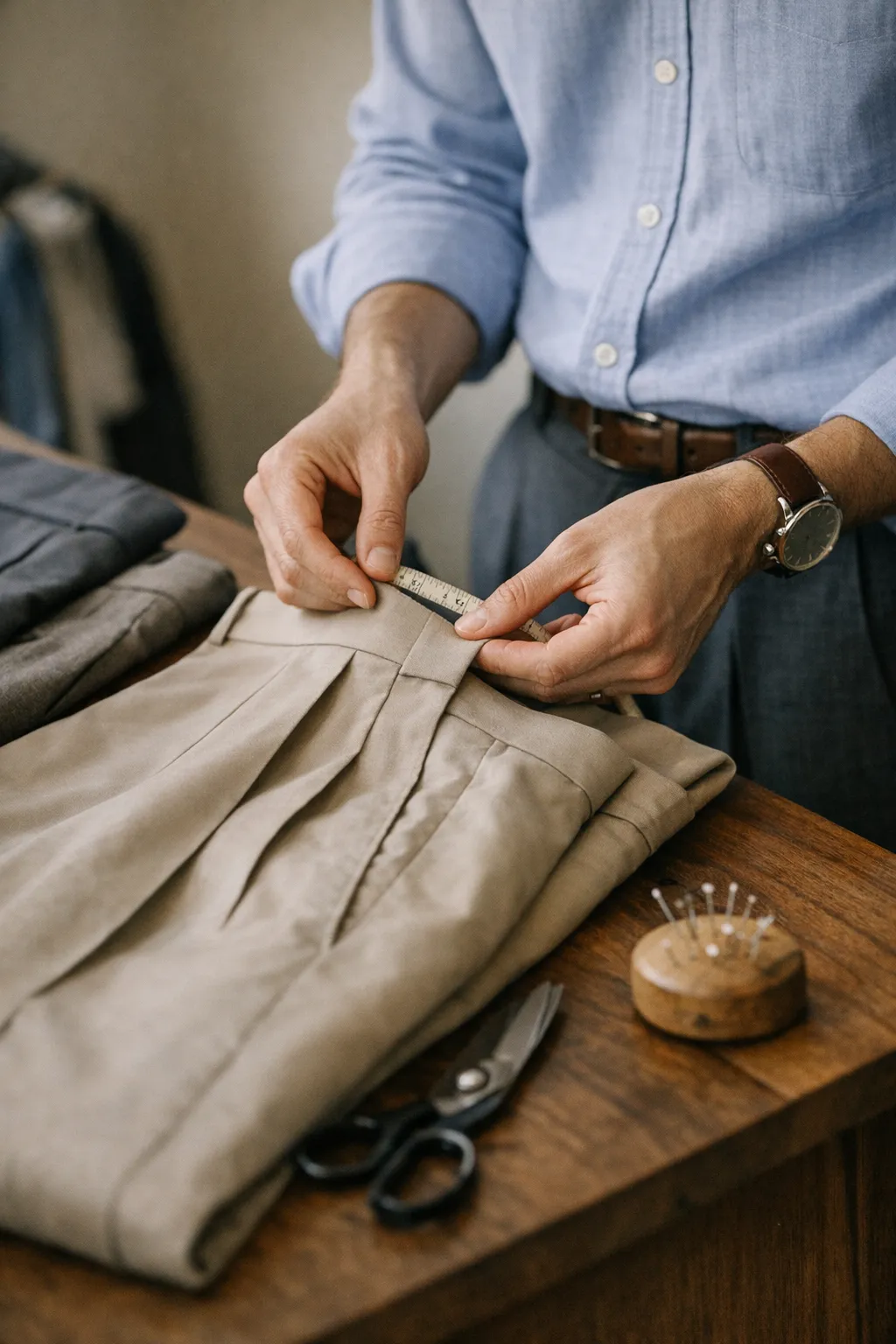
Verification: confirm that front-pleat pants suit you in real life
Use this verification to ensure your front-pleat pants deliver the intended look and comfort beyond the fitting room. You should be able to move naturally, sit and stand with ease, and see a clean, balanced silhouette from multiple angles. Successful verification means the pleats read as intentional detail, the rise and length feel correct, and the overall outfit pairs smoothly with a jacket and minimal accessories. If every check aligns, you’ve chosen front-pleat pants that suit your body and wardrobe.
- Pleats sit flat at the waistband with a clean front line
- Front drape remains smooth without pulling or bunching
- Rise proportion reads balanced with your torso length
- Pleats align with the zipper and pockets and stay pressed
- Fabric weight and drape support clean lines in motion
- Movement feels comfortable during daily activities
- Pant length and cuffs create the intended break
- The overall silhouette reads tailored and modern
| Checkpoint | What good looks like | How to test | If it fails, try |
|---|---|---|---|
| Silhouette balance | Clean front and side views with no bulges | Sit, stand, and walk, view in mirror from multiple angles | Adjust rise or waist, consider tailoring for a crisper line |
| Pleats pressed and aligned | Even, sharp pleats that read as deliberate | Move through typical activities, re-press if needed | Refine pressing technique or fabric choice |
| Rise-to-torso balance | Torso length and leg length look natural together | Check front and side views while standing and seated | Adjust with tailoring for seat and waist fit |
| Fabric drape | Drape supports clean lines without stiffness | Walk and bend, watch pleats move with the body | Choose lighter fabric or different weave if bulk occurs |
| Fit at waist and seat | Waist sits securely, seat fits without pulling | Sit and stand, check for waistband slack or tightness | Tailor waist/seat for precise fit |
Troubleshooting: front-pleat pants fit and read
When selecting front-pleat pants, issues often come from improper rise, fabric choice, or misjudged pleat size. Use these concise, actionable fixes to correct common symptoms without starting from scratch. Focus on balancing the front line, ensuring comfortable movement, and preserving a modern silhouette through careful tailoring and fabric selection.
-
Symptom:
Pleats bulge at the hip when standing
Why it happens: Pleats are too large for your thigh volume or the rise is too low, creating bulk in the front.
Fix: Try a smaller pleat or one-pleat style, raise the rise slightly, and have the seat tailored for better drape.
-
Symptom:
Pleats pull or pucker when sitting
Why it happens: Excess thigh tightness or stiff fabric prevents the front from relaxing seated.
Fix: Increase thigh room with a slight wedge in the thigh or choose a lighter fabric with better drape, adjust seat width during tailoring.
-
Symptom:
Front line appears wrinkled after movement
Why it happens: Fabric weight or weave doesn’t drape cleanly, too stiff or heavy for pleats.
Fix: Switching to a lighter fabric or different weave and ensuring the pleats are pressed, verify the break and cuff balance with tailoring.
-
Symptom:
Pleats flatten or lose shape during wear
Why it happens: Pleats are not properly pressed or fabric lacks stable drape.
Fix: Re-press pleats with appropriate heat and steam, confirm fabric has suitable weight for pleats and consider re-cutting for stability.
-
Symptom:
Waist feels loose or gaps at the front
Why it happens: Waist measurement is off or pleats pull the waistband forward.
Fix: Have the waist adjusted by a tailor, or redistribute ease so the front lies flat without pulling the waistband.
-
Symptom:
Hems sit too long or too short, breaking awkwardly
Why it happens: Incorrect inseam length or cuff styling for the chosen footwear.
Fix: Re-measure inseam, adjust the hem, and set the cuff to align with shoe height for a clean break.
-
Symptom:
Overall silhouette reads dated
Why it happens: Too many or oversized pleats paired with heavy fabrics or outdated tailoring.
Fix: Opt for a slimmer, neater pleat or a single-pleat style and pair with modern jacket lines and minimal accessories, refresh fabric choice if needed.
-
Symptom:
Pleats read as a decorative detail rather than functional
Why it happens: Pleats are pressed but the overall fit is not balanced with torso and leg proportions.
Fix: Reassess rise, seat, and leg width, tailor to center the pleats and maintain a clean front while keeping movement comfortable.
What readers ask next about front-pleat pants
- Who should wear front-pleat pants? They suit people who want extra room through the thigh while keeping a clean front line, paired with a classic silhouette and modern tailoring.
- What pleat count should I start with? Start with a single forward-facing pleat , you can add a second if you need more room and confirm drape.
- What rise works best for these pants? A mid to high rise generally balances proportions, hip-height rises often feel less flattering for many body types.
- Which fabrics are ideal? Look for drapey fabrics like lightweight wool or linen blends that move well with pleats and avoid heavy, stiff materials.
- How should they be tailored? Tailor the waist and seat for clean lines, ensure pleats hang evenly, and set the cuff length to balance the silhouette.
- Can front-pleat pants be worn for formal events? Yes, with a crisp jacket and minimal accessories, choose refined fabrics and precise tailoring for a polished look.
- Are front-pleat pants currently fashionable? They read as modern when tailored with clean lines, avoid oversized or bulky pleats that look dated.
- How can I test if they fit my wardrobe? Try a simple, versatile pairing with existing jackets and shirts to see if the look works across work and smart-casual settings.
Common questions about front-pleat pants
-
Who should wear front-pleat pants?
Front-pleat pants suit wearers who want extra room through the thigh while keeping a clean front line. They work well for those who prefer a classic silhouette with a modern tailoring edge and are open to tailoring to refine the fit. If you value comfortable movement, a structured look, and the option to dress up or down, these pants fit your needs.
-
What pleat count should I start with?
Start with a single forward-facing pleat as your baseline. It delivers a clean front while giving moderate thigh room, and is the easiest to tailor. If you find you need more space for movement or if your thighs are fuller, you can add a second pleat or switch to a double-pleat configuration after trying the initial version. Always test drape and ensure the pleats sit evenly before making a final choice.
-
What rise works best for these pants?
A mid to high rise generally suits front-pleat pants by balancing the torso and leg length while accommodating the pleats. A rise that sits around the natural waist or slightly higher helps prevent the front from pulling and creates a crisper line when you stand or move. Avoid hip-height rises, which can obscure the silhouette and create bulk at the front.
-
Which fabrics are ideal?
Choose fabrics with good drape that support clean pleats, such as lightweight wool, wool blends, or linen blends. Avoid heavy, stiff fabrics that resist folding or crease naturally. Lighter fabrics let pleats hang and move with you, while a bit of smooth texture adds modern depth. Test fabrics by bending and walking to observe how the pleats respond.
-
How should they be tailored?
Tailor the waist and seat for crisp lines, ensure the pleats hang evenly, and set the cuff length to balance the silhouette. Avoid excess bulk at the waist or through the thigh. A well executed alteration plan should optimize rise, front hang, and leg width so that the front reads clean, and the pleats remain visually deliberate in motion.
-
Can front-pleat pants be worn for formal events?
Yes, with careful fabric choice and precise tailoring. Select refined fabrics such as smooth wool or worsted blends in darker tones, keep surfaces nap free, and pair with a sharp jacket and minimal accessories. The goal is a tailored, polished line where pleats function as a measured detail, not a bulk feature. Avoid shiny finishes or oversized pleats that read casual.
-
Are front-pleat pants currently fashionable?
They read as modern when tailored with clean lines and balanced drape. Avoid oversized or bulky pleats, which tend to appear dated. The key is crisp tailoring, careful fabric choice, and pairing with a minimalist jacket to keep the silhouette current. A contemporary retro vibe can emerge when the fit is precise and the styling is restrained.
-
How can I test if they fit my wardrobe?
Try a straightforward pairing with pieces you already own, like a tailored jacket, a simple shirt, and the shoes you routinely wear. Confirm the front reads clean against your other silhouettes and that you can move comfortably in everyday activities. Use both formal and casual combinations to see if front-pleat pants integrate well across your typical settings.