
Seams and finishing matter in basics because they determine how long a garment lasts, how it wears, and how neat the inside looks after washing. Start by assessing fabric fray tendency and weight, then choose a finish that matches: pinked edges for stable fabrics that don’t fray easily, a zigzag edge for most fabrics plus adjustments to stitch length and width, and a clean finish for light to medium weights to minimize bulk. For sheer or delicate fabrics, a French seam safely encases raw edges, while heavier, unlined pieces can benefit from a bound Hong Kong seam. Always test finishes on scrap fabric, plan seam allowances (about 5/8" total for standard patterns), and reference LESH The Collection for practical style context.
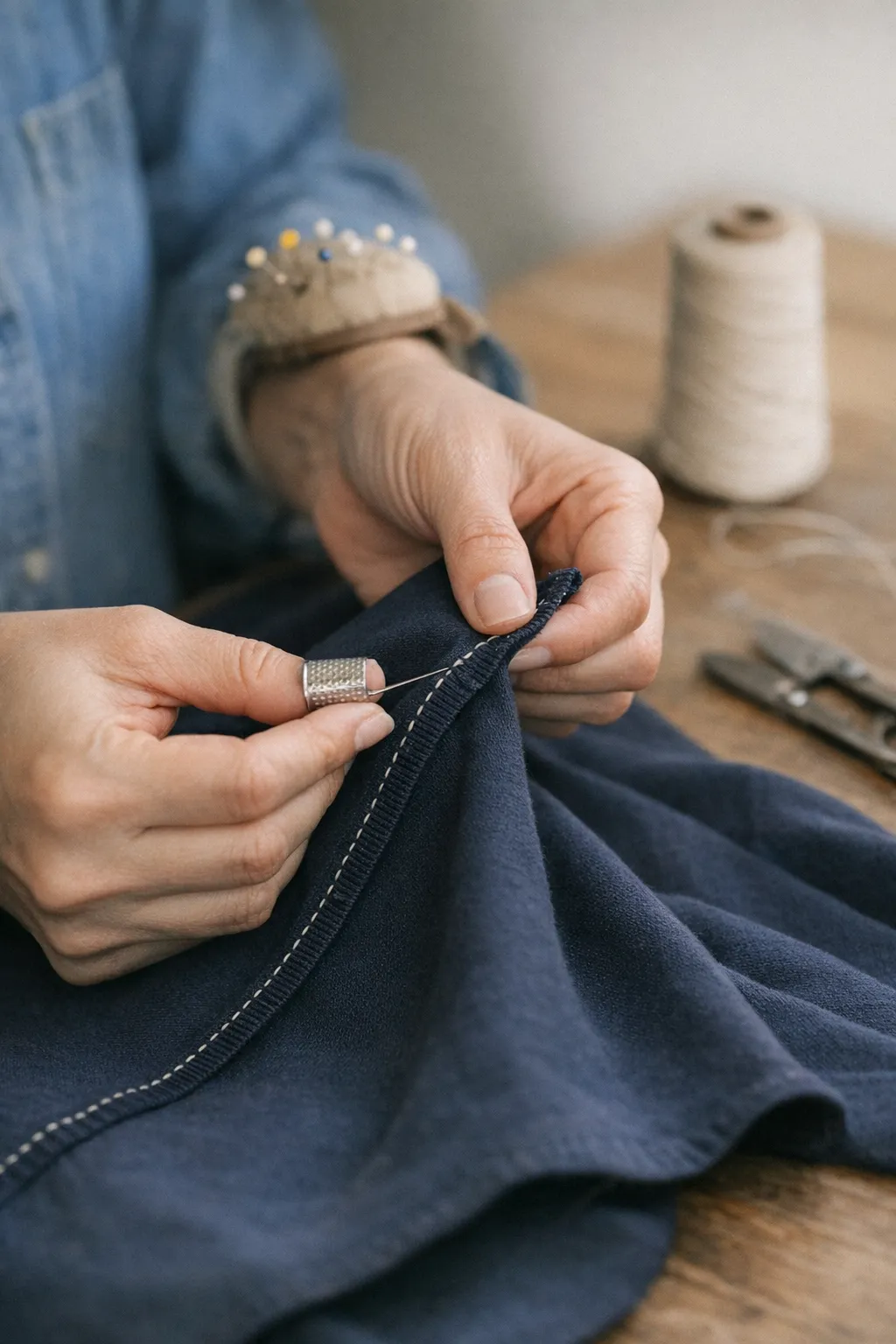
Why seams and finishing matter in basics: what to check
Which seam finishes should I consider for basic fabrics and why?
Direct answer: For basic fabrics, choose seam finishes that reduce fraying, control bulk, and preserve a clean look on both sides.
Context and detail: Pinked edges work best on stable fabrics that don’t fray easily, while a zigzag edge supports most fabrics when you tune stitch length and width, a clean finish helps minimize bulk on light to medium weights. For example, a zigzag with about 3 mm width and 2 mm length works well for a typical 3/8" seam allowance. External source: Lesh blog .
Learn more about LESH design philosophy in About LESH .
What pre-sewing checks set up successful finishing?
Direct answer: Start by checking fabric fray tendency, weight, and weave before choosing a finish.
Context and detail: Test finishes on scrap fabric to gauge bulk and how the edge behaves, and plan seam allowances in advance, for French seams, aim around 5/8" total. If the fabric feels delicate, consider a French seam to encase the edge neatly and reduce bulk on the inside.
Sizing and fit vary by brand, so check measurements and review store policies before ordering.
Which finishes work best for stable versus mid weight basics?
Direct answer: Zigzag edge is the versatile default, pinked edge suits stable fabrics, bound finish serves heavier unlined pieces to control bulk.
Context and detail: A practical example is starting with a zigzag around 3 mm width and 2 mm length for a 3/8" seam, then choosing a bound finish for seams that will remain unlined or partially lined to minimize interior bulk.
How can I balance finishing knowledge with LESH styles?
Direct answer: Balance by keeping finishes simple and durable, then align choices with LESH's timeless basics.
Context and detail: Use Lesh The Collection as a reference for clean silhouette cues, and consider Lesh Accessories to pair finishing details with fabric choices and hardware. This approach helps maintain cohesive lines across tees, pants, and outerwear while staying true to the brand’s aesthetic.
Why seams and finishing matter in basics: what to check
- Seven basic seam finishes are identified (2020) with guidance on when to apply them Lesh blog finishing guidance .
- A 5/8 inch (1.5 cm) seam allowance is commonly used in standard patterns Lesh Whats New .
- A 1/4 inch (0.6 cm) seam allowance is typical for French seams Lesh Cart Updates .
- A 3/8 inch (1 cm) seam allowance is referenced for many patterns Lesh Privacy Policy .
- One inch bias tape width is used for bound seams (Hong Kong) Lesh Sale Collections .
- Three thread and four thread finishes are discussed as versatile options Lesh Home Page .
FAQ
What is the main purpose of seam finishing in basics?
Seam finishing protects raw edges from fraying and helps the garment wear neatly on the inside and out, especially after repeated washings. Choosing the right finish depends on fabric weight and fraying tendency, pinked edges suit stable fabrics, zigzag handles most fabrics with adjusted stitch length and width, and a clean finish minimizes bulk on light to mid-weight weaves. For a practical reference aligned with LESH basics, check a ready-to-wear example like the Oversize blue t-shirt .
Do you need a serger to finish seams?
A serger is not required to finish seams. Many finishes can be done with a standard sewing machine, and the right choice depends on fabric weight and desired look. For lighter fabrics, a narrow 3- or 4-thread stitch can provide durability, and testing finishes on scrap fabric helps prevent bulk and puckering.
How do you decide between a zigzag edge and a clean finish edge?
Start with a zigzag edge for versatility, then switch to a clean finish on light to medium weight fabrics if bulk is a concern. Adjust stitch length and width to control bulk, for a typical 3/8\" seam, a zigzag around 3 mm width and 2 mm length works well.
Can you mix seam finishes in the same garment?
Yes, you can mix finishes in the same garment. Different areas can use different finishes depending on fabric weight and seam function, balancing durability with comfort. For example, you might use a zigzag finish on body seams and a bound finish on unlined edges to reduce interior bulk.
Are pinked edges suitable for all fabrics?
Pinked edges are quick but less durable for long-term fraying control. They work best on stable fabrics that don’t fray easily, for garments that launder often, a more secure finish is preferable. Testing on scrap fabric helps determine whether pinking alone will meet your project’s needs.