
To remove Sweat stains on shirts without ruining fabric, start with a quick assessment and patch-test on a hidden seam. Then rinse the stained area with lukewarm water to loosen residue. Apply a gentle pre-treatment such as white vinegar diluted in water or a baking soda paste, and let it sit for about 20 minutes (overnight for stubborn stains). Rinse thoroughly, then wash on a normal cycle with a mild detergent, avoiding bleach and high heat. If the stain lingers, re-treat while the fabric is still damp and re-wash. After washing, air-dry at room temperature and inspect before wearing. For colored fabrics, patch-test first to protect dye, and never use hot water or heat to set stains. This simple path emphasizes fabric care and minimizes risk while restoring clean, stain-free shirts.
This is for you if:
- You want to remove sweat stains on shirts without risking fabric damage.
- You’re working with common shirt fabrics (cotton, blends, light synthetics) and want a simple method.
- You prefer to avoid bleach and high heat during stain removal.
- You’re a DIY reader who values patch-testing and gentle pre-treatments.
- You’re dealing with fresh or stubborn stains and want a practical, fabric-first approach.
What you need before you begin removing sweat stains
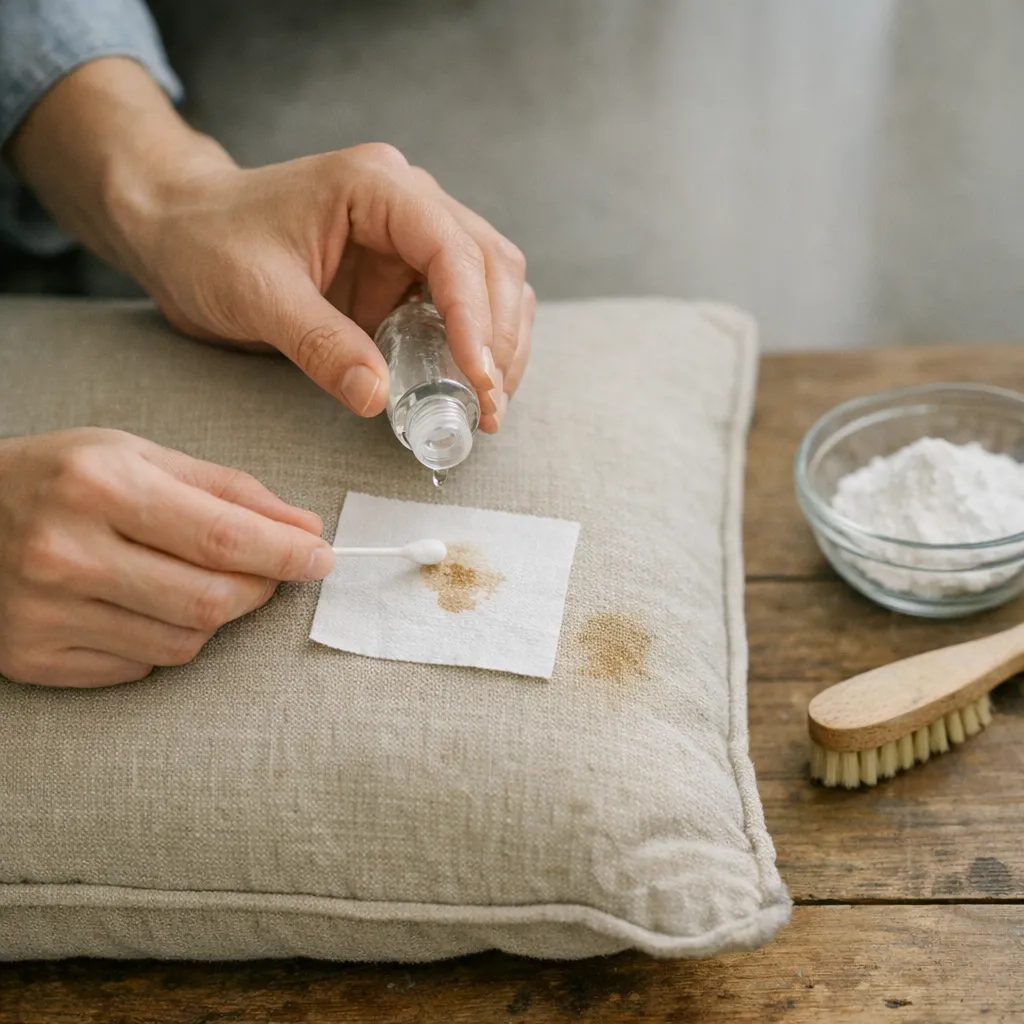
Getting the right supplies and understanding your fabrics before you treat sweat stains helps protect colors, avoid setting stains, and speed up results. By checking care labels, patch-testing, and gathering gentle cleaners, you reduce the risk of damage and prevent repeated treatments. This upfront prep keeps the process efficient and friendly to common shirt fabrics like cotton, blends, and light synthetics, ensuring safer, more predictable outcomes.
Before you start, make sure you have:
- Read the garment care label to identify fabric type and any cleaning restrictions.
- Patch-test any treatment on a hidden seam or inconspicuous area.
- Gather gentle pre-treatments such as white vinegar, baking soda, aspirin, and a mild detergent.
- Prepare clean water and a basin for pre-treatment and soaking.
- Have a timer to manage soak times (about 20 minutes to overnight for stubborn stains).
- Keep heat and bleach away, use cold or lukewarm water to avoid setting stains.
- Know whether the fabric is cotton, blends, or synthetics to choose the right method.
- Set up a space to air-dry the garment after treatment and check status before wearing.
To remove Sweat stains on shirts without ruining fabric, start with a patch test and a gentle pre-treatment (white vinegar diluted in water or baking soda paste). For stubborn white cotton stains, an aspirin paste can help. Rinse well, wash on a normal cycle with detergent, and avoid bleach or heat. If the stain remains, repeat the steps while the fabric is still damp. Patch test colored fabrics first, and air-dry after treatment to confirm the stain is gone before wearing.
This is for you if:
- You want to remove sweat stains on shirts without risking fabric damage.
- You’re working with common shirt fabrics (cotton, blends, light synthetics) and want a simple method.
- You prefer to avoid bleach and high heat during stain removal.
- You’re a DIY reader who values patch-testing and gentle pre-treatments.
- You’re dealing with fresh or stubborn stains and want a practical, fabric-first approach.
Verification: confirm safe, stain-free results after treatment
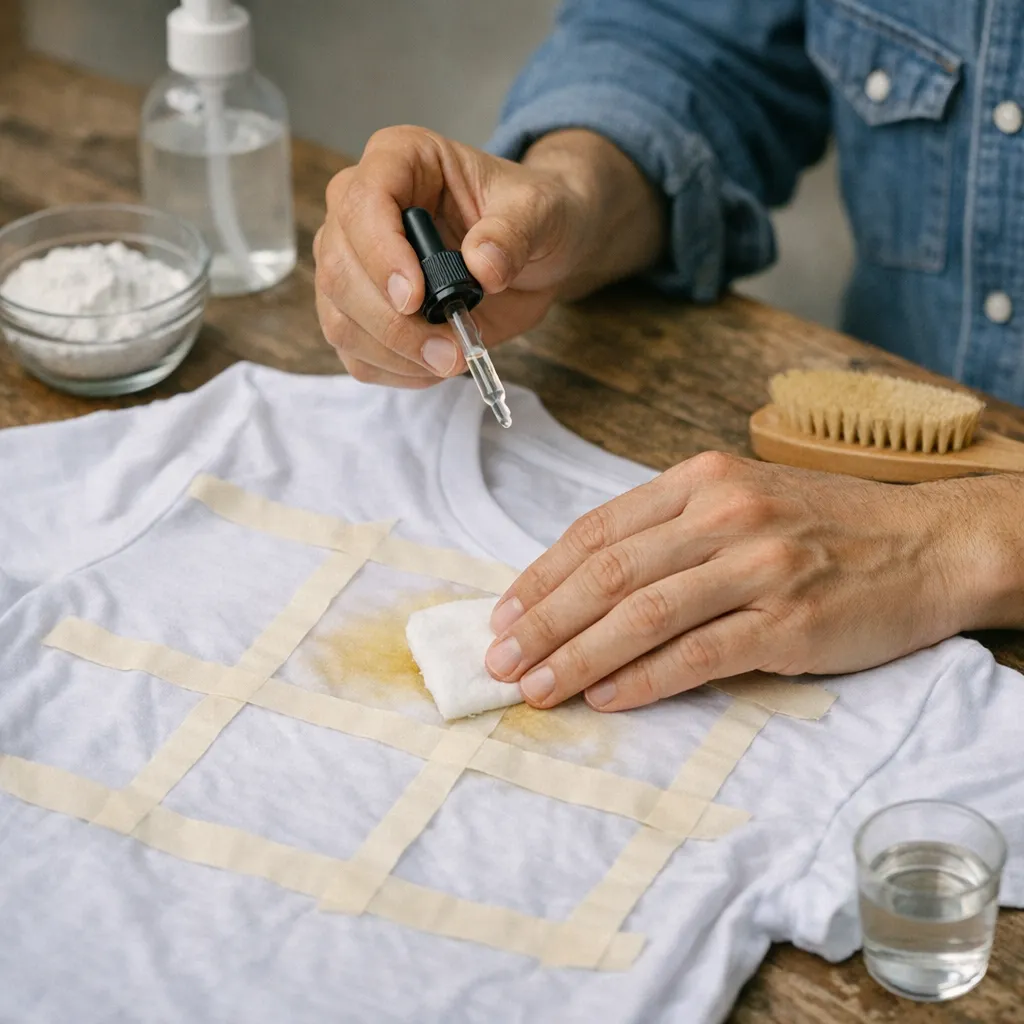
After finishing the treatment and washing, verify success by inspecting the area under bright light. The stain should be visibly lighter or fully removed, with no halo or color shift. The fabric should feel uniform in texture and maintain its original color, with no odors or stiffness. Ensure there is no heat damage or pilling. Let the garment air-dry completely, then recheck. If the stain is still present, repeat the gentle pre-treatment and washing steps while the fabric remains damp. This verification confirms safe, effective results.
- Stain removed or visibly reduced after washing
- Fabric texture remains uniform with no thinning
- Color remains even across treated area
- No bleach smell or residue
- No heat damage or dye changes
- No stiffness or crunchy feeling
- No reappearance of stain after drying
- Odor-free, clean fabric ready for wear
| Checkpoint | What good looks like | How to test | If it fails, try |
|---|---|---|---|
| Post-wash visual check | Stain gone or greatly faded, area looks uniform | Inspect in bright light and compare to surrounding fabric | Repeat the pre-treatment and wash cycle, ensuring proper rinsing |
| Fabric integrity check | No thinning, tearing, or pilling on treated area | Gently run fingers over the fabric, look for changes in texture | Limit handling, consider professional cleaning for delicate fabrics |
| Colorfastness check | Color remains stable with no dye transfer | Check a hidden patch after drying under bright light | Cease aggressive treatments, test a milder method on a hidden area |
| Drying check | Completely dry with no damp patches or heat whitening | Feel the area and observe residual dampness | Extend air-drying time, avoid heat sources until fully dry |
Troubleshooting: practical fixes for recurring sweat stains
When sweat stain removal doesn’t go as planned, identify the specific issue and apply a targeted, fabric‑safe adjustment. This quick guide helps you diagnose common problems, choose the right re‑treatment, and avoid setting stains with heat or harsh chemicals. Use the most suitable pre‑treatment for your fabric, patch‑test first on colored garments, and follow up with a careful wash and air‑dry. The goal is a stain‑free shirt without compromising fiber or color.
-
Symptom:
Stain remains after washing
Why it happens: The stain is stubborn or older, and the pre‑treatment didn’t penetrate fully.
Fix: Re‑treat while the fabric is still damp, try an alternate pre‑treatment, and wash again on a normal cycle with detergent.
-
Symptom:
Stain reappears after drying
Why it happens: Heat from the dryer can set remaining stain, the fabric may still carry residue.
Fix: Air‑dry the garment, re‑treat if needed, and wash again using a cooler, gentler cycle.
-
Symptom:
Color bleed on colored fabric after treatment
Why it happens: Dye in the fabric reacts to the treatment, causing transfer or fading.
Fix: Patch‑test first on a hidden area, if needed, switch to milder method or avoid acidic treatments on that garment.
-
Symptom:
Fabric smells after treatment
Why it happens: Residues from deodorants or cleaners linger in the fibers.
Fix: Rinse thoroughly and run an extra rinse cycle with mild detergent, ensure complete drying.
-
Symptom:
Delicate fabric shows change (silk, wool)
Why it happens: DIY methods can be too harsh for delicate fibers.
Fix: Stop DIY treatments on those fabrics, seek professional cleaning or use only approved, extremely mild methods with patch testing on inconspicuous areas.
-
Symptom:
Stiff or crunchy feel after drying
Why it happens: Residue from pastes or excessive baking soda can leave a film.
Fix: Rinse more thoroughly, run an extra wash with plain water, and avoid over‑application of pastes in future trials.
-
Symptom:
Yellow residue on dark fabrics
Why it happens: Aluminum‑based deodorants or certain stains can leave a yellow cast on dark tones.
Fix: Use aluminum‑free deodorants going forward and patch‑test alternative pre‑treatments before broad application.
-
Symptom:
Stain returns after wearing again
Why it happens: Residual stain particles weren’t fully removed or reactivation occurred with sweat.
Fix: Re‑treat with a damp fabric, ensure complete rinsing, and consider longer pre‑treatments or additional washes before wearing.
People ask next about sweat stains on shirts
- Patch-testing required? Yes. Patch-test on a hidden seam before any treatment to protect colors and fibers.
- What’s the simplest first step? Rinse with lukewarm water to loosen the stain, then choose a gentle pre-treatment like vinegar or a baking soda paste.
- Can I use bleach? No. Bleach can damage fabric and set the stain, especially on colored or delicate fabrics.
- How long should I soak? About 20 minutes, for stubborn stains, overnight, preserving patch-test precautions.
- Are lemon juice or acids safe? For colored fabrics avoid lemon juice, use vinegar instead. White fabrics may tolerate vinegar, but patch-test first.
- Which fabrics need extra care? Delicates like silk or wool require caution or professional cleaning rather than DIY methods.
- How to know it’s removed after washing? Inspect under bright light, if a faint stain remains, re-treat while damp and wash again.
- How can I prevent future stains? Use aluminum-free deodorants, let products dry before dressing, and wash promptly or within 48 hours.
- What if the stain reappears later? Re-treat the garment while it’s still damp and re-wash, avoiding heat that could set it.
Common questions about sweat stains on shirts
Patch-testing required?
Yes. Patch-test on a hidden seam before any treatment to protect colors and fibers. This step helps identify fabric sensitivities and ensures you won’t set or bleach the stain by mistake. Always verify the patch-test area is colorfast and free of distortion before treating the main stain, this small step saves time and avoids ruining the garment.
What’s the simplest first step?
Rinse the stained area with lukewarm water to loosen the residue, this is a quick, non-invasive start. Then choose a gentle pre-treatment like white vinegar diluted in water or a baking soda paste. Apply evenly, avoid scrubbing hard, and let it sit briefly while the stain begins to soften. This sets up the fabric for a safe, effective wash.
Can I use bleach?
No. Bleach can damage fibers and cause color changes, especially on colored shirts. It's not recommended for sweat stain removal and can set stains in some fabrics. Stick to gentler options like vinegar, baking soda, or pre-wash detergents designed for stain removal, and always patch-test on colored fabrics.
How long should I soak?
About 20 minutes for typical stains, but stubborn or older stains may benefit from an overnight soak-still patch-test first and ensure the fabric can tolerate longer contact. Prolonged soaking helps the pre-treatment penetrate the stain, improving the chance of removal without harming fibers when you rinse and wash properly.
Are lemon juice or acids safe?
For colored fabrics, avoid lemon juice and other acidic treatments that can weaken dye stability. Use vinegar instead, patch-testing first on a hidden area. White fabrics may tolerate vinegar, but test first to avoid any unintended changes in color or texture. This reduces risk while still addressing the stain.
Which fabrics need extra care?
Delicates like silk or wool require extra caution, as DIY stain methods can damage fibers. For these fabrics, opt for the mildest approach or seek professional cleaning. For cotton, blends, and lightweight synthetics, standard pre-treatments with patch-testing are usually safe when done gently and followed by a normal wash.
How to know it’s removed after washing?
After washing, inspect the treated area under bright light for any residual staining. If a faint mark remains, re-treat while the fabric is damp and run a subsequent wash. The goal is a stain-free shirt without leaving texture changes or color halos, ensuring the garment is ready for wear.
How can I prevent future stains?
Use aluminum-free deodorants, let products dry before dressing, and wash shirts promptly after wear. Avoid applying antiperspirant directly on damp skin and consider pre-treating before storage. Taking these steps reduces the chance of future yellow stains and keeps shirts looking fresh longer.
What if the stain reappears later?
Re-treat the garment while it’s still damp and re-wash, avoiding heat that could set the stain. If repeated attempts fail, consider professional cleaning for delicate fabrics, and reassess deodorant choice and application to prevent future recurrence.