
You will adopt a simple three layer system for Israel in between seasons: a base moisture wicking layer, a lightweight mid layer, and a weather resistant outer layer. Start by reviewing a forecast that covers coastal inland and desert conditions, then choose pieces that mix and match. Pick a snug breathable base layer that wicks moisture and fits freely, then add a mid layer that can be shed or added as temperatures shift. Top with a windproof and water resistant shell that vents well. Throughout your day you will adjust by adding or removing the mid layer or outer layer to stay comfortable during city walks, temple visits, beach strolls, or desert excursions. Practice pairing outfits before you travel and keep modest options ready for sacred sites. The simplest path is base then mid then outer, adapting as needed.
This is for you if:
- You are planning travel to Israel across coastal, urban, and desert regions.
- You want a practical layering system that adapts to day and night temperature shifts.
- You need to respect modesty rules at religious sites while staying comfortable.
- You prefer mix and match pieces that minimize packing and maximize versatility.
- You want a simple repeatable method you can apply on the ground without overthinking.
What you need to prepare before layering for Israel’s in-between seasons
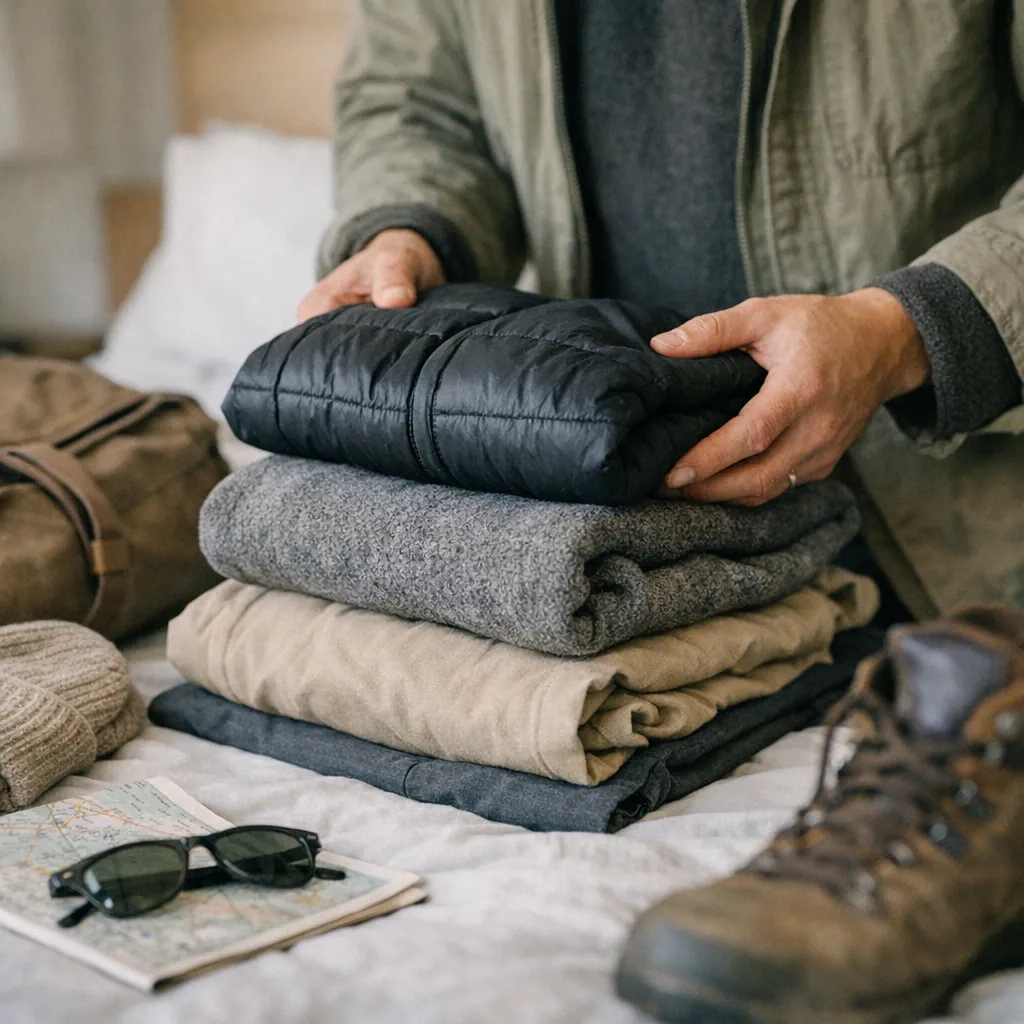
Prerequisites matter because they ensure you can react to rapid changes in temperature, humidity, and activity demands across coast, city, and desert. Having the right base pieces, a compact pack, and modest options ready lets you stay comfortable, dress respectfully, and transition smoothly through day trips, temple visits, and evening outings.
Before you start, make sure you have:
- A forecast that covers coastal inland and desert conditions
- A compact, versatile wardrobe following LESH principles (mix and match)
- Lightweight fabrics that dry quickly and resist wrinkles
- Modest clothing options suitable for sacred sites
- Comfortable walking shoes suitable for long days
- A daypack plus easily adjustable layers
- A plan for evening use of lighter layers for cooler temps
- Sun protection gear including hat, sunglasses, and SPF sunscreen
- Moisture-wicking base layers for comfort across seasons
- A windproof/water resistant outer layer with good ventilation
- Optionally a lightweight mid layer that can be added or shed
- Compact scarf or accessory for modesty at religious sites
- Water bottle and hydration strategy for desert conditions
- Electrical adapters compatible with Israel’s plugs (type H or C)
Execute a dynamic layering plan for Israel's in between seasons
This step by step procedure helps you build a flexible wardrobe that adapts from coast to desert with ease. You will start with a breathable base, add a light mid layer you can shed or wear, and finish with a weather resistant outer shell. By checking forecasts for coastal inland and desert areas you can assemble outfits that mix and match for city walks temples visits beach time and desert excursions. Practice the combinations before travel and keep modest options ready for sacred sites to remain comfortable and respectful throughout your trip.
-
Check forecast and region
Review the forecast for coast inland and desert, noting day to night temperature shifts. Consider planned activities and walking time to set layering needs. Decide how you will adjust by swapping or removing layers as conditions change.
How to verify: Confirm you have a plan to adapt layers based on conditions.
Common fail: Relying on a single outfit across diverse climates.
-
Prepare base layer
Choose a snug breathable top and bottom that wick moisture. Ensure the fabric dries quickly and stays comfortable during movement. Pick pieces that can stay on through varying temperatures.
How to verify: Base layer fits well and feels dry after light activity.
Common fail: Choosing bulky or non moisture-wicking fabrics.
-
Add mid layer
Select a lightweight fleece or synthetic jacket that is easy to remove. Ensure it slides on over the base without bulk. Keep it within reach for cooler moments in the day.
How to verify: Mid layer can be added or shed without restricting movement.
Common fail: Mid layer too tight or too bulky to remove quickly.
-
Add outer layer
Put on a wind and light rain shell with good ventilation. Check that it zips smoothly and vents moisture. The outer layer should protect against wind while allowing breathability.
How to verify: Outer layer blocks wind and light rain while staying breathable.
Common fail: Outer layer leaks or traps heat.
-
Layer for heat management during activity
Plan to stay lighter during high exertion and keep a warmer option for cooler moments. Swap or remove layers as your body heats or cools. Maintain freedom of movement at all times.
How to verify: Temperature stays comfortable during a simulated activity burst.
Common fail: Overlapping layers that cause overheating during activity.
-
Plan evenings
Keep a compact jacket or scarf for cooler evening temperatures. Choose colors and fabrics that pair with daytime outfits. Include modest coverage options for sacred sites.
How to verify: You can add warmth without bulk and maintain modesty when needed.
Common fail: Arriving overdressed or underdressed for evening temps.
-
Pack versatile pieces
Choose items that mix and match across outfits to maximize options. Aim for a small capsule wardrobe that covers city and outdoor activities. Keep your packing light and efficient.
How to verify: You can assemble 3 to 4 complete looks from a small set of pieces.
Common fail: Carrying too many similar items or bulky fabrics.
-
Test the outfit
Do a practice day that mirrors a typical itinerary. Walk a decent distance to check comfort and range of motion. If desert activity is planned, plan for a water supply of at least three liters. Source Then adjust layers based on this test to ensure modesty and sun protection are preserved.
How to verify: The test confirms comfort across activities and temperatures.
Common fail: Failing to test outfits before travel leading to discomfort on day one.
Verification: Confirm Comfort Across Coast to Desert With Layering
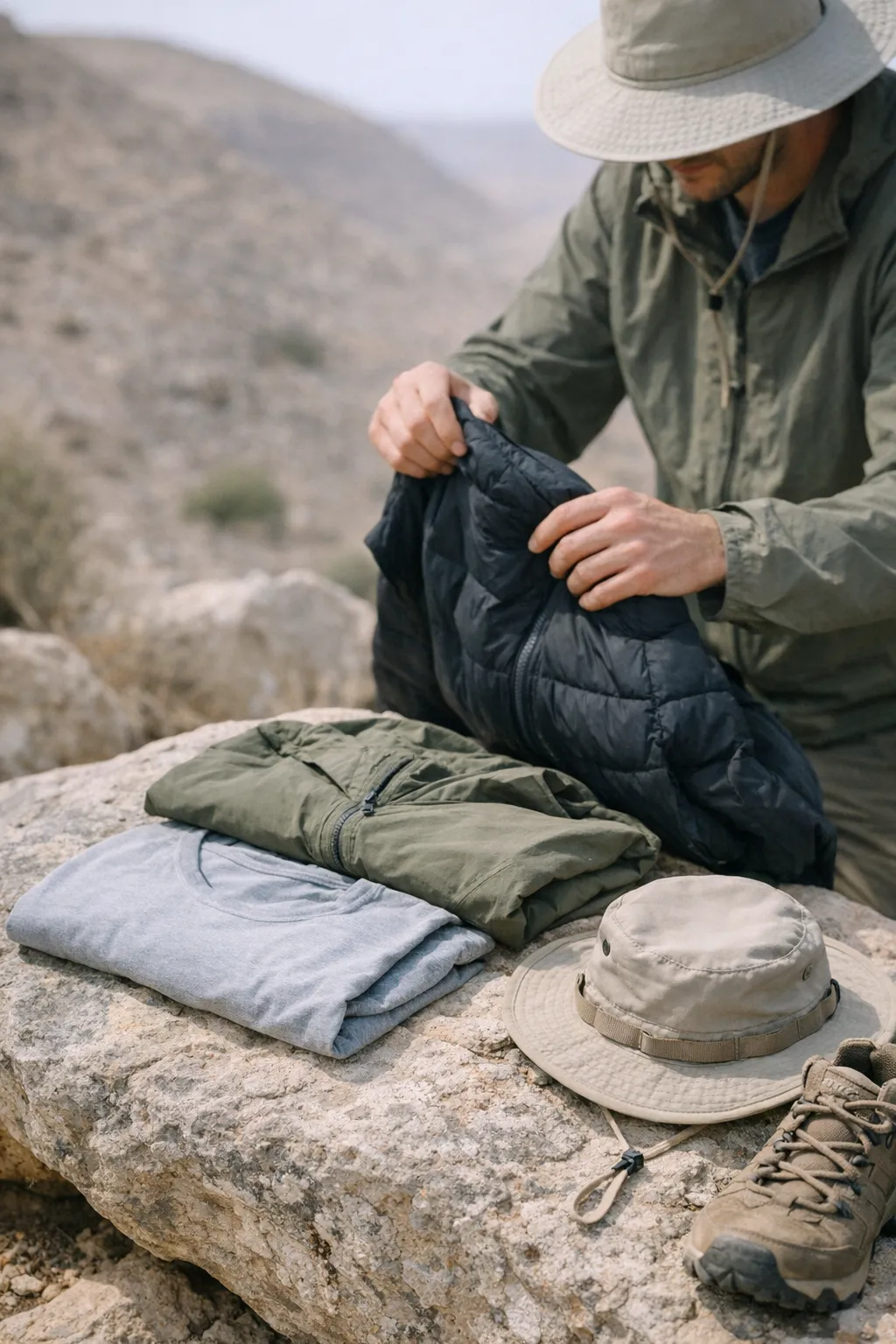
Verification ensures your layering plan keeps you comfortable as you move from coast to desert. It emphasizes testing real conditions, not just theory. You verify by wearing your base layer, mid layer, and outer shell on a representative day, then adjusting for temperature changes wind and any light rain. You check moisture management movement modest coverage and quick transitions between activities. When you can fulfill the day with suitable warmth breathability and modesty your setup is ready for travel.
- Base layer fits snug and wicks moisture
- Mid layer can be added or shed easily
- Outer layer blocks wind and light rain with ventilation
- Transitions between activities are smooth
- Modesty requirements for sacred sites are met
- Footwear supports long days of walking
- Sun protection is accessible within the outfit
| Checkpoint | What good looks like | How to test | If it fails, try |
|---|---|---|---|
| Check forecast and region | Forecast shows coastal inland and desert expectations | Match planned layers to forecast and planned activities | Update forecast review and adjust layers accordingly |
| Prepare base layer | Base layer is snug and moisture wicking | Perform light movement to ensure dryness and comfort | Switch to a more breathable fabric if dampness persists |
| Add mid layer | Mid layer adds warmth without bulk | Put on and remove quickly during a short test walk | Choose a lighter or more flexible fleece |
| Add outer layer | Outer layer shields wind and rain while venting | Vent and zip checks during a light breeze | Move to a more breathable shell if overheating |
| Layer for heat management during activity | Ability to stay warm or cool as effort changes | Simulate a faster pace then slow down to test transitions | Reorder layers or swap materials for better airflow |
| Plan evenings | Evening warmth without bulk, modest coverage ready | Try wearing a scarf or light jacket during a cool-down | Use a lighter shawl or wrap for easier packing |
| Pack versatile pieces | Outfits mix and match for different settings | Create multiple looks from a small set | Replace duplicates with more adaptable fabrics |
| Test the outfit | One day of varied activities feels comfortable | Complete a practice itinerary mirroring travel days | Reassess pieces and adjust layering strategy |
Troubleshooting layering issues on Israel’s in-between seasons
When a layering plan meets real conditions you need fast actionable fixes. This troubleshooting guide helps you identify common problems you’ll encounter moving from coast to city to desert and shows how to adjust quickly so you stay comfortable respectful and ready for changing weather and activities.
-
Symptom:
Damp base layer after light activity
Why it happens: Humidity and limited airflow prevent quick drying, leaving fabric feeling clingy.
Fix: Unzip the outer layer to vent, move to a breezier spot, and swap to a drier base layer if needed.
-
Symptom:
Overheating during moderate activity
Why it happens: Too many layers or a bulky mid layer traps heat and restricts airflow.
Fix: Remove the mid layer and open the outer layer vents, switch to a lighter fleece if cooling continues.
-
Symptom:
Outer layer fails to block wind or rain
Why it happens: The jacket may not be windproof or waterproof enough for the forecast.
Fix: Choose a windproof breathable shell or add a Gore-TEX option and ensure cuffs and zippers seal well.
-
Symptom:
Modesty coverage shifts during movement
Why it happens: Layers ride up or shift as you bend and walk.
Fix: Use a longer base layer with leggings, and keep a lightweight scarf handy for quick coverage at sites.
-
Symptom:
Mid layer is hard to remove quickly
Why it happens: Bulky fleece or a stiff zipper slows a fast adjustment.
Fix: Choose a lighter slim fleece or vest and keep it accessible for easy shedding.
-
Symptom:
Footwear discomfort after long walking
Why it happens: Inadequate support or socks that trap moisture cause hotspots.
Fix: Switch to supportive walking shoes and moisture-wicking socks, use blister prevention strategies if needed.
-
Symptom:
Desert sun protection inadequate
Why it happens: SPF alone isn’t enough when heat and glare are intense.
Fix: Add UPF clothing, a wide brim hat, and reapply sunscreen, carry water and consider a breathable sun scarf for neck coverage Source .
-
Symptom:
Morning cool temps catch you off guard
Why it happens: Night temperatures drop and the day warms later than expected.
Fix: Pack a compact scarf or light jacket in your daypack and wear a thin base layer that can stay on during variable mornings.
Common questions about layering for Israel's in-between seasons
- How should I start layering for Israel's in-between seasons? Begin with a snug moisture‑wicking base layer, add a lightweight mid layer you can shed, then top with a windproof outer shell. Review a forecast that covers coast inland and desert and adjust as conditions change.
- What base layer materials work best in mixed climates? Look for breathable moisture‑wicking fabrics like synthetic blends designed for active wear, avoid non‑wicking cotton to prevent dampness.
- How can I prevent overheating during daytime sightseeing? Remove the mid layer when needed, open outer layer vents, and choose lighter fabrics while staying hydrated.
- What outer layer is best for variable coastal desert weather? Choose a windproof, water‑resistant shell with good ventilation, consider Gore‑Tex or similar options for rain protection.
- How do I stay modest at sacred sites without sacrificing comfort? Pack a lightweight scarf or shawl, ensure base layers and sleeves provide coverage, and select bottoms that meet modesty norms.
- How can I quickly adjust layers during a day with shifting temps? Keep the mid layer accessible and use zippers and vents to regulate heat, plan a simple on/off sequence based on activity level.
- How should I plan packing to maximize mix‑and‑match outfits? Build a small capsule wardrobe with versatile pieces that pair across activities and settings to minimize bulk.
- What should I do about evenings and cooler nights? Bring a compact jacket or scarf that can slip over daytime layers without bulk and adapt to cooler temps.
Common questions about layering for Israel's in-between seasons
-
How should I start layering for Israel's in-between seasons?
Begin with a simple three-layer approach tailored to Israel’s mixed climates. Start with a snug moisture-wicking base layer that sits close to the skin, then add a lightweight mid layer you can easily shed, and finish with a weather resistant outer shell to block wind and light rain. Check a forecast covering coast inland and desert conditions, then adapt as conditions shift through the day. Keep ready modest options for sacred sites and dress respectfully while remaining comfortable.
-
What base layer materials work best in mixed climates?
In mixed climates the base layer should be breathable and purposes-built for activity. Choose synthetic blends or performance fabrics that wick moisture away from the skin, dry quickly, and maintain shape with movement. Avoid cotton which traps sweat and can chill you on cooler mornings. Look for labels like Nike Dri-FIT or Therma-FIT style fabrics and ensure a snug yet comfortable fit to minimize bulk under a mid layer.
-
How can I prevent overheating during daytime sightseeing?
To prevent overheating while sightseeing, pace yourself and tailor layers to activity level. Start with a light setup and shed the mid layer as you warm, then vent the outer layer to increase airflow. Choose breathable fabrics and moisture-wicking base layers, take regular shade breaks, and hydrate often. Reassess every few hours as sun angle and shade availability change, adjusting layers before heat builds.
-
What outer layer is best for variable coastal desert weather?
Choose an outer layer that blocks wind and light rain yet breathes well. A windproof water resistant shell with ventilation zips is ideal for shifting coastal and desert conditions. For heavier rain or humidity, a Gore-Tex or similar breathable waterproof option adds protection without trapping heat. Ensure cuffs and hems seal properly to minimize drafts and consider a hood or adjustable collar for quick weather changes.
-
How do I stay modest at sacred sites without sacrificing comfort?
Respect sacred sites by choosing outfits that cover shoulders and knees while staying breathable. Pack a lightweight scarf or shawl for quick coverage when needed, and select tops with sleeves and bottoms that reach at least ankle or full-length. Opt for loose but not baggy silhouettes to maintain modesty without restricting movement. Practise layering that allows you to add or remove coverage swiftly during visits.
-
How can I quickly adjust layers during a day with shifting temps?
Keep the mid layer easily accessible and use outer layer vents to regulate airflow. Create a simple on-off routine based on activity and sun exposure: remove the mid layer as temps rise and re-seat it as shade or breeze returns. Practice transitions on a short walk before travel, so you can tweak quickly during real itineraries without losing warmth or mobility.
-
How should I plan packing to maximize mix-and-match outfits?
Plan a compact capsule wardrobe built around versatile, coordinating pieces. Select a few base layers, one mid layer, and one outer layer in colors that pair with shorts pants skirts and dresses. Opt for breathable fabrics that layer well and resist wrinkles. Choose items that can be worn in city streets sacred sites beaches and desert hikes. This approach minimizes bulk while expanding outfit possibilities.
-
What should I do about evenings and cooler nights?
Evenings in Israel can drop in temperature, especially inland and in the desert. Pack a compact lightweight jacket or wrap that layers over daytime outfits without bulk and still respects modesty. Carry a small scarf for quick extra warmth during seating or night walks. Reassess forecast regularly and adjust layers accordingly to stay comfortable without overheating while still looking polished.