
To choose men's shorts by your body type, start by identifying your silhouette with simple measurements: shoulders, waist, and hips. From there pick an inseam you’ll test: 5, 7, 9, or 11 inches, and aim for the hem about 1–3 inches above the knee. Choose a fit that matches your frame, typically a tailored cut for athletic or rectangular shapes and a relaxed cut for triangular or oval builds. Check fabric and waistband for comfort and stretch, then test movement-walk, sit, and bend-to confirm there are no pinches or restricted motion. Review pocket styles and details for bulk, then compare 2–3 versatile options in neutral colors and select the best-balanced pair that works with your wardrobe and activities. This practical approach makes finding the right shorts quick and repeatable, so you can wear them confidently all season.
This is for you if:
- You want a measurements-based method to determine your body type and best shorts
- You’re unsure which inseam or fit flatters your silhouette
- You wear shorts for multiple activities and need a versatile, balanced option
- You know your silhouette includes rectangular, triangular, inverted-triangle, oval, or trapezoid
- You value comfort, breathability, and stretch in waistband and fabric
- You prefer testing 2–3 options before finalizing a purchase
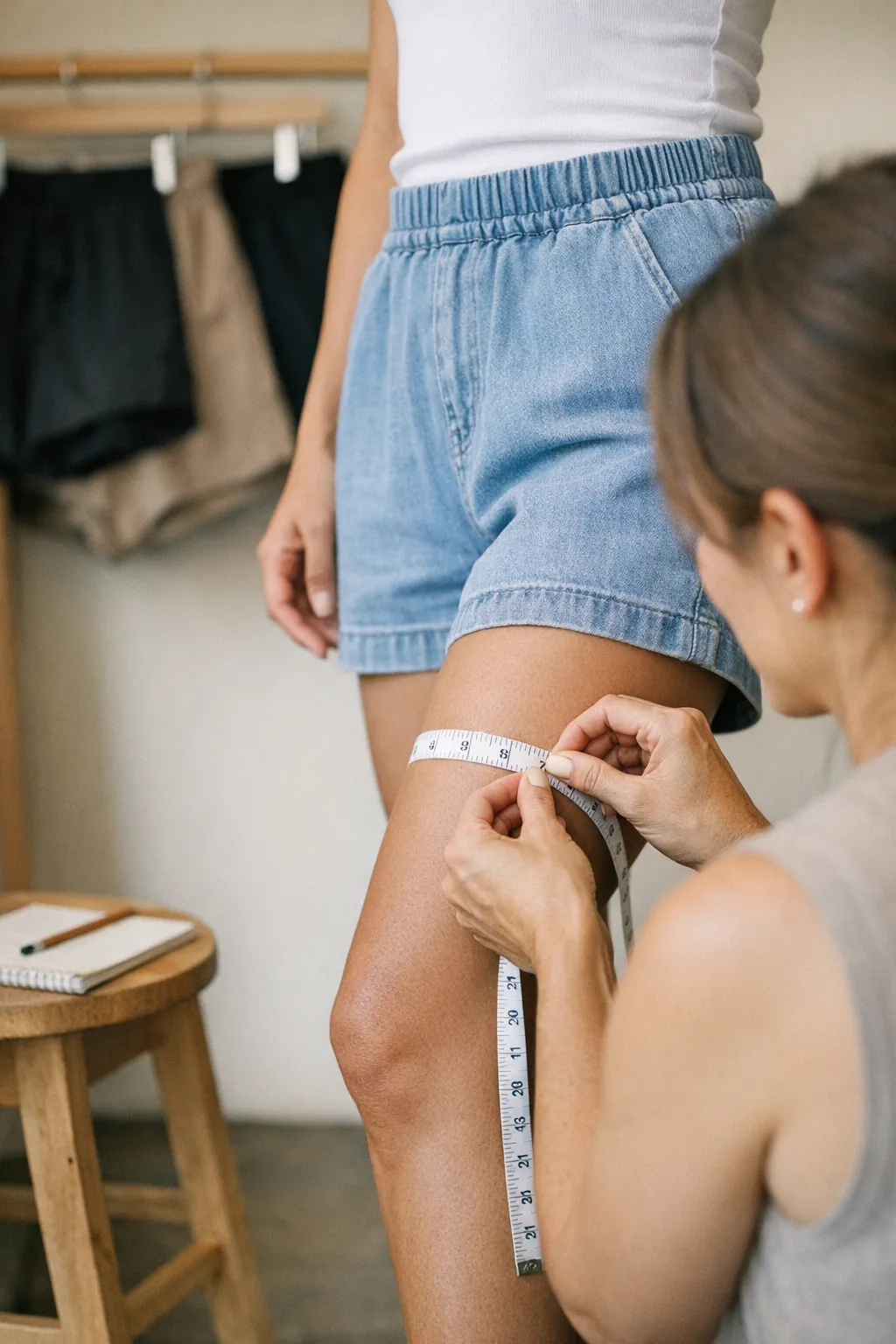
Prerequisites before choosing shorts by body type
Prerequisites matter because they establish a repeatable, data‑driven path to the right shorts. With clear measurements, you’ll identify your body type accurately, pick the correct inseams, and test fits for real movement. Having a mirror, a few inseams, and a simple note system helps you compare options quickly while avoiding returns. This prep reduces guesswork, speeds decision‑making, and ensures you can confidently shop for shorts that balance proportion, comfort, and versatility across activities.
Before you start, make sure you have:
- A tape measure for shoulder, waist, and hip measurements
- A full-length mirror to evaluate fit from all angles
- Access to multiple inseams (5", 7", 9", 11") and at least two fits (tailored and relaxed)
- Knowledge or a method to determine your body type (rectangular, triangle, inverted triangle, oval, trapezoid)
- A plan to try shorts across activities (gym, casual, travel) to test practicality
- Neutral color options (navy, grey, khaki) and an olive option for variety
- Comfortable clothing and a quiet space for trying on
- A notebook or device to track measurements and impressions
- A method to test movement: walk, sit, bend, include a pinch test for width
- Access to a size guide to verify fit across brands
- Space to compare options side-by-side, in-store or at home
- Patience to evaluate 2–3 solid options before deciding
Take Action: Choose Shorts by Your Body Type
This step-by-step procedure sets you up to identify your body type, select suitable inseams and fits, and evaluate fabric and pockets for real-world comfort. You’ll move from precise measurements to tested options, then finalize a balanced pair that suits your activities and wardrobe. Expect focused time spent measuring, trying on, and comparing a small set of options to minimize guesswork and maximize confidence in your final choice.
-
Identify Body Type
Measure shoulders, waist, and hips to establish your frame. Compare the measurements to common body-type profiles: rectangular, triangle, inverted triangle, oval, and trapezoid. Identify which profile matches most closely. Use measurements rather than guesswork to determine your starting point.
How to verify: You can accurately classify your body type based on measurements.
Common fail: Relying on visuals alone can misclassify.
-
Determine Inseams
List inseam options you have available to test: 5", 7", 9", and 11". Plan to try two to three inseams at first and adjust the hem accordingly. Consider your height and proportions when selecting a starting point. Aim for a hem that sits about 1–3 inches above the knee for balanced proportions.
How to verify: Hem position aligns with knee height and your height proportion.
Common fail: Selecting every inseam category without testing how it looks on you.
-
Choose Fit
Pick a silhouette that matches your body type and how you plan to wear them. A tailored cut can suit rectangular or athletic builds, while a relaxed cut may balance triangle or oval shapes. Consider the activity level and daily wear to guide the choice.
How to verify: The silhouette mirrors your body proportions and allows comfortable movement.
Common fail: Forcing a single fit across all body types without testing real mobility.
-
Select Fabric and Waistband
Assess fabric breathability, stretch, and weight. Choose a waistband option that provides support and comfort, such as a small amount of stretch or an adjustable closure. Align fabric with climate and activity to maintain comfort throughout the day.
How to verify: Fabric drapes well and waistband stays in place during movement.
Common fail: Choosing rigid fabrics or non-adjustable waists that dig or ride up.
-
Check Pockets and Detailing
Inspect pocket styling for bulk and function. Favor clean lines and minimal detailing that won’t add unwanted volume or snag during activity.
How to verify: Pockets sit flat and access is comfortable without pulling the fabric.
Common fail: Bulky pockets that alter silhouette or catch on clothing.
-
Test Movement and Width
Walk, sit, and bend to simulate daily use. Use a pinch test to gauge fabric width and ensure there’s enough mobility without excess looseness.
How to verify: Full range of motion without pinching or sagging.
Common fail: Shorts that feel stiff or slide down when moving.
-
Rank and Finalize
Compare 2–3 strong options across fit, fabric, and versatility. Choose the pair that offers the best balance of comfort, style, and practicality for your typical days.
How to verify: You can justify the final pick based on how well it integrates with your wardrobe and activities.
Common fail: Dropping options based on appearance alone without testing in motion.
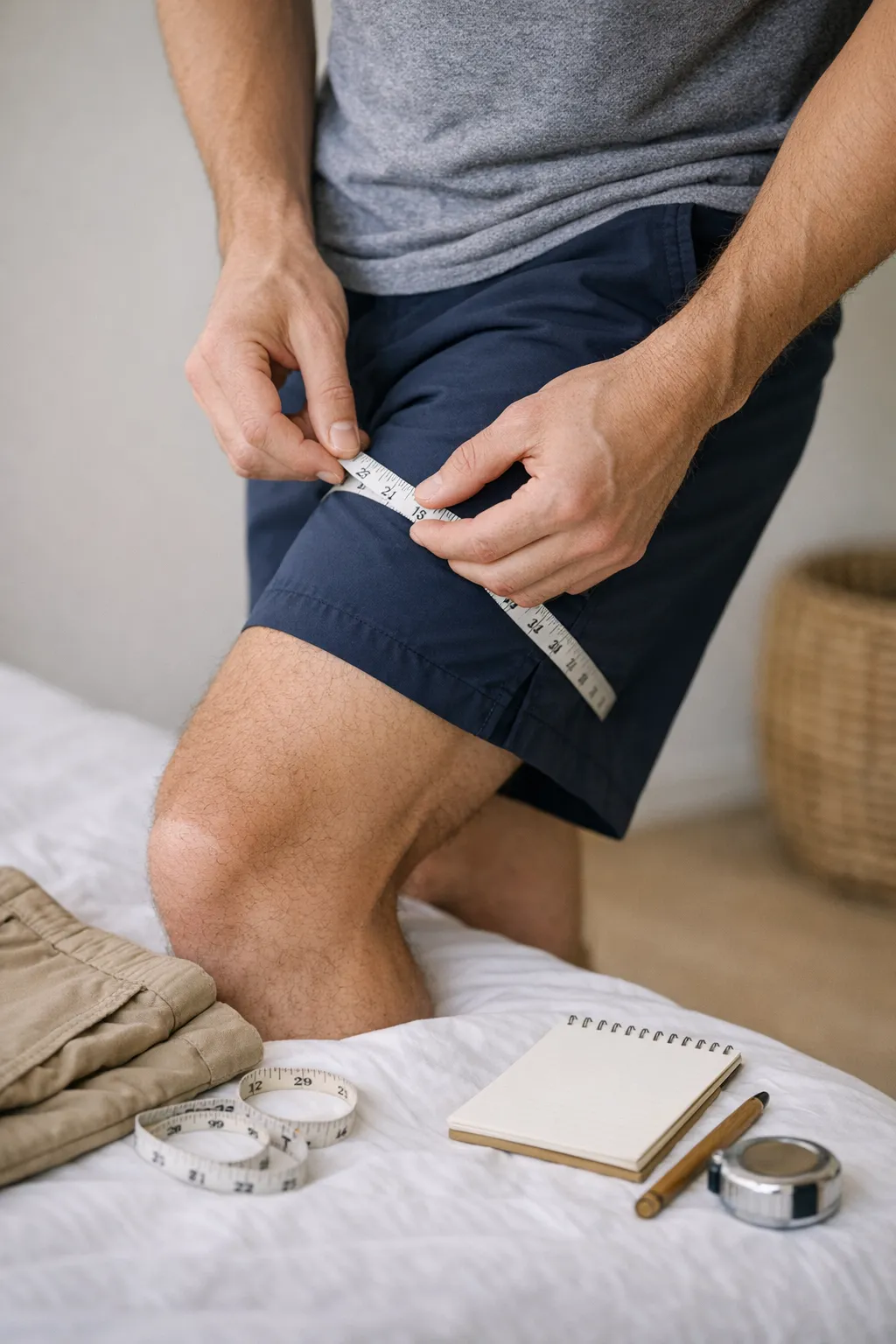
Verification: confirm your shorts fit aligns with your body type
Use a structured checklist to validate that your chosen shorts truly complement your body type. Verification happens through precise measurements, movement testing, and wardrobe compatibility checks. By confirming fit, inseam length, fabric comfort, and silhouette, you ensure the final pair supports daily wear and varied activities without constant adjustments. This verification step turns guesswork into a repeatable process, helping you select shorts that feel balanced, breathable, and confidently you.
- Body type alignment is confirmed with measurements and profiles
- Inseam and hem position are validated for knee clearance
- Fit allows full range of motion during daily activities
- Fabric breathability and waistband comfort are verified
- Pockets and detailing do not bulk the silhouette
- Final option pairs well with existing wardrobe pieces
- Two to three strong contenders are compared for balance
- You can articulate why the final pick works for you
| Checkpoint | What good looks like | How to test | If it fails, try |
|---|---|---|---|
| Body type alignment | Measurements map to a clear body-type profile | Cross-check against rectangular, triangle, inverted triangle, oval, or trapezoid | Re-measure and reassess body-type category |
| Inseam/hem validation | Hem sits above the knee with comfortable knee clearance | Wear and perform walking, sitting, and bending | Try a different inseam option |
| Fit and mobility | Tailored or relaxed silhouette supports movement without pulling | Move through typical motions and test for tugging or restrictiveness | Switch to another fit that matches your activity |
| Fabric and waistband | Breathable fabric with a comfortable waistband | Sit, stand, and move for extended periods | Choose a lighter or more stretchable fabric or adjust waistband style |
| Bulk-free silhouette | Pockets and detailing do not add visual bulk | Assess pockets while moving and posing | Opt for minimal detailing or reposition pockets |
| Wardrobe compatibility | Final pick pairs with a wide range of tops and shoes | Create multiple outfit mockups and test with common looks | Choose neutrals or versatile colors for easier pairing |
Troubleshooting: fix common fit issues when choosing shorts by body type
When testing shorts against your body type, you may encounter stubborn fit quirks. This quick troubleshooting guide targets practical symptoms, explains why they happen, and offers actionable fixes you can apply right away. Use it as a reference during trials to refine inseam, fit, fabric, and silhouette, ensuring the final pair feels balanced, comfortable, and ready for your everyday activities.
-
Symptom:
Hem sits too high or too low.
Why it happens: The inseam or overall height proportion isn’t aligned with your frame.
Fix: Try a different inseam option (5", 7", 9", or 11") and recheck that the hem sits about 1–3 inches above the knee, test by walking and sitting.
-
Symptom:
Short feels tight around the thighs or pinches.
Why it happens: Leg opening or overall cut is too narrow for your body type.
Fix: Move to a looser or tailored cut with a larger leg opening, confirm with a quick pinch test and movement checks.
-
Symptom:
Waistband digs in or rides up.
Why it happens: Wrong waistband style or size for your waist measurement.
Fix: Choose a design with an adjustable or elastic waistband, verify waist measurement and consider a size up if needed.
-
Symptom:
Pockets create bulk and alter silhouette.
Why it happens: Bulky pocket design or excessive detailing.
Fix: Select minimalist pocket designs or move to flatter silhouettes, assess silhouette in a mirror while wearing.
-
Symptom:
Inseam not flattering for your height.
Why it happens: Wrong inseam category for your height and proportions.
Fix: For shorter heights, start with shorter inseams, for taller heights, try longer inseams, verify knee clearance with footwear and movement.
-
Symptom:
Fabric is stiff or not breathable.
Why it happens: The weave or blend doesn’t offer enough comfort in warm weather.
Fix: Swap to breathable fabrics with some stretch, test by walking and sitting for a few minutes.
-
Symptom:
Shorts ride up or sag during movement.
Why it happens: Poor balance between waist, hips, and thigh fit, overall silhouette too loose.
Fix: Try a more tailored cut or a size that holds shape, use a belt if appropriate for your chosen style.
-
Symptom:
Wardrobe coordination feels off.
Why it happens: Colors or finishes don’t align with existing tops and shoes.
Fix: Stick to neutrals (navy, grey, khaki) or versatile colors (like olive) and test with multiple tops and footwear to ensure compatibility.
People ask next: Quick answers about choosing shorts by body type
- What body types are considered? The guide references rectangular, triangle, inverted triangle, oval, and trapezoid profiles. Identify yours with measurements rather than guesswork.
- How do I determine my body type accurately? Measure shoulders, waist, and hips, compare to the common profiles. Use measurements rather than visuals to classify.
- What inseam lengths should I test? Test 5", 7", 9", and 11" inseams. Aim for a hem about 1-3 inches above the knee.
- Tailored or relaxed fit: which is better? Choose tailored for rectangular or athletic builds and relaxed for triangular or oval shapes. Test movement to confirm comfort.
- How important is fabric and waistband? Look for breathable fabrics with some stretch, a waistband that stays in place and feels comfortable is essential.
- How can I test movement for comfort? Walk, sit, and bend to check range of motion, perform a pinch test to gauge width and mobility.
- What about pockets-bulky pockets ruin the silhouette? Prefer minimal detailing, ensure pockets don’t bulk the silhouette or snag on clothing.
- How many options should I compare before deciding? Compare 2–3 strong contenders across fit, fabric, and color, choose the best-balanced option for your life.
Common questions about choosing men's shorts by body type
What body types are considered?
Identify your body type by comparing shoulder, waist, and hip measurements to the common profiles: rectangular, triangle, inverted triangle, oval, and trapezoid. Use precise measurements rather than visual guesses to map yourself to the closest category. This measurement-based approach creates a repeatable starting point for selecting inseams and fits that balance proportions and improve comfort in daily and warm-weather activities.
How do I determine my body type accurately?
Take measurements of shoulders, waist, and hips, then compare them to the profile categories. Avoid judging by looks alone, as posture and clothing can alter appearance. When measurements align with a profile, you have a solid starting point for choosing inseams and tests. Use this classification to guide your moves through testing different fits and lengths until you find balance.
What inseam lengths should I test?
Test a range of inseams-5, 7, 9, and 11 inches-so you can compare how each length hits your leg. Start with the inseams that best suit your height, then expand to others to verify proportions in motion. Aim for a hem that sits about 1–3 inches above the knee to maintain balance, comfort, and a full range of movement during daily activities.
Tailored or relaxed fit: which is better?
Choose the fit that aligns with both your body type and how you plan to wear the shorts. A tailored cut suits rectangular or athletic builds by creating clean lines and structure, while a relaxed cut can balance triangle or oval shapes by giving more room through the thigh. Always test movement to confirm comfort and ensure the silhouette looks intentional in real use.
How important is fabric and waistband?
Fabric choice matters for breathability, stretch, and comfort, especially in heat. Look for breathable blends with some stretch so the fabric moves with you. The waistband should stay in place without digging in, options with slight elasticity or adjustability often provide the best balance between support and ease during activity.
How can I test movement for comfort?
Move through typical actions for a full minute: walk, sit, bend, and squat slightly if appropriate. Check for pinching or riding and ensure the fabric drapes smoothly. A quick pinch test can help verify width around the thigh without restricting motion, confirming the silhouette stays balanced as you move.
What about pockets-bulky pockets ruin the silhouette?
Prioritize minimalist pocket designs or discreet pocketing that stays flat when you move. Bulky pockets can add visual bulk and distort the line of the shorts. Check pocket placement while you stand and move, and choose styles with streamlined openings or paired back pockets to preserve a clean silhouette.
How many options should I compare before deciding?
Compare two to three strong contenders that cover the main fits, fabrics, and inseams you tested. Look for the best balance of comfort, proportion, and versatility for your typical days. Avoid letting aesthetics alone drive the choice, validate with real movement, wardrobe compatibility, and long-wearing comfort by wearing them in familiar settings.