
Begin by choosing a small, versatile set of basics that can be mixed and matched across seasons. You will audit your current closet, identify a core LESH inspired capsule built on neutral colors, durable fabrics, and excellent fit, then layer intelligently to handle temperature shifts. The simplest path is to focus on the fit first, pick timeless pieces like white tees, dark denim, a versatile blazer, lightweight outerwear, and quality shoes, and keep color to a cohesive neutral palette. Test outfits in real life, adjust lengths with tailoring, and plan a limited shopping list that prioritizes durability and longevity over trends. Maintain pieces through simple care and periodic refreshes, ensuring every item supports multiple looks while staying seasonless.
This is for you if:
- You want a durable versatile wardrobe built on timeless basics rather than seasonal fads.
- You're looking for a repeatable system that saves time shopping and decision making.
- You value fit and neutral colors as the backbone of every outfit.
- You plan to tailor items to achieve a sharp silhouette.
- You want pieces that mix across work casual and smarter occasions.
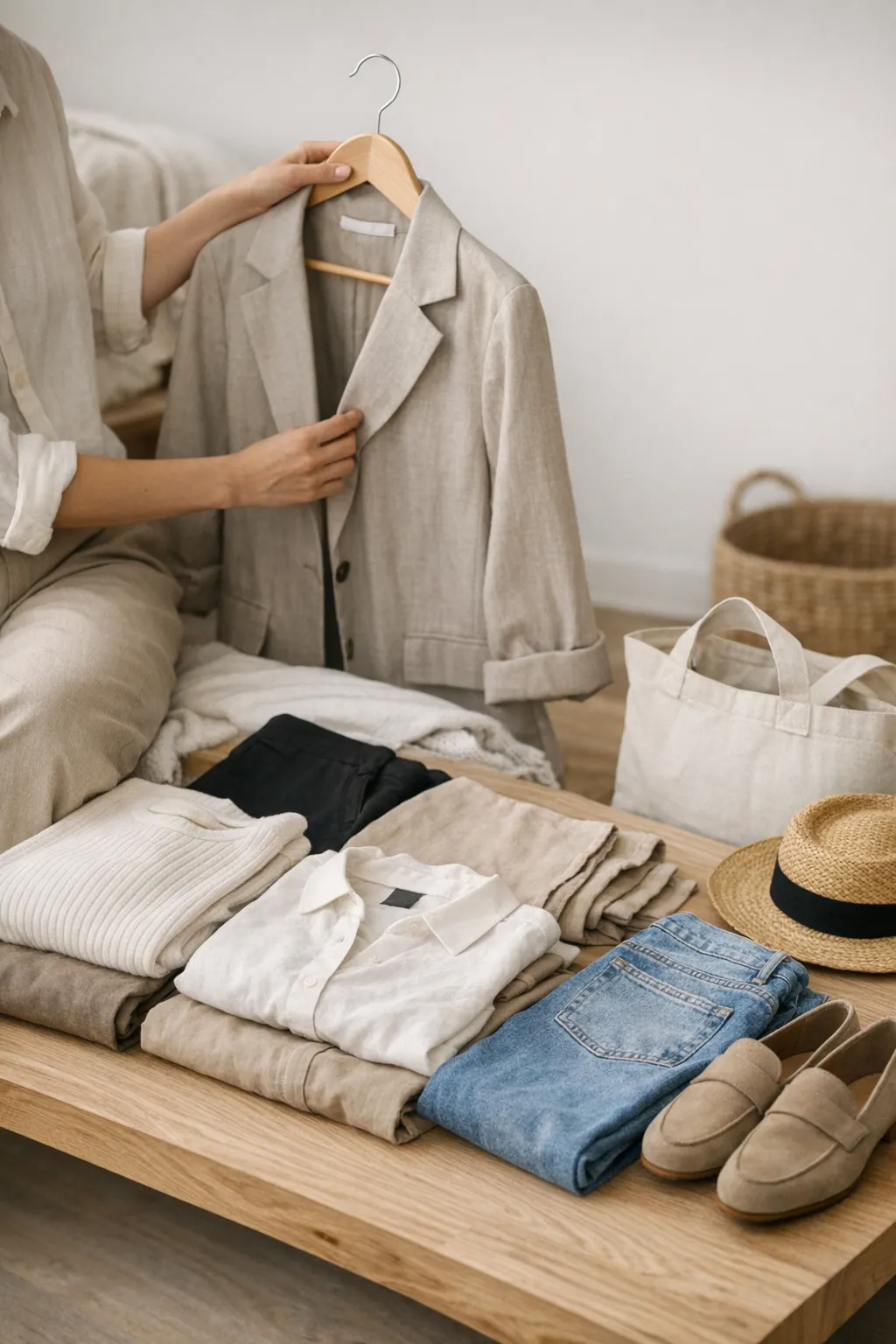
Before you start what you need for seasonless basics
Prerequisites matter because a seasonless basics plan works best when you start with an honest view of what you own where you wear it and how you move. By establishing lighting space for sorting a neutral palette goal and a plan for fit and care you set up a reliable foundation. This ensures every new piece integrates smoothly and stays looking sharp year after year rather than becoming clutter.
Before you start, make sure you have:
- A space to sort your wardrobe with bright even lighting
- A clear neutral palette goal including black white navy and earth tones
- A climate profile to guide fabric weight and layering
- A mirror and measuring tape for quick on body checks
- Willingness to tailor or adjust lengths for proper proportions
- A basic understanding of the LESH Essentials approach to fit layering and quality
- A simple care routine and access to basic cleaning tools
- A modest budget plan for core items and a plan to upgrade over time
- A small list of trusted retailers or brands you know and can try
- A method to track outfits and progress such as a notebook or app
Take control of seasonless basics step by step
This procedure guides you through building a durable versatile wardrobe using a compact set of essentials. You will assess what you own map items to a seasonless framework and confirm fit quality and layering possibilities. The goal is a streamlined capsule that can mix across occasions and survive changing weather without relying on fleeting trends. By auditing your closet testing combinations and planning care you create a practical path to year round style that remains fresh season after season.
-
Audit closet
Open your closet and lay items out by category. Identify what you actually wear and what sits unused. Note pieces that could function across multiple outfits. Mark obvious gaps in tops bottoms outerwear and footwear.
How to verify: You can list the categories you actually own and identify at least one item that pairs with two others.
Common fail: Filling gaps with trend driven items that won’t endure.
-
Define baseline LESH capsule
Translate your findings into a compact capsule built on neutral colors perfect fit and durable fabrics. Choose a few core pieces as anchors. Ensure versatility across activities. Make sure the capsule covers most days with minimal pieces.
How to verify: Your capsule has clear anchors and can outfit multiple days with mixed pieces.
Common fail: Overstuffing with duplicates or items that don’t complement the palette.
-
Prioritize fit first
Try on every item and assess shoulders chest waist and sleeve length. Note alterations that would improve silhouette. Compare with your best fitting pieces from past wardrobes. Move items that fail to sit correctly to the back of the queue.
How to verify: Each anchor item shows a clean silhouette with comfortable movement.
Common fail: Ignoring tailoring and buying items that never truly fit.
-
Choose neutral palette
Limit your choices to a cohesive set of neutrals and quiet accents. Check undertones to ensure pieces pair easily. Test outfits by mixing light and dark values within the palette. Keep color stories simple and connected.
How to verify: All pieces coordinate visually in multiple outfits without clashing.
Common fail: Selecting too many bold colors that disrupt the base.
-
Assemble compact capsule
Select a small roster of tops bottoms outerwear and shoes that cover daily needs. Group items by layering compatibility. Avoid duplicates that don’t add value. Name anchors so the set remains easy to reassemble.
How to verify: Capsule items mix across at least three outfits without extra pieces.
Common fail: Too many items cluttering the capsule.
-
Test layering for seasons
Experiment with outfits across a range of temperatures using thin knits under lightweight jackets. Confirm comfortable movement and proper bulk. Adjust layers to prevent overheating or bunching. Mark which pieces work best together for easy mornings.
How to verify: Layered looks remain comfortable and balanced in different conditions.
Common fail: Over layering that creates bulk or restricts movement.
-
Vet quality and plan alterations
Inspect fabric weight stitching and finish. Note which items benefit from tailoring for a sharper silhouette. Budget for alterations so anchors sit perfectly. Keep records so you know when to refresh.
How to verify: All anchors fit well with minor adjustments completed or scheduled.
Common fail: Skipping alterations and accepting imperfect fit.
-
Plan shopping and maintenance
Map a sensible shopping plan to fill gaps with durable items. Create a simple care routine to extend life. Schedule periodic refresh to replace worn basics. Keep the palette and fit philosophy in mind for every purchase.
How to verify: You have a realistic plan with a clear calendar for maintenance.
Common fail: Ignoring upkeep and letting items degrade over time.
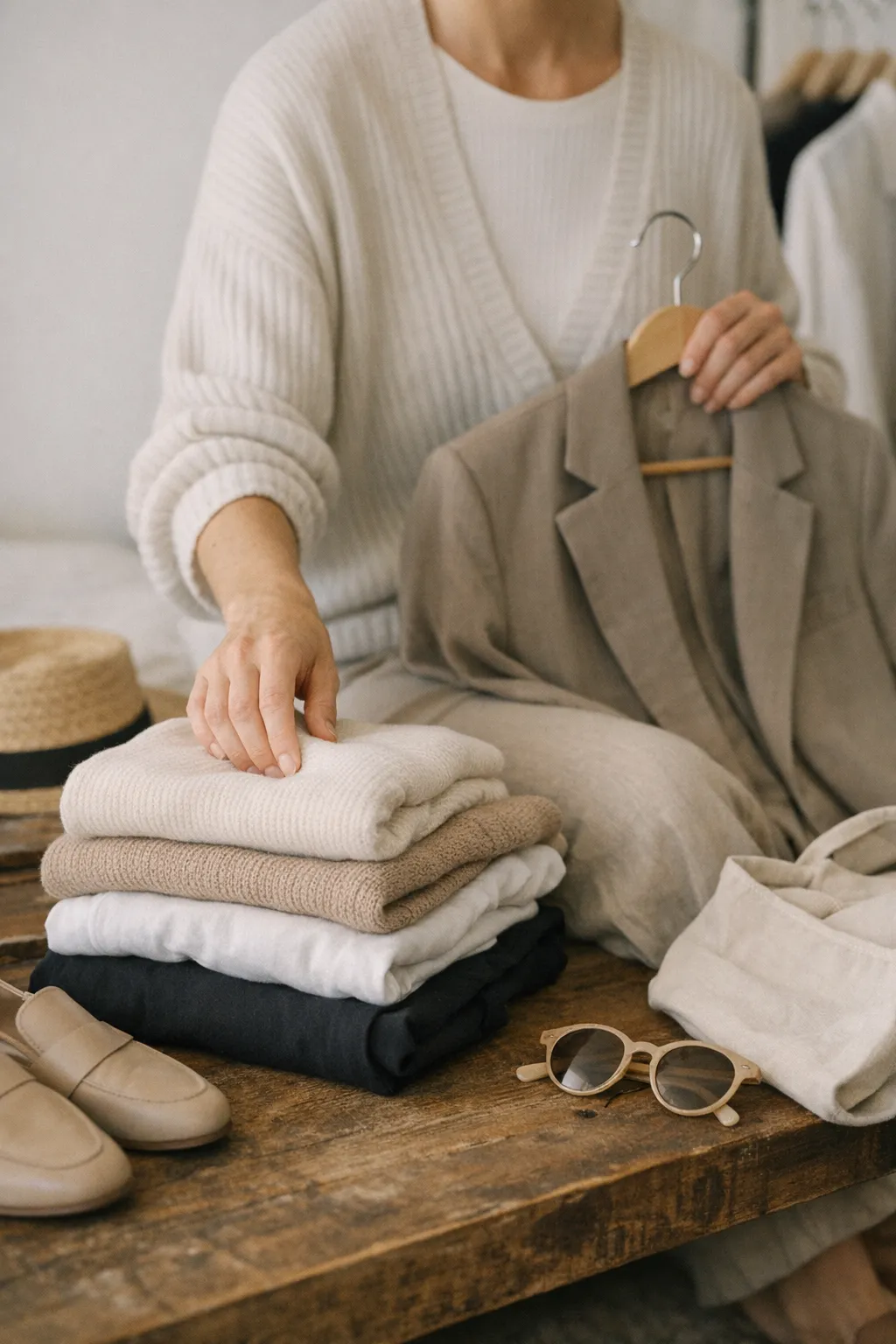
Verification: confirm your seasonless basics are truly lasting
Use real-life testing to confirm your plan holds up beyond the first season. Check that outfits can be created quickly from a compact capsule, that fit remains sharp after wear and laundering, and that layering works across typical weather shifts. Confirm the color story stays cohesive and that you can replace worn pieces without breaking the look. When the capsule delivers multiple complete outfits with minimal effort and clear care routines, you’ve verified a durable foundation.
- Capsule pieces mix across multiple outfits without clashes
- Each item maintains a clean silhouette with comfortable movement
- Palette stays cohesive across different looks
- Layering works smoothly for seasonal transitions
- Fabrics endure washing and regular wear without excessive pilling
- Care routine is simple and repeatable
- Outfits require minimal decision-making and time
- You can replace worn items without disrupting the overall look
- Budget and planning stay aligned with actual purchases
- You can articulate why each piece is seasonless
| Checkpoint | What good looks like | How to test | If it fails, try |
|---|---|---|---|
| Capsule coherence check | Outfits mix three or more capsule pieces without visual clashes | Build three complete looks using only capsule items and verify consistency | Swap in a neutral piece or adjust color balance |
| Anchor fit integrity | Anchors sit cleanly with movement | Move shoulders and torso, sit, bend and reach in each anchor | Tailor or replace pieces that don’t sit properly |
| Layering effectiveness | Layering feels natural and breathable | Simulate a temperature range with layers and adjust as needed | Remove bulky pieces or swap to lighter fabrics |
| Durability and care | Fabric holds shape and color after washing | Inspect items post-wash for pilling fading or shrinkage | Revisit fabric weights or care instructions and adjust |
| Color harmony | Palette reads cohesive and intentional | Pair two outfits and assess overall balance | Rebalance neutrals or adjust accent colors |
| Budget adherence | Spending aligns with plan and planned upgrades | Compare actual purchases to the budget plan | Pause further buys and re-evaluate priorities |
Troubleshooting seasonless basics
If your seasonless basics aren’t lasting or feel off after a season use these quick checks to identify common issues and fix them with practical steps. This guide targets fit fabric care color harmony and layering strategy so each piece continues to mix well across outfits and weather. Apply the fixes maintain a simple care routine and your capsule stays sharp year after year.
-
Symptom:
Palette looks mismatched or clashing
Why it happens: Neutrals with different undertones clash when paired in the same outfit or across layers.
Fix: Audit undertones pick core neutrals with similar warmth and limit accent colors to one shade that harmonizes with all pieces.
-
Symptom:
Fit loosens after washing
Why it happens: Fabric relaxes or items shrink due to care practices and improper sizing.
Fix: Follow care labels wash in cold water and air dry or low heat, schedule tailoring if needed for a consistent silhouette.
-
Symptom:
Layering feels bulky
Why it happens: Outerwear or knits are too heavy for the under layers or the cut is oversized.
Fix: Swap to lighter weight pieces or unlined jackets and tune layers so they sit flat without constricting movement.
-
Symptom:
Fabric pills or wears thin quickly
Why it happens: Low quality fabrics or aggressive washing and abrasion.
Fix: Invest in better fabrics for high use items, rotate pieces, use gentle cycles and fabric shavers to remove pills.
-
Symptom:
Shoes look out of place with outfits
Why it happens: Shoes not cared for or chosen silhouettes don’t align with the capsule.
Fix: Clean and condition leather, rotate footwear, and select versatile silhouettes that span casual to smart looks.
-
Symptom:
Capsule feels disjointed
Why it happens: Too many patterns or textures without a cohesive color plan.
Fix: Rebalance by dialing down patterns and textures, maintain a strict neutral base and introduce one coordinated accent color.
-
Symptom:
Budget spirals with purchases
Why it happens: Purchases driven by impulse or misreading needs rather than a plan.
Fix: Write a shopping plan before buying, prioritize 2–3 high impact pieces, and schedule regular reviews of your progress against budget.
What readers ask next about seasonless basics
- How do I start building a seasonless basics capsule? Start with a closet audit map items to a neutral LESH capsule focus on fit durable fabrics and layering build a small set that can mix into many outfits and test them in real life.
- What are the must have neutral pieces for year round wear? White T shirt dark denim a versatile blazer or structured jacket lightweight outerwear like a Mac or trench chinos neutral knitwear white trainers loafers.
- How can I ensure pieces last beyond a season? Prioritize proper fit choose durable fabrics and follow simple care routines schedule regular tailoring to maintain silhouette.
- How many items should I aim for in a seasonless capsule? About 19 essential pieces across tops bottoms outerwear and shoes ensure they cover daily needs and mix well.
- How should I handle layering for transitional weather? Use a lightweight jacket or unlined layer plus midweight knits layer and remove as temperatures shift.
- How should I shop to avoid waste? Pull 3 trick test multiple sizes and compare quality and price buy essentials first and plan upgrades over time.
- How do I keep color harmony across outfits? Stick to a neutral palette with similar undertones limit accent colors to one coordinating shade and test outfits for cohesion.
- Is tailoring essential for basics? Tailoring improves fit for key pieces like blazer and dress trousers budget for alterations to achieve a sharp silhouette.
Common questions readers have about seasonless basics
- How do I start building a seasonless basics capsule? Begin by auditing your closet and mapping each item to a seasonless LESH capsule built around neutral colors, good fit, and durable fabrics. Choose a small set of anchors that can mix into many outfits and rely on layering to handle changing weather. Test combinations in real life, note what works, and trim the list to essentials. Commit to simple care routines to keep pieces looking sharp year after year.
- What are the must have neutral pieces for year round wear? Focus on a handful of timeless neutrals that pair with almost everything. Key pieces include a white T shirt, dark denim or chinos, a versatile blazer or structured jacket, lightweight outerwear such as a Mac or trench, simple knitwear, and quality shoes like white trainers and loafers. Keep colors neutral, maintain clean lines, and choose fabrics with easy care and durability to ensure a year round look.
- How can I ensure pieces last beyond a season? Prioritize proper fit above all and select durable fabrics that wear well with washing. Compare quality across items by handling fabric, stitching, and weight, and plan for tailoring to refine silhouette. Adhere to simple care routines, avoid aggressive washing cycles, and rotate pieces to reduce wear. By pairing fit with materials built to endure, your basics stay attractive well past one season.
- How many items should I aim for in a seasonless capsule? A practical capsule centers on a core set of roughly nineteen pieces across tops bottoms outerwear and footwear. This small but flexible collection covers everyday needs and can be mixed into many outfits. Prioritize anchors like a white T shirt, dark jeans, a neutral blazer, and versatile sneakers, then add a limited number of outerwear options and a few accessories to complete looks while staying cohesive.
- How should I handle layering for transitional weather? Layer strategically for seasonal transitions by choosing a lightweight jacket or unlined layer to wear over knits and tees. Combine midweight knits with a thin outer layer that can be added or removed as temperatures rise or fall. Favor pieces that sit flat and move with you, avoiding bulk. Test outfits on morning to afternoon temperature swings to ensure comfort and easy adjustments.
- How should I shop to avoid waste? Shop with a plan that concentrates on essentials first and avoids impulse buys. Use the Pull 3 trick to test several sizes and select the best fit, then compare price against perceived value across options. Prioritize durable materials and timeless design over fleeting trends, and schedule regular reviews of your wardrobe to remove worn items and upgrade only when a piece truly complements the capsule.
- How do I keep color harmony across outfits? Maintain color harmony by sticking to a neutral palette with similar undertones and limiting accent colors to a single coordinating shade. Check outfits in different lighting to ensure cohesion, and trust tonal relationships over bold contrasts. Keeping colors understated helps every piece integrate into multiple looks without clashing, even as you add new items over time.
- Is tailoring essential for basics? Yes, tailoring is essential for key pieces like blazers and dress trousers to achieve a sharp silhouette. Set aside a small budget for alterations and aim to tailor items to your exact measurements. Even simple adjustments such as sleeve length or waist taper can dramatically improve how basics wear in daily life, supporting a polished, seasonless wardrobe.