
To choose fabric pants that sit well , you will evaluate fabric weight and weave, check stretch and recovery, and test movement in real life. Start by identifying your body type and the pant style you wear most often. Then select fabrics appropriate for the season for cooler weather, comfortable midweights for transitional days, and warmer options for colder periods. Assess drape and hand feel by holding the fabric and by trying the pants on with your usual shirt and shoes, bending and sitting to simulate daily movement. Look for strong construction and clean finishing, and verify inseam length so the break sits just above the shoe. Finally, build a small capsule of 3 to 5 pants in neutral colors to maximize mix-and-match with minimal effort. The simplest path is to buy midweight, breathable fabrics with slight stretch and test them in real wear before committing.
This is for you if:
- You want pants that sit smoothly on the waist, thighs, and calves with a clean break at the ankle
- You value fabric weight weave and slight stretch for year-round comfort
- You test fabrics by touch and prefer trying on with your usual shirts and shoes
- You aim to build a small capsule wardrobe (3 to 5 versatile pairs) rather than many pieces
- You live in a climate where breathability and all-season wear matter
- Durable construction and color retention after washing are important to you
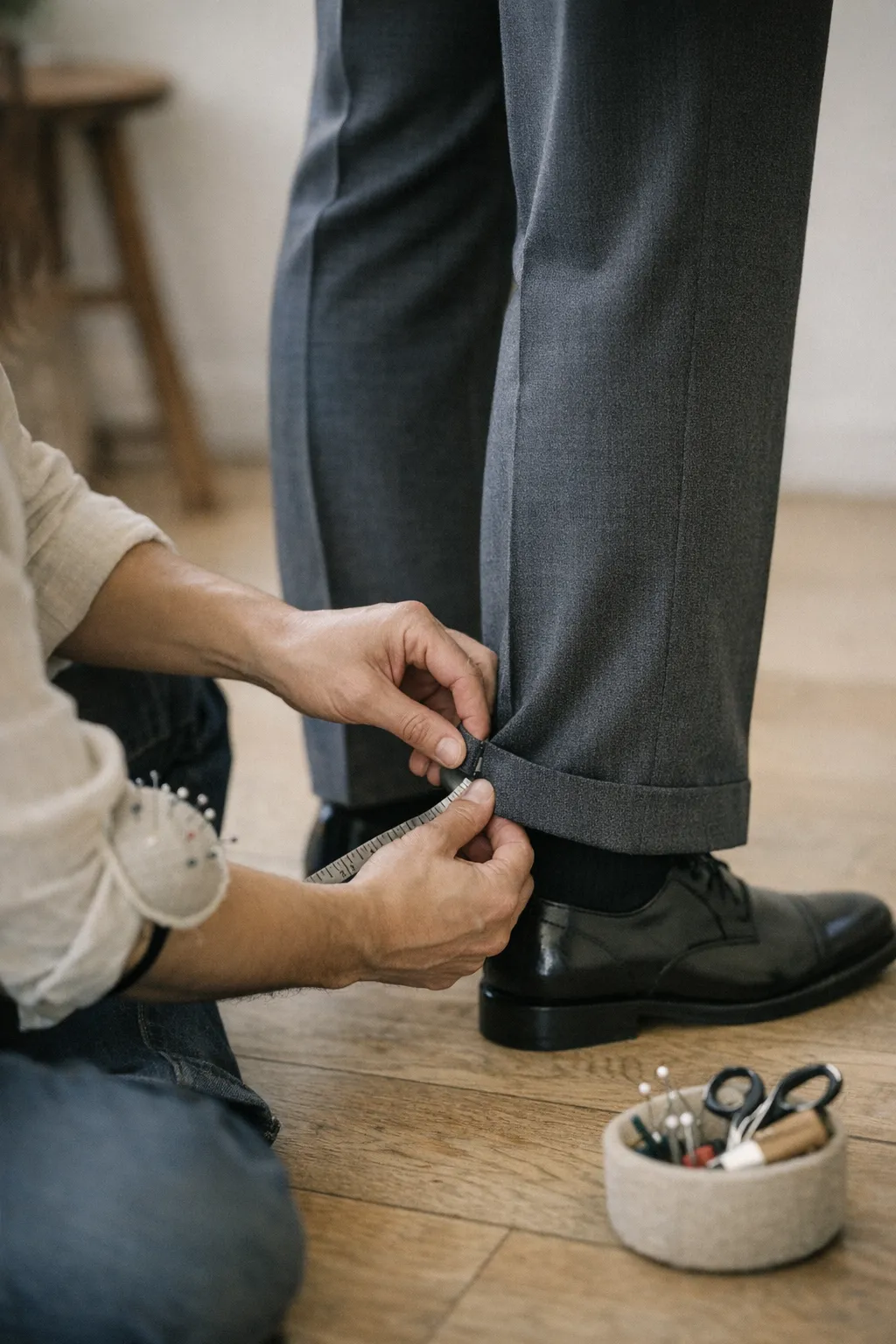
הכנות מוקדמות לבחירת מכנסי בד לגברים שיושבים טוב
ההכנות המקדימות חשובות כי התאמה ועיצוב הבד משפיעים ישירות על הנוחות והמראה. מדידות גוף מדויקות והבנת סוגי הגזרות והבדים עוזרות להימנע ממכנס שלא ישב נכון או ייראה עייף לאחר כביסה. תכנון מראש של סגנון, תקציב ופריטי ניסיון בחנות מאפשר לבחור 3-5 זוגות איכותיים שקל לשלבם בארון הקיים ובכל העונות.
Before you start, make sure you have:
- מדידות גוף מדויקות: מותניים ירכיים ואורך inseam
- הבנת צורת הגוף והגזרה המתאימה (Slim, Straight, Relaxed)
- היכרות עם בדי בד ותכונותיהם: כותנה פשתן צמר פוליאסטר
- בחירת סגנון מכנסי שמתאים לאירוע (יומיומי עבודה רשמי)
- הערכת משקל הבד ונשימתו
- בדיקת המתיחה וההחזרה של הבד
- בדיקת תפירה תפרים והגימור
- ניסוי במכנס עם חולצות ונעליים מהארון
- קביעת תקציב ובחירה ב-3-5 זוגות איכותיים
- גישה לחנות או קניון להרגיש את הבדים
- תכנון תחזוקה ולימוד הוראות הכביסה
- בדיקת מדיניות החזרה והחלפה
Take Action: Step by Step to Pick Fabric Pants That Sit Right
When selecting fabric pants that sit well, set a clear plan to assess your body, test fabrics, and check movement in real life. You will move through a structured evaluation of fit, weight, weave, and stretch, then verify by trying on with your everyday shirts and shoes. The goal is a small, cohesive capsule of midweight, breathable fabrics that hold shape through wear and washing. Stay methodical, compare a few options, and prioritize comfort and drape over sheer style so your pants sit correctly in multiple positions and across seasons.
-
Assess Body Type and Style
Measure waist hips and inseam and note your body shape. Decide on the best pant cuts for you such as Slim Straight or Relaxed based on comfort and occasion. Consider how you move and which styles will flatter your silhouette. This step sets the baseline for all later choices.
How to verify: Check the initial fit in the mirror and during basic movements.
Common fail: Picking a cut that does not suit your shape and causes pulling or sagging.
-
Choose Fabric Weight and Weave for Season
Select fabric weight that matches the season and activity level. Consider weaves like twill for structure or wool blends for warmth, and blends that offer breathability. Aim for fabrics that balance softness with durability and crease resistance. Your choice should support all planned wear scenarios.
How to verify: Feel the fabric in hand and assess how it drapes when held against your leg.
Common fail: Using fabric that is too heavy for warm weather or too light for outerwear use.
-
Check Drape by Holding Fabric and Visualizing Movement
Hold the fabric along the leg line and observe how it falls. Look for an even, natural fall without excessive stiffness or bunching. This helps ensure the pant sits smoothly when worn.
How to verify: Move your legs to mimic walking or stepping to see the drape in action.
Common fail: Fabric that piles or clings awkwardly at the knee or calf.
-
Test Stretch and Recovery during Movement
Perform bending and sitting to check how the fabric stretch behaves. Ensure the garment allows full range of motion without sagging or bagging. Look for fabrics with good recovery after movement.
How to verify: Return to a neutral pose after each movement and note any lasting deformation.
Common fail: Sagging knees or crotch area after short wear or repeated motion.
-
Inspect Construction Details
Examine seams, hems, waistband, and zipper or button quality. Even stitching and sturdy finishes indicate longer wear life. Confirm that all hardware functions smoothly.
How to verify: Gently tug at seams and test the zipper and button under light stress.
Common fail: Loose threads or uneven hems that unravel with wear.
-
Try On with Typical Shirts and Footwear
Pair the pants with your go-to shirts and shoes to see the overall look and fit. Check the inseam length and how the break sits at the foot. Ensure the color harmony with your wardrobe.
How to verify: Stand and sit in your usual daily outfits to assess consistency.
Common fail: Inseam too long or too short for your footwear and style.
-
Verify Rise and Inseam Length in Standing and Seated Positions
Test the rise during both standing and seated moments to ensure comfort and proper coverage. Confirm the inseam ends just above the shoe with a clean break. Adjust if necessary to avoid riding up or pooling at the ankle.
How to verify: Observe waistband behavior when you sit and stand multiple times.
Common fail: Waistband rides up or pants bunch in the seat when seated.
-
Build a Capsule Selection
Select a small set of 3 to 5 pants in neutral colors that mix with your existing wardrobe. Ensure each pair covers different but complementary occasions and seasons. Focus on fabric versatility and consistent fit across washes.
How to verify: Create several outfits on a trial basis to confirm cohesion.
Common fail: Owning many similar pairs that don’t expand outfit options.
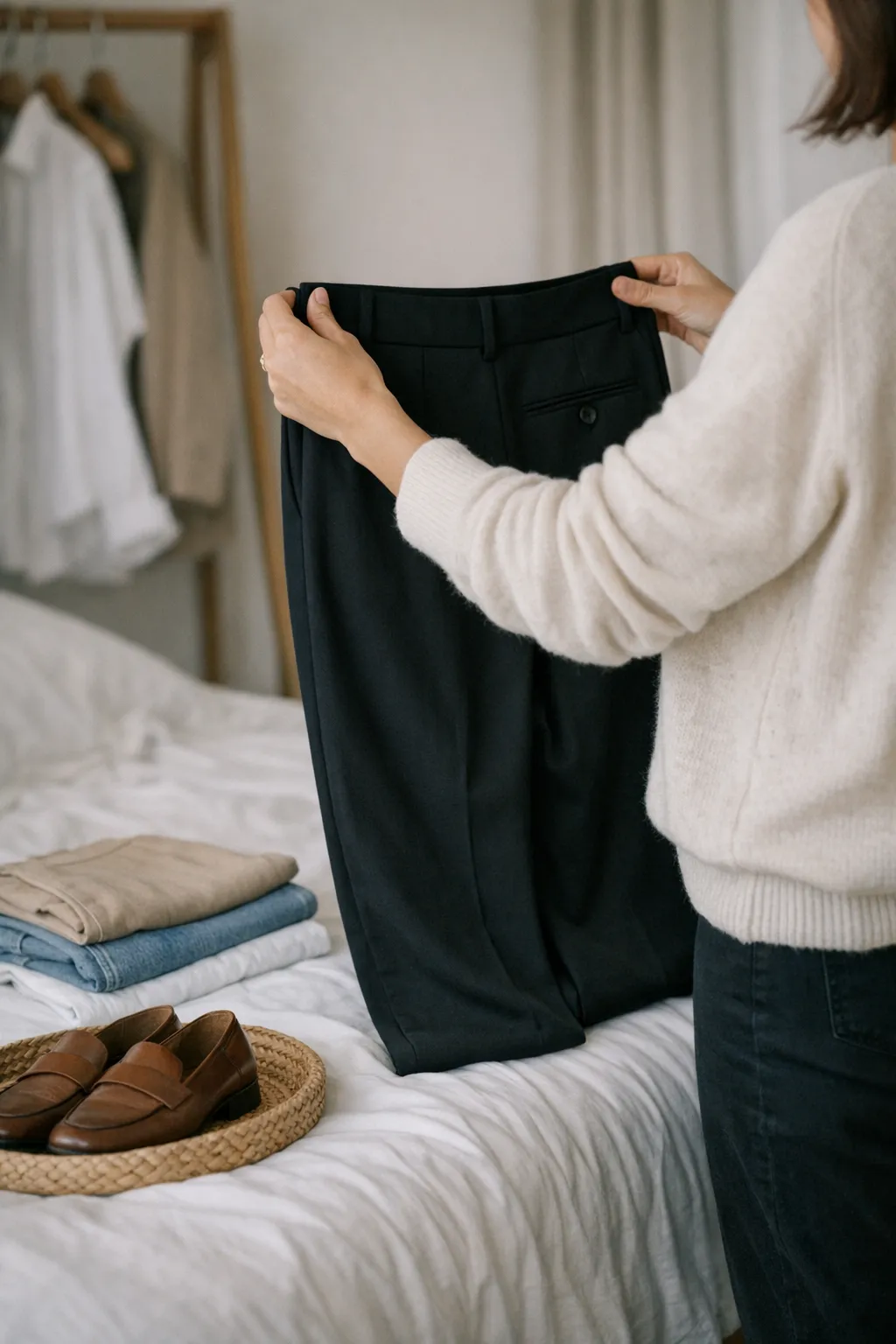
Verification of Sit and Wear Performance
To confirm success, test the pants through real life actions-sitting, bending, walking, and standing in typical daily contexts. Observe how the fabric drapes and whether the waistband remains at a comfortable height. Check that the inseam breaks cleanly above your shoes and that movement feels unrestricted. Consider long wear and laundering to ensure color, shape, and finish hold up. If any of these fail, reassess fabric weight, weave, or size before committing.
- Drape and fall are smooth with no cling or excessive bunching
- Movement feels unrestricted in daily activities
- Inseam ends above the shoe with a clean break
- Waistband stays in place during standing and sitting
- Seams and hems remain even after wear
- Fabric breathability and moisture management are effective
- Color and finish hold after washing per care instructions
- Outfit coordinates with typical shirts and footwear
| Checkpoint | What good looks like | How to test | If it fails, try |
|---|---|---|---|
| Drape and fall | Smooth, even fall across the leg | Hold fabric along leg and walk a few steps | Adjust fabric weight or cut for better fall |
| Movement and comfort | Full range of motion without restriction | Sit bend and walk in routine positions | Choose a different size or weave with more stretch |
| Inseam length | Ends just above the shoe with a clean break | Try with typical footwear and observe break | Tailor or try a different inseam |
| Waistband behavior | Stays in place during movement | Stand and sit repeatedly, check waist shift | Adjust rise or size, consider belt or tailoring |
| Construction quality | Even stitching, durable hems and hardware | Gently tug seams and test zipper/button | Seek higher quality construction or different brand |
| Breathability | Comfortable feel with good airflow | Wear for extended period and note heat buildup | Switch to lighter weight or breathable blend |
| Care and color | Color remains vibrant, fabric resists excessive wrinkling | Follow care label and launder once | Choose fabrics with better colorfastness or wrinkle resistance |
Troubleshooting Sit and Wear Issues for Fabric Pants
When pants that sit well don’t perform as expected, identify the symptom, understand why it happens, and apply a clear, actionable fix. This quick guide targets fabric weight and weave, stretch and recovery, drape, and construction so you can restore proper sit and ease through daily activities. Use these practical steps to move from problem to a reliable, season-spanning fit without guesswork.
-
Symptom:
Fabric feels too stiff or too limp
Why it happens: The fabric weight or weave may not match the cut, causing poor drape and movement.
Fix: Select a midweight breathable fabric with a more suitable weave and test drape on the leg before committing.
-
Symptom:
Drape looks uneven at the knee or calf
Why it happens: Wrong weight or cut for the leg shape can cause awkward fall.
Fix: Try a fabric with better drape or switch to a cut that suits your leg silhouette, then recheck with movement.
-
Symptom:
Pants sag after wear
Why it happens: Insufficient stretch recovery or an ill fit at the waist.
Fix: Choose a fabric with higher recovery or size up slightly and ensure the waist measurement is correct.
-
Symptom:
Noticeable wrinkles or creasing
Why it happens: Wrinkle-prone fibers or inadequate finishing leads to creases after wear.
Fix: Opt for wrinkle-resistant blends or add proper pressing/steaming after washing, consider a different weave.
-
Symptom:
Inseam length too long or too short
Why it happens: Incorrect inseam for your footwear and pants style.
Fix: Tailor the hem or choose a different inseam to end just above the shoe with a clean break.
-
Symptom:
Color fades or dye transfers
Why it happens: Poor colorfastness or improper laundering preserves.
Fix: Wash with similar colors, use cold water, and air dry, select fabrics with proven colorfastness.
-
Symptom:
Pants shrink after washing
Why it happens: Care methods that are too warm or aggressive for the fiber.
Fix: Prewash or wash in cold water and air dry, follow the garment’s care label for the correct approach.
-
Symptom:
Breathability and comfort are poor
Why it happens: Overly synthetic or non-ventilated fabrics trap heat.
Fix: Switch to cotton linen or breathable blends and verify moisture management features before wearing.
Common Questions About Pants That Sit Well
- How do I know if fabric weight is right for me? Choose a midweight breathable fabric with a touch of stretch, suitable for most seasons and activities. Consider climate, how you move, and how the fabric drapes and feels against the skin.
- What inseam length should I aim for a clean break? End the inseam just above the shoe with a clean break, testing with your usual footwear to confirm alignment.
- How can I tell if pants will sit well before buying? Try on with your typical shirts and shoes and move through sit and bend tests to check waistband, drape, and comfort. Are fabric blends better than 100 natural fibers for a good sit? Blends balance softness, durability, and crease resistance, choose based on climate and daily wear needs.
- How can I prevent pants from sagging after wear? Look for fabrics with good stretch recovery and ensure the size and waist fit are correct, consider a small amount of elastane for better return.
- What fabrics are best for hot climates? Opt for cotton, linen, and breathable blends, avoid heavy wool in hot or humid conditions.
- How should I care for pants to maintain sit and color? Follow the care label, wash with similar colors, and air dry when possible to preserve fit and finish.
- Should I tailor pants for a perfect sit? Yes, tailoring can perfect waist, rise, and inseam for a truly customized fit.
- How many pants should I own for a versatile wardrobe? A capsule of three to five high-quality pairs in neutral colors typically covers most occasions and outfits.
Practical Questions About Fabric Pants That Sit Well
How do I know if fabric weight is right for pants that sit well?
Start with a midweight, breathable fabric that includes a small amount of stretch. This weight typically balances drape, comfort, and durability for most climates and daily activities. To verify, hold the fabric against your leg and assess how it falls, then try on pants with your usual shirt and shoes and move through sitting and walking. If it feels bulky or too slack, test a lighter or heavier option.
What inseam length should I aim for a clean break?
End the inseam so the hem sits just above the shoe, creating a clean break. Try with your typical footwear and a couple of socks to confirm balance. If the break sits on the shoe or drags the floor, adjust the inseam length or consider a tailor. A precise inseam helps the sit look correct in all actions.
How can I tell if pants will sit well before buying?
Test by trying the pants on with your regular shirts and footwear and move through common actions. Check the waist at rest and during movement, ensure the fabric drapes smoothly over the thighs, and confirm the seat doesn’t sag. If you feel tightness or bunching in key areas, reassess the cut or size before purchasing.
Are fabric blends better than 100 natural fibers for a good sit?
Blends can offer a practical balance between softness durability and crease resistance. A cotton poly or wool silk blend often provides better shape retention than pure natural fibers, especially in varied climates. Your choice depends on how you wear the pants, blends are usually easier to care for and hold their look longer between washes.
How can I prevent pants from sagging after wear?
Choose fabrics with good stretch recovery and verify the waist measurement is accurate. A small amount of elastane can improve return after movement and avoid sagging, and avoid oversizing. Wash and dry according to care instructions to maintain elasticity. If sagging persists, consider a slightly higher rise or tailoring for a secure, consistent sit.
What fabrics are best for hot climates?
Opt for cotton linen and breathable blends that wick moisture and allow air to circulate. Avoid heavy wool for warm days and look for fabrics labeled breathable or moisture management. Performance blends can provide extra comfort while preserving a clean sit during long hours of wear. These fabrics typically adapt to movement reducing cling.
How should I care for pants to maintain sit and color?
Follow the garment care label precisely and wash with similar colors in cold water when possible. Air dry to preserve shape and color and avoid high heat which can shrink or fade fibers. Use gentle detergents and minimal treating, regularly press or steam to maintain a crisp drape for the sit.
Should I tailor pants for a perfect sit?
Yes tailoring can fine tune waist rise and inseam to your exact measurements delivering a truly customized sit. A quick hem adjustment or minor taper can dramatically improve how the fabric sits in everyday movements. Plan for a brief tailor session after you confirm your preferred fit and wear tests.
How many pants should I own for a versatile wardrobe?
A pragmatic approach is three to five high quality pairs in neutral colors, chosen to cover casual and formal contexts. This setup supports mixing with many shirts and shoes while maintaining a cohesive look. Prioritize consistent fit and durable fabrics to maximize wear and longevity across seasons.