
Men's T-shirt size chart: how to measure at home takes you from measurements to a confident size choice in minutes. You will collect four key numbers-chest, shoulder width, sleeve length, and shirt length-then map those figures to the brand’s size chart . The simplest path is clear: decide your preferred fit first (slim, regular, or modern), measure with a flexible tape either on your body or on a well‑fitting T‑shirt laid flat, keep units consistent, and compare each measurement to the chart’s ranges. Use chest as the primary anchor, then verify against shoulder, sleeve, and length for balance. Don’t forget to consider fabric shrinkage and brand variation, and jot the results for future orders. This approach keeps sizing practical, repeatable, and anchored in the keyword: Men's T-shirt size chart: how to measure at home.
This is for you if:
- Online shoppers who can’t try on in-store
- Anyone who wants consistent sizing across brands
- Newcomers learning a measurement-based approach
- Buyers wanting to reduce returns from poor fits
- Readers comfortable measuring chest, shoulders, sleeves, and length
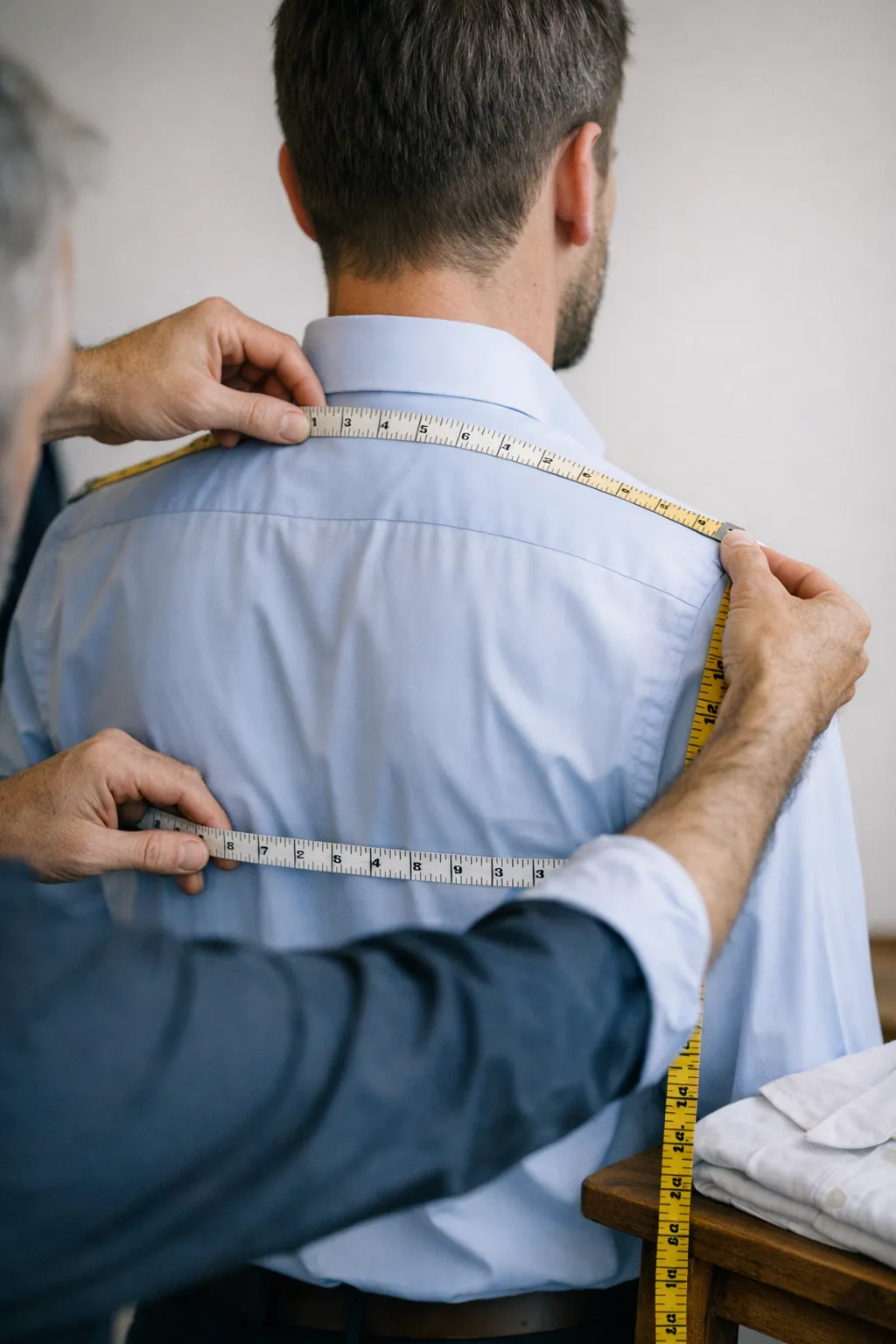
Before you start: prerequisites for at-home T-shirt sizing
Prerequisites ensure you measure accurately and consistently, which leads to a reliable size mapping to the brand chart. Having the right tools, a clear workspace, and a defined fit goal minimizes guesswork and returns. By gathering these items first, you can complete the measurements quickly, reproduce the process later, and compare results across brands with confidence.
Before you start, make sure you have:
- Access to the brand’s T‑shirt size chart for the product
- A flexible measuring tape (inches or centimeters)
- A well-fitting T‑shirt you own or a reliable reference garment
- A flat, clean surface large enough to lay the shirt
- A notebook or device to record measurements
- A pen or pencil to note down numbers
- A mirror for alignment (optional)
- A helper to assist with shoulder width if needed
- Knowledge of your preferred fit (slim, regular, classic or modern)
- Consistent measurement units (stick to inches or centimeters)
- Time set aside to measure chest, shoulder width, sleeve length, and shirt length
- Notes on fabric shrinkage or care instructions that may affect post-wash size
Measure at home to select your T-shirt size
This step-by-step procedure helps you translate body measurements into a reliable T-shirt size using a brand’s size chart. You will gather four key numbers-chest, shoulder width, sleeve length, and shirt length-and map them to the chart, while choosing a fit first (slim, regular, classic, or modern). Use a flexible tape, measure on a relaxed body or a well-fitting tee laid flat, and keep units consistent. Verify each measurement against the chart to ensure a balanced, comfortable result and minimize returns.
-
Decide fit
Set your preferred silhouette before measuring. Choose between slim, regular, classic, or modern to guide the chart mapping.
How to verify: Confirm your fit choice is written down or noted before you begin.
Common fail: Skipping the fit decision and measuring without a target silhouette.
-
Prepare workspace
Clear a flat, well-lit area and have a flexible tape, a notebook, and a pen ready. Ensure you can access the brand’s size chart during the process.
How to verify: All tools and the chart are within reach before you start.
Common fail: Working in a cluttered space or with mismatched units.
-
Measure chest
Wrap the tape around the fullest part of your chest, under the armpits. Keep the tape level and snug but not tight.
How to verify: Chest measurement aligns with a range on the chart for your target size.
Common fail: Tape being too tight or too loose or placing it too high or low.
-
Measure shoulder width
Measure from shoulder seam to shoulder seam across the back. If needed, have a helper hold the tape steady.
How to verify: Shoulder width matches the chart’s shoulder dimension for the chosen size.
Common fail: Starting at the neck or not using the true shoulder seam.
-
Measure sleeve length
Measure from the shoulder seam to the end of the sleeve with the arm relaxed. Keep the tape along the outer edge.
How to verify: Sleeve length corresponds to the size chart’s value for your size.
Common fail: Bending the elbow or guiding the tape along an angled path.
-
Measure shirt length
Measure from the highest point of the shoulder near the neckline straight down to the hem. Keep the tape vertical and centered at the back.
How to verify: Length matches your wear preference (untucked or tucked) and aligns with the chart.
Common fail: Measuring from the wrong point or not keeping the tape vertical.
-
Map to size chart
Compare chest, shoulder, sleeve, and length to the brand’s numeric ranges. Pick the size that best covers your measurements with the desired fit.
How to verify: The chosen size provides a balanced fit across all four measurements.
Common fail: Relying on chest alone or ignoring length and sleeve considerations.
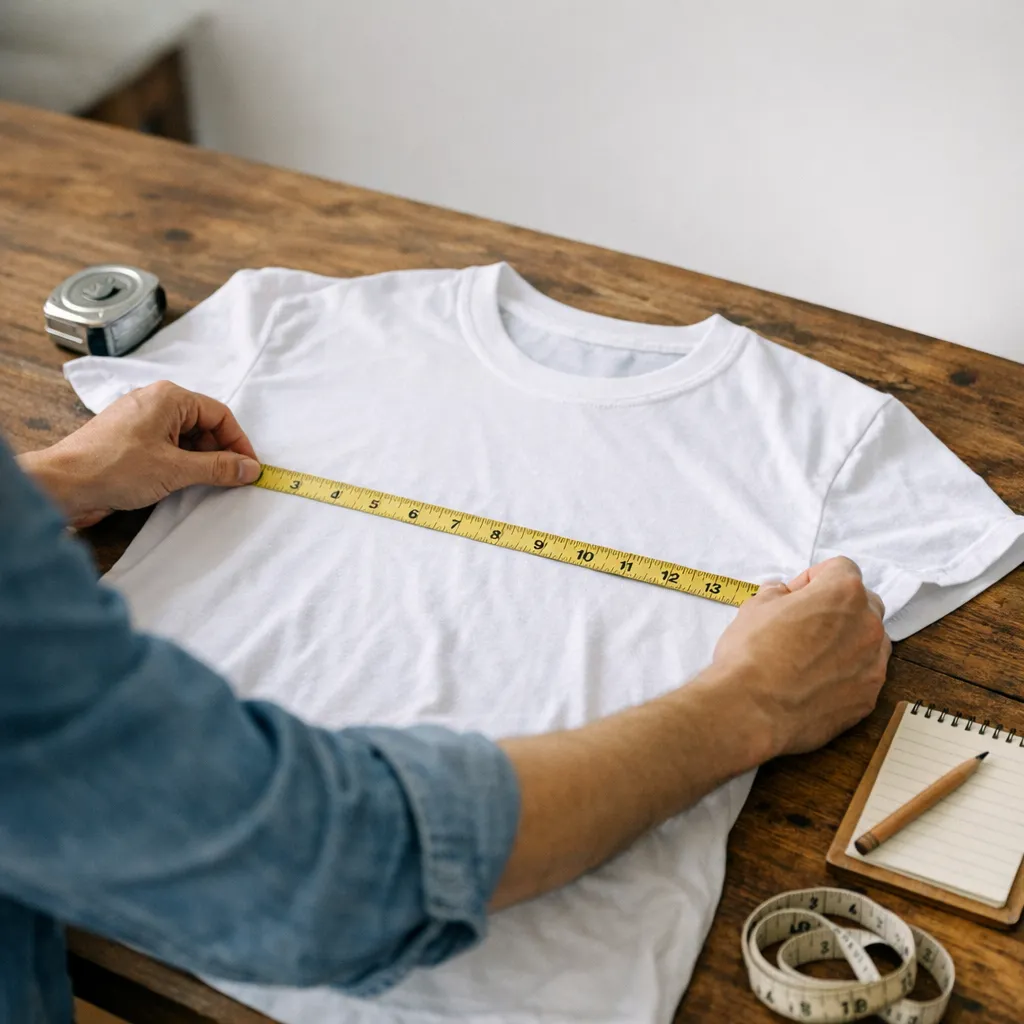
Verification: confirm your home measurements map accurately to the size chart
This verification guides you through confirming that the four key measurements-chest, shoulder width, sleeve length, and shirt length-translate to a reliable T‑shirt size on the brand chart. By validating each dimension, checking shoulder placement, and considering how you intend to wear the shirt, you reduce returns and gain confidence in future purchases. Use consistent units, account for fabric behavior, and document your results so you can reproduce the process for other styles.
- All four measurements fall within the target size ranges on the chart
- Shoulder seams align with the shoulder bone or natural shoulder line
- Sleeve length and shirt length match your intended wear (untucked or tucked)
- Measurements were taken with the tape snug but not tight and the posture is relaxed
- Units are consistent with the chart (inches or centimeters)
- The chosen size reflects the intended fit (slim, regular, modern) based on measurements
- Fabric shrinkage is considered and may influence final size
- You can reproduce the measurement process and results for future orders
| Checkpoint | What good looks like | How to test | If it fails, try |
|---|---|---|---|
| Overall size mapping | All four measurements map to a single size range on the chart | Compare chest, shoulder, sleeve, and length to the chart’s ranges | Re-measure or select the adjacent size and re-check |
| Shoulder seam placement | Shoulder seam sits on or near the shoulder bone | Visual check or have a helper verify against the body | Re-measure shoulder width or adjust size accordingly |
| Length alignment | Shirt length matches your preferred wear (untucked or tucked) | Hold the hem at intended waistline and compare to chart guidance | Choose a longer or shorter size based on wear preference |
| Measurement consistency | Repeated measurements are within a small tolerance | Measure each dimension twice and compare results | Re-measure with the same technique or have another person assist |
Troubleshooting: fix common home measurement issues for t-shirt sizing
When you’re troubleshooting at home, you’re aiming to keep measurements precise and aligned with the brand chart. This quick guide helps you spot when results don’t map cleanly to a size and gives practical, actionable fixes you can apply right away. By addressing landmarks, tape tension, and fabric behavior, you’ll reduce returns and improve future accuracy for online shopping.
-
Symptom:
Chest measurement lands between sizes
Why it happens: Variation in body shape, measurement landmarks, or slight tape tension can push the result outside a single size range.
Fix: Re-measure the chest with arms relaxed, using the fullest part under the armpits, and ensure the tape lies flat and level, map the value to the closest size range on the chart, preferring the larger size for comfort if between.
-
Symptom:
Shoulder width doesn’t align with the chosen size
Why it happens: Inaccurate points (neck-to-shoulder vs true shoulder seam) can skew results.
Fix: Measure shoulder seam to seam across the back, preferably with a helper, and compare to the chart’s B value, adjust to the size with closer shoulder width, even if chest is a touch off.
-
Symptom:
Sleeve length too long
Why it happens: Measuring from the wrong starting point or not keeping the tape along the outer edge can overestimate length.
Fix: Re-measure from the shoulder seam to the end of the sleeve with the arm relaxed and the tape straight, map to the chart’s D value and choose the size that minimizes excess length.
-
Symptom:
Shirt length feels too short when worn untucked
Why it happens: Incorrect start point for length measurement or measuring to a point too high on the torso.
Fix: Re-measure shirt length from the highest point of the shoulder to the desired hem, keeping the tape vertical, select a size with a longer C value if needed.
-
Symptom:
Measurements vary between attempts
Why it happens: Tape tension, posture shifts, or timing differences can produce different numbers.
Fix: Take measurements twice in the same session with the same stance and tape tension, use the average or the most consistent result for chart mapping.
-
Symptom:
Post-wash size is smaller than expected
Why it happens: Cotton and some fabrics shrink after washing, care instructions are not followed or you sized too tightly.
Fix: If you’re between sizes, size up for cotton tees and follow the garment’s wash instructions, consider pre-shrinking before listing or ordering a fresh tee.
-
Symptom:
Brand chart doesn’t match the product style
Why it happens: Different product lines have distinct charts, you might be using a chart from a different style.
Fix: Always reference the product’s specific size chart page for that style and confirm you’re mapping to the correct numeric ranges.
-
Symptom:
Shoulder seams sit off the shoulder after trying on
Why it happens: The width is too narrow or too wide for your frame, causing seam misalignment.
Fix: Re-check shoulder width against the chart, and if needed, move to the adjacent size that brings the seam to the natural shoulder line.
What to ask next about at-home T‑shirt sizing
-
Question?
How should I decide between slim, regular, or modern fit before measuring?
Answer: Choose your preferred silhouette first to guide which size ranges to target on the chart and then map your measurements accordingly. -
Question?
Should I measure on my body or on a tee laid flat?
Answer: Both methods are valuable, body measurements reflect how the shirt will wear, while measuring a tee laid flat mirrors product sizing. -
Question?
What if I’m between sizes on the chart?
Answer: Use your fit preference as a tiebreaker and consider fabric shrinkage, size up for cotton if you want more ease. -
Question?
How do I convert inches to centimeters?
Answer: Use the chart’s dual-unit data, if converting manually, multiply inches by 2.54 and keep all measurements in the same unit. -
Question?
How important is shoulder width versus chest size?
Answer: Shoulder width affects silhouette and sleeve placement, ensure your shoulder measurement aligns with the chosen size on the chart. -
Question?
Do cotton tees shrink after washing?
Answer: Yes, account for shrinkage in your size choice and follow care instructions to minimize changes after washing. -
Question?
How do I map measurements A-D to a size?
Answer: Start with chest (A), then verify shoulder (B), sleeve (D), and length (C) against the chart to pick the best-fitting size. -
Question?
Are brand size charts interchangeable?
Answer: Not always, always reference the specific product’s size chart since brand mappings vary.
Common Questions About At-Home T-Shirt Sizing
-
How do I decide between slim, regular, or modern fit before measuring?
Start by choosing your preferred silhouette before you begin measuring. A slim or modern fit will require a smaller chest and shoulder allowance, while a regular fit offers more room through the chest and sleeves. Consider how you plan to wear the shirt-layering, tucking, or casual untucked-and use that intent to guide which range on the size chart you target. Then map your measurements to the corresponding size bands for that fit.
-
Should I measure on my body or on a tee laid flat?
Both methods have value. Measuring on your body reflects how the shirt will actually sit and move, while measuring a tee laid flat mirrors the product’s actual dimensions. If you’re shopping online, compare body measurements for fit and use the laid-flat chest measurement to verify the chart’s numbers. Always keep the tape level, relaxed, and in the same units you’ll use on the size chart.
-
What if I’m between sizes on the chart?
When you sit between two sizes, prioritize how you want the shirt to feel in everyday wear. If you want a closer silhouette, lean toward the smaller option and accept minor adjustments, if you want more ease, choose the larger size. Consider fabric shrinkage and the shirt’s intended use, then pick the size that best suits your preferred look and comfort across the four measurements.
-
How do I ensure measurements stay consistent across brands?
Always start with the brand’s specific size chart for the style you’re buying. Use the same four measurements-chest, shoulder, sleeve, and length-and map them to that chart rather than relying on a generic label. Record units and double-check you’re comparing the same measurement points (A-D) across brands to avoid misfit surprises.
-
How important is shoulder width vs chest size?
Shoulder width matters for sleeve placement and overall silhouette. A correct chest measurement alone can underestimate fit if the shoulders are narrow or wide for your frame. Use shoulder width (B) to confirm the size alongside chest (A). If the chart shows a better balance on another size, favor the one with accurate shoulder alignment to prevent tightness or gapping in the sleeve area.
-
Can fabric shrinkage affect size after washing?
Yes. Cotton tees and some blends can shrink after washing, so your measured chest and shoulder could tighten slightly over time. If you’re between sizes or buying cotton, size up or plan to wash in cold water and air-dry. Always check care instructions and, if possible, pre-wash a sample to gauge how much change to expect.
-
How should I handle measurement errors?
If you suspect a mistake, re‑measure the four points in the same session with the same posture and tool. Take each measurement at least twice and use the most consistent result. Compare the recalculated size to the chart, if numbers still don’t align, try the adjacent size that best fits your target silhouette.
-
Are brand size charts interchangeable?
No. Brand size charts vary between lines, so always reference the chart for the specific product style you’re buying. Even if two shirts are labeled the same size, their measurements can differ. Use the four numeric ranges on the exact chart and cross-check your chest, shoulder, sleeve, and length against that page.