
To keep a cotton T-shirt from shrinking, follow a simple, safe routine. First, read the care label and note whether the shirt is pre-shrunk. Then wash cold on a delicate cycle with a gentle, plant-based detergent that dissolves in cold water. Turn the T-shirt inside out, button or zip closures, and avoid bleach, optical brighteners, and fabric softeners. Do not overload the machine, use a low spin. After washing, remove promptly and air-dry flat or on a low-heat setting if you must use a dryer. If you need to speed up drying, lay the shirt on a clean towel and reshape while damp. Finally, check the fit when dry and repeat only if needed. This approach minimizes friction and heat exposure, helping your cotton T-shirt retain its original size and drape.
This is for you if:
- You own a cotton T-shirt and want to maintain its size and shape.
- You follow garment care labels and prefer a gentle washing method.
- You want to avoid shrinkage from heat and harsh detergents.
- You value easy, repeatable steps that fit into a busy routine.
- You are using a standard washing machine or hand-washing when required.
- You want to preserve color and fabric feel over time.
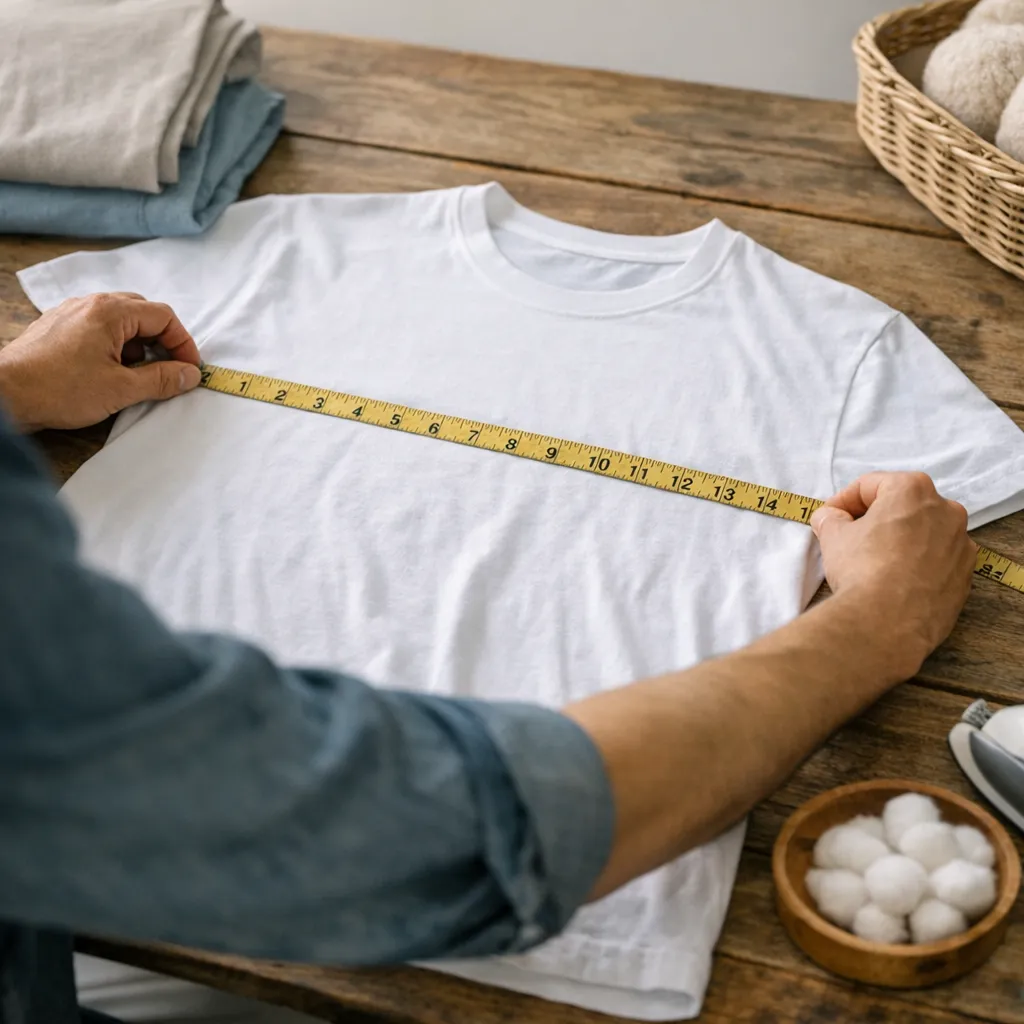
What you need before washing a cotton T‑shirt to prevent shrinking
Getting the right tools and reading the care label beforehand helps you start with a low-risk washing approach. Prerequisites establish the foundation for cold-water, gentle-wash routines that protect cotton fibers, preserve fit, and keep colors true. When you know exactly what you have and how to use it, you can follow the steps with confidence and reduce the chances of heat exposure or harsh detergents triggering shrinkage.
Before you start, make sure you have:
- A 100% cotton T-shirt
- A care label you can read
- A washing machine with a cold setting and delicate cycle
- A mild detergent that dissolves in cold water
- Optionally, a plant-based or biodegradable detergent
- A mesh laundry bag for delicates
- Access to air-drying space or a dryer with a low-heat option
- A flat surface or rack to reshape damp fabric
- Closures fastened (zippers/buttons) to prevent snagging
- No bleach, optical brighteners for colored tees, or fabric softeners
- Cold-water rinse capability or a second rinse cycle if needed
- Time to check fit after drying
Take Action: Wash a Cotton T‑Shirt to Prevent Shrinking
Set up a careful washing routine that minimizes heat and agitation to keep your cotton T-shirt true to size. Start by reading the care label to confirm any pre-shrunk status, then wash on cold using a delicate cycle with a mild detergent that dissolves completely in cold water. Turn the shirt inside out and fasten any closures to prevent snagging. After washing, remove promptly and air-dry on a rack or line, or use a dryer's low-heat setting if needed. If you must speed drying, lay the shirt on a towel and reshape while damp. Consistency is key for reliable results.
This is for you if:
- You want to maintain the original size and shape of your cotton T-shirt.
- You follow care labels and prefer a gentle washing routine.
- You want to avoid shrinkage from heat, bleach, or heavy detergents.
- You value a practical process that fits into a busy schedule.
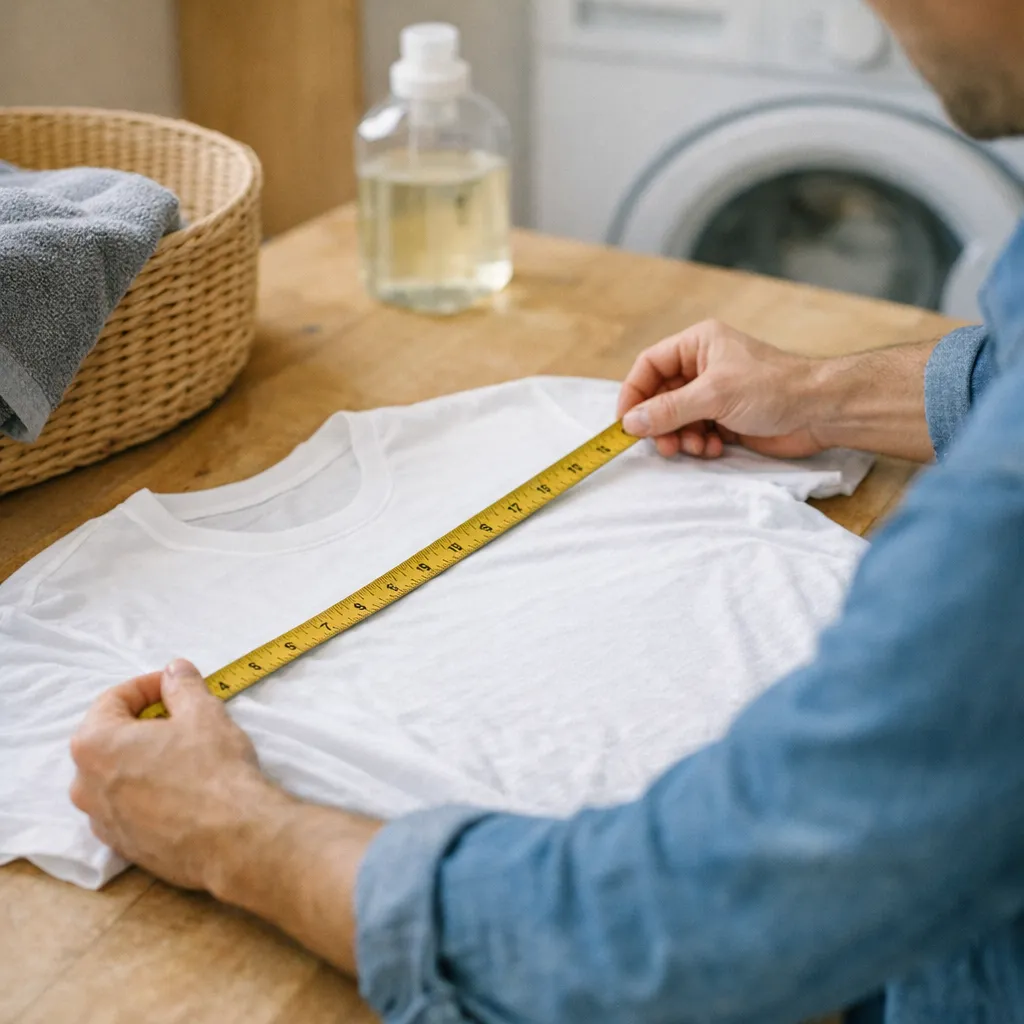
Verification: Confirm Your Cotton T‑Shirt Won’t Shrink After Washing
After completing the washing and drying steps, take a focused look at fit, shape, and fabric feel to ensure the shirt has retained its size. Compare current measurements to your prewash references and assess drape, seams, and coloration. Confirm there’s no residue from detergent, no chalky stiffness, and no unexpected distortion around the neckline or shoulders. If these checks align with your expectations, you’ve successfully prevented shrinkage, repeat the same routine for consistent results in future washes.
- Post-wash size matches pre-wash measurements
- Fabric feels soft and free of stiffness or roughness
- Color remains true with no dye transfer
- No detergent residue or odd odor
- Closures and seams remain intact and aligned
- Drying method preserved the garment’s shape
- Fit drapes naturally without pulling or distortion
| Checkpoint | What good looks like | How to test | If it fails, try |
|---|---|---|---|
| Post-wash size comparison | Size matches pre-wash measurements | Compare shoulder width, chest, and sleeve length to reference measurements | Rewash with colder water and a gentler cycle, then recheck |
| Drying impact | Garment holds shape with no shrinkage | Inspect shoulders and side seams after air-drying | Increase air-drying time or switch to a lower heat setting |
| Color retention | Color remains true, no dye bleed | Visually compare to original color, check for color transfer on a white cloth | Sort colors more strictly, wash in cold water |
| Fabric feel | Soft, flexible texture | Run your hand over the fabric, no chalky or stiff feel | Use a gentler detergent and avoid over-drying |
| Detergent residue | Neutral scent and no slick sensation | Rinse thoroughly, wipe with a damp cloth to test for residue | Add an extra rinse cycle or reduce detergent amount |
Troubleshooting: Quick fixes when cotton T-shirts shrink after washing
If you’ve followed the recommended steps but still encounter issues, use targeted adjustments to protect size, color, and feel. This quick guide helps you diagnose common problems and apply practical remedies without starting over. Each entry focuses on a realistic symptom, explains why it happened, and provides an actionable fix you can implement in your next wash.
-
Symptom:
Shirt looks smaller after drying
Why it happens: Hot water or a hot dryer, and over-drying can cause cotton fibers to contract and set a smaller shape.
Fix: Wash in cold water on a delicate cycle, remove promptly, and air-dry or use a low-heat setting, reshape while damp if needed.
-
Symptom:
Colors appear dull or faded after washing
Why it happens: Detergents with optical brighteners or harsh formulations can strip color over time.
Fix: Use a mild, pH-balanced detergent and avoid optical brighteners, wash with similar colors in cold water.
-
Symptom:
Fabric feels stiff or rough after drying
Why it happens: Detergent residue or over-drying can leave fibers stiff and less breathable.
Fix: Rinse thoroughly, use the minimum detergent, and air-dry, consider a shorter drying cycle on low heat if needed.
-
Symptom:
Shirt pills or develops fuzzy surface
Why it happens: Friction from washing with rough fabrics or overloading the machine.
Fix: Wash delicates in a mesh bag on a gentle cycle, avoid overloading the washer to reduce friction.
-
Symptom:
Neckline or shoulder seams look distorted
Why it happens: Hanging damp or drying on a thin hanger can stretch fabric.
Fix: Reshape damply, lay flat to dry, or use a supportive, wider hanger if needed.
-
Symptom:
Detergent residue feels slick on fabric
Why it happens: Using too much detergent or insufficient rinsing leaves residue behind.
Fix: Use a smaller amount of detergent and ensure full rinsing, run an extra rinse cycle if necessary.
-
Symptom:
Color transfers to other garments
Why it happens: Colors bleed when whites and colors are washed together, especially with new garments.
Fix: Sort by color, wash whites separately, and use cold water to minimize dye transfer.
What readers ask next about washing cotton T‑shirts
- Should I always wash cotton tees in cold water and on a delicate cycle? Yes. Cold water reduces fiber stress and shrinkage, while a delicate cycle minimizes agitation that can distort fabric. If the label allows, this is the safest default approach for most cotton T‑shirts.
- Can I use a dryer to speed drying without shrinking? You can, but use a low-heat setting or moisture‑sensor program and remove while slightly damp. Air-drying remains the best option to preserve size and shape over time.
- How can I reshape a cotton T-shirt if it shrinks? Dampen the garment and gently stretch it back toward its original dimensions, then lay it flat to dry. A light pass with a steamer can help set the new shape.
- Is pre‑shrinking necessary for new shirts? Pre-shrinking can help. Soak new cotton items in cold water for a while before washing, then proceed with a cold, gentle wash as usual.
- What should I look for in detergent to prevent shrinkage? Choose a mild, pH-balanced detergent that dissolves in cold water and avoid formulas with optical brighteners for colored tees. Use the minimum amount needed for effective cleaning.
- How do I prevent color fading or dye transfer? Wash with similar colors in cold water and avoid overloading the machine. Turning shirts inside out also helps reduce surface wear and color loss.
- Should I turn the shirt inside out before washing? Yes. Turning inside out protects outer surfaces from friction and helps preserve color and shape during agitation.
- Any other tips to avoid shrinkage during drying? Avoid high heat and long drying cycles. Prefer air‑drying on a rack or clothesline, or use a low‑heat setting if you must use a dryer.
Common questions about washing cotton T-shirts to prevent shrinking
- Should I always wash cotton tees in cold water and on a delicate cycle? Yes. Washing cotton tees in cold water on a delicate cycle minimizes fiber stress and shrinkage, while helping colors stay true. Pair this with a mild detergent that dissolves in cold water, turn the shirt inside out, avoid overloading, skip fabric softeners, and air-dry or use a low-heat dryer to finish.
- Can I use a dryer to speed drying without shrinking? Yes, you can, but use a low-heat setting or moisture-sensor program and remove the shirt while slightly damp. Air-drying remains the safest option to preserve size and shape over time, if you must use a dryer, choose the lowest heat and shortest cycle, then promptly remove and lay flat to finish.
- How can I reshape a cotton T-shirt if it shrinks? To reshape a cotton T-shirt after shrinkage, dampen the garment and gently stretch it back toward its original dimensions, focusing on shoulders, chest, and hem area. Lay flat to dry, use a clean towel as support, and apply a light pass of steam if needed to set the new shape, avoid aggressive pulling that could distort seams.
- Is pre-shrinking necessary for new shirts? Pre-shrinking can help, soak new cotton items in cold water before washing, then proceed with a cold, gentle wash. If you skip soaking, start with a cold wash and a delicate cycle to minimize surprises, and always follow the garment’s care label for temperature and drying guidance. A brief pre-soak now saves adjustments later.
- What should I look for in detergent to prevent shrinkage? Look for a mild, pH-balanced detergent that dissolves in cold water and avoid formulas with optical brighteners for colored tees. Use the minimum amount necessary for effective cleaning, and choose a plant-based detergent when possible to protect fibers and color integrity.
- How do I prevent color fading or dye transfer? To prevent color fading or dye transfer, wash with similar colors in cold water, avoid overloading, and turn shirts inside out to reduce surface wear. This combination minimizes dye loss and keeps tones even across washes, especially on darker or vibrant tees.
- Should I turn the shirt inside out before washing? Yes. Turning the shirt inside out protects outer surfaces from friction and helps preserve color and shape during agitation. Always fasten closures to prevent snagging, and use cold water with a gentle cycle followed by air-drying to extend the garment’s life.
- Any other tips to avoid shrinkage during drying? Air-drying on a rack or line whenever possible helps preserve size and fabric integrity. If you must use a dryer, choose a low-heat setting or moisture-sensor program and remove the garment while still slightly damp to finish drying. Avoid extended drying times and direct heat sources to minimize fiber stress.