
To wash a cotton T-shirt so it won’t shrink, follow a simple cold water routine and gentle handling. Start by checking the care label, then pre soak new shirts in cold water for 24 to 48 hours. Wash on a gentle cycle in cold water with a mild detergent, using the minimum amount and avoiding fabric softeners and optical brighteners. Turn shirts inside out, close zippers, and sort by color and weight. Remove promptly, then air dry on a rack or line, or use a low heat setting for a brief tumble dry. While damp, reshape the garment on a towel or drying rack. After drying, compare the fit to the original and repeat reshaping if needed. This minimizes fiber contraction and keeps size and shape stable across washes.
This is for you if:
- You own 100% cotton T-shirts and want to preserve fit
- You value keeping colors vibrant and prints intact
- You prefer a simple, reliable care routine at home
- You’re new to garment care or need a quick refresher
- You have basic laundry equipment and a cold water supply
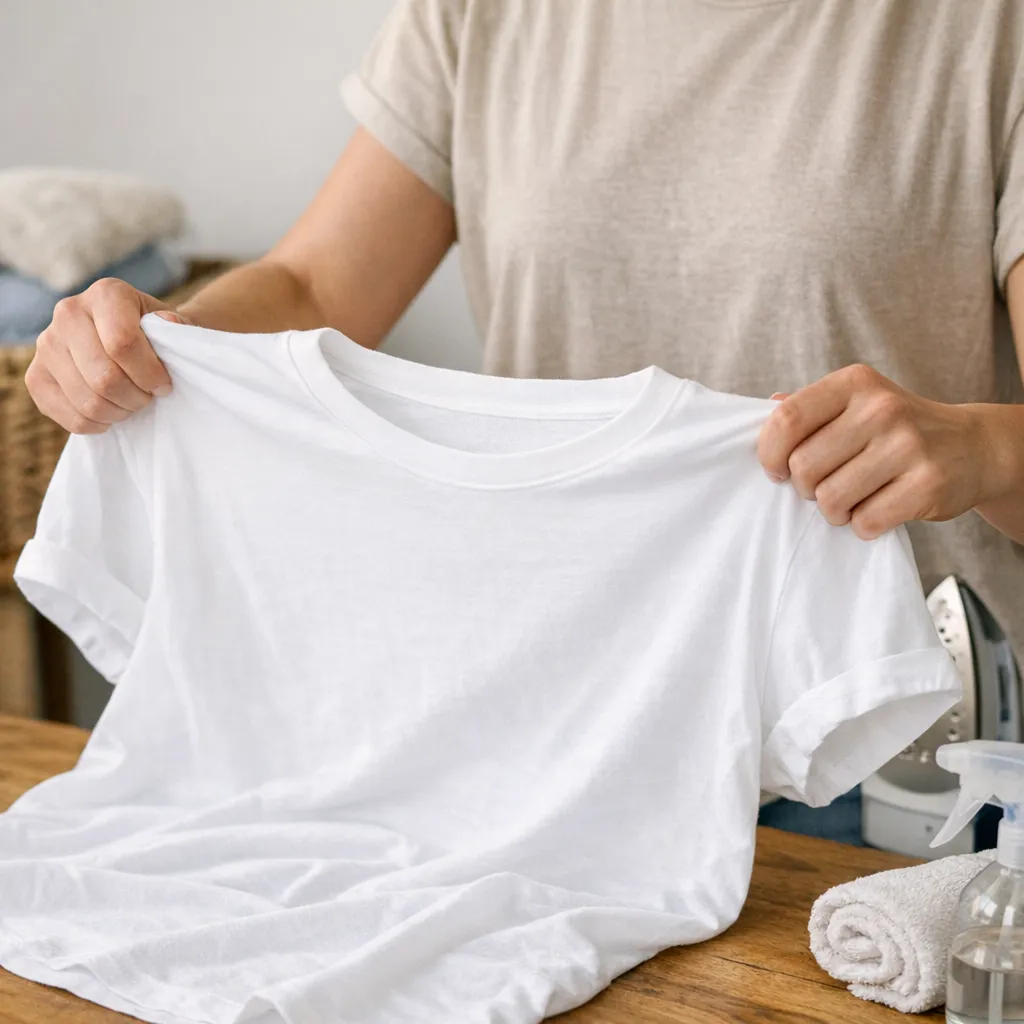
What you need before you start
Gathering the right tools and settings before washing a cotton T shirt helps protect fiber integrity and keeps the garment from shrinking. When you have cold water, a gentle detergent, and a plan for air drying, you reduce the chances of contraction and fiber damage. Clear preparation also speeds up the wash, gives consistent results, and makes reshaping easier while the fabric is damp. Following these prerequisites sets the stage for a predictable, shrink resistant wash routine.
Before you start, make sure you have:
- Care label with washing instructions
- Cold water source capable of delivering 60 to 80 Fahrenheit
- Mild detergent suitable for cold water
- Washing machine with a gentle or delicate cycle
- Option for air drying on a rack or line
- Low heat or brief tumble dry option
- Space to lay flat or use a drying rack for reshaping
- Stain remover or mild pre treatment for spots
- Means to pre soak new shirts in cold water
- Clothes that can be sorted by color and weight
- Closable zippers and turned inside out shirts
- Measuring tools to avoid using too much detergent
Take Action: Wash a Cotton T Shirt Without Shrinking
Prepare for a reliable wash routine that protects fiber integrity and keeps your cotton tee from contracting. The plan emphasizes cold water, a gentle cycle, and mindful drying, followed by reshaping while damp. By handling the fabric with care and avoiding aggressive washing or high heat, you keep size and shape stable across washes. Follow the steps closely to achieve reliable results with everyday laundry and preserve color, softness, and fit without guesswork.
-
Check care label
Inspect the garment's care instructions before washing to confirm safe temperature and drying guidance. This helps prevent heat exposure that can shrink fibers.
How to verify: You have noted the recommended temperature and drying method.
Common fail: Ignoring the label leads to heat exposure that can shrink fibers.
-
Pre soak new shirts
Soak new cotton shirts in cold water to hydrate fibers and reduce future contraction. Swish gently and avoid hot water.
How to verify: The garment has softened evenly and shows no signs of excess wrinkling after soak.
Common fail: Skipping the pre soak or using warm water.
-
Sort by color and weight
Separate dark from light items and lighter shirts from heavier ones. Turn inside out and close zippers to minimize abrasion.
How to verify: Items are properly sorted and prepped for washing without risk of dye transfer.
Common fail: Mixing heavy items with light ones can cause abrasion and shape distortion.
-
Wash on gentle cold
Run a gentle or delicate cycle using cold water and a mild detergent. Avoid fabric softeners and optical brighteners for colored cotton.
How to verify: The wash completes without high agitation or heat exposure.
Common fail: Using hot water or harsh detergents.
-
Dry with minimal heat
Remove promptly and air dry on a rack or line, or use a brief low heat cycle if necessary. Avoid prolonged heat exposure.
How to verify: The garment dries evenly with no heat-induced distortion.
Common fail: Overdrying or high heat setting.
-
Reshape while damp
Lay the shirt flat on a towel or use a drying rack and gently reshape to original dimensions, smoothing seams as needed.
How to verify: The garment holds its intended silhouette as it dries.
Common fail: Reshaping after completely dry or when fibers are stiff.
-
Inspect fit after drying
Try on or compare measurements to the original. If needed, repeat reshaping while damp before final air dry.
How to verify: The fit remains true after drying and across subsequent wears.
Common fail: Not checking fit or over-reshaping.
-
Repeat with consistency
Maintain the cold water, gentle cycle, and air dry routine for future washes to sustain the size and shape.
How to verify: Re-washes produce the same result without shrinkage.
Common fail: Inconsistent methods that introduce heat or agitation.
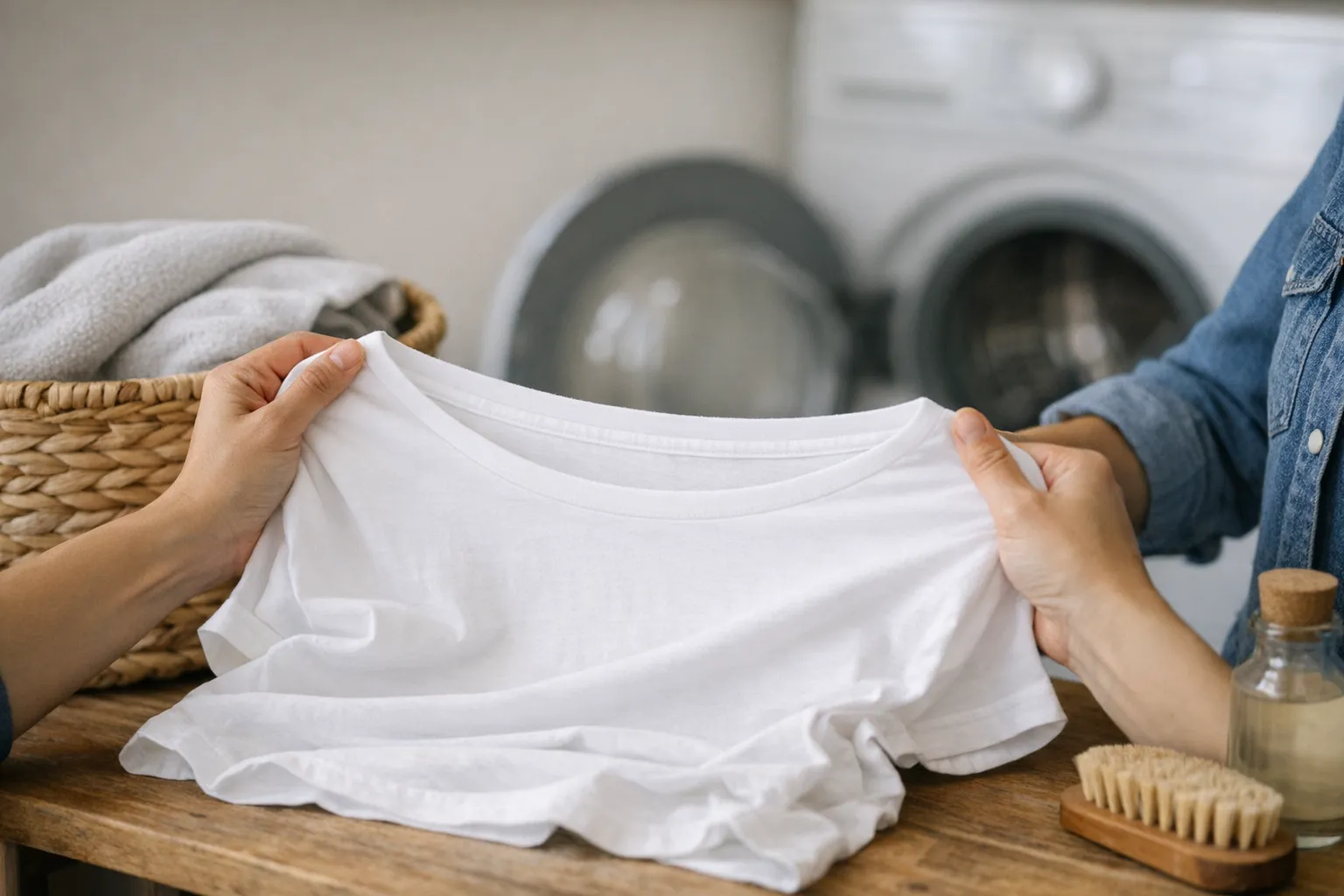
Verification results for shrink free washing
Use this verification section to confirm your cotton T shirt will hold its size and shape after washing. After the final dry, compare the garment to its pre wash measurements or try it on to ensure a proper fit. Look for even texture, consistent color, and no signs of distortion in the seams. If results repeat when you re wash under the same conditions, you can trust the routine. Document any variation to refine your process for future loads.
- Final size matches the pre wash size
- Fit remains consistent when worn or measured
- Colors are vibrant with no dye transfer
- Fabric feels soft and breathable, not stiff
- Seams lie flat with no curling at edges
- No pilling or fraying after washing
- Shape is preserved after a follow up wash under similar conditions
- Care label guidelines were followed throughout the process
| Checkpoint | What good looks like | How to test | If it fails, try |
|---|---|---|---|
| Size preservation | Size remains within original measurements | Compare measurements or try the garment on after drying | Repeat washing with stricter cold wash and reshape while damp |
| Color and print integrity | Color looks the same, no dye transfer | Check against pre wash photo or sample | Wash with colors separately and avoid optical brighteners |
| Texture and softness | Soft, flexible fabric, no stiffness | Run hand over fabric and inspect for smoothness | Increase rinse time or shorten drying duration |
| Seams and edges | Seams flat, no curling | Inspect along seams when laid flat | Reshape while damp and avoid high heat |
| Consistency across washes | Results repeat in subsequent washes | Repeat same method with similar garment | Standardize routine and settings for future loads |
Troubleshooting shrink issues in cotton T shirts
When a cotton T shirt still shows signs of shrinking, it helps to diagnose the cause quickly and apply a precise fix. This quick guide walks through common symptoms, explains why they happen, and provides actionable steps to stop further shrinkage. By identifying the exact issue and adjusting washing or drying steps, you can preserve size, fit, and fabric feel across future loads.
-
Symptom:
Garment shrinks after washing despite following a cold wash
Why it happens: Heat exposure during washing or drying, overloading the machine, or ignoring the care label can contract fibers.
Fix: Switch to a true cold wash on a gentle cycle, reduce load size, use minimal detergent, and avoid high heat in the dryer. Reshape while damp and air dry whenever possible.
-
Symptom:
Shrinkage occurs unevenly across the garment
Why it happens: Uneven tension from mixing heavy and light items or overloading the washer can cause irregular contraction.
Fix: Sort by weight, wash similar fabrics together, and avoid overloading the drum. Distribute items evenly in the washer and reshaped damp.
-
Symptom:
Seams curl or edges distort after drying
Why it happens: High heat or uneven drying creates tension that pulls seams out of shape.
Fix: Remove promptly, dry on low heat or air dry, and reshape while damp to restore straight edges.
-
Symptom:
Fabric feels stiff or brittle after drying
Why it happens: Overheating or excessive agitation can dull fibers and reduce softness.
Fix: Use shorter drying cycles on low heat or air dry, then re-wash with extra rinse and avoid fabric softeners for cotton.
-
Symptom:
Zipper tape or nearby seams appear puckered or wavy
Why it happens: Shrinkage near reinforced areas can pull on tape and stitching.
Fix: Close zippers before washing, avoid overheating, and reshape damp to relax the fabric around the zipper.
-
Symptom:
Colors fade or dye transfers after a shrink event
Why it happens: Dye not fully set or friction during washing can cause color loss or transfer when fibers constrict.
Fix: Use a mild detergent without optical brighteners, wash colors separately, and stick to cold water and gentle cycles.
-
Symptom:
New shirts show repeated shrinkage after multiple washes
Why it happens: Some cottons release natural shrinkage during initial cycles, especially untreated or high-tiber fabrics.
Fix: Pre soak new shirts in cold water for 24 to 48 hours before first wash, then maintain a cold gentle routine and reshape damp to set size.
Next questions about washing cotton T-shirts
- Can cold water really prevent shrinking? Yes. Cold water minimizes fiber contraction, especially with a gentle cycle and a mild detergent, helping keep the size stable over multiple washes.
- Should I pre soak new cotton shirts? Yes. Pre soaking in cold water for 24 to 48 hours hydrates fibers and reduces future shrinkage, particularly for 100 percent cotton.
- Is air drying strictly better than a dryer? Air drying avoids heat that causes shrinkage, use a drying rack or line. If you must use a dryer, choose a very low heat setting and remove while slightly damp.
- Why turn shirts inside out before washing? Turning inside out protects prints and colors from abrasion and helps prevent surface wear and pilling.
- Can I mix whites and colors in the same wash? It’s best to sort by color to prevent dye transfer and maintain whites, keeping lights separate from darks.
- What detergent should I use? Use a mild plant-based detergent without optical brighteners or harsh additives and use only the amount you need.
- How do I reshape a shirt after washing? While damp, lay the shirt flat on a towel or drying rack and gently pull back to its original shape, avoid pulling when the fabric is dry.
- Is it okay to use fabric softeners on cotton? No. Fabric softeners can leave residue and reduce fiber performance over time, skip them for cotton shirts.
Common questions about shrinking cotton T-shirts
-
Can cold water really prevent shrinking?
Yes. Cold water reduces fiber contraction compared to hot water and keeps dyes stable, especially when used with a gentle cycle and a mild detergent. It slows molecular movement that leads to shrinkage and minimizes agitation that can stretch fabrics. For best results, pair cold washing with prompt reshaping while damp and air drying.
-
Should I pre soak new cotton shirts?
Yes. Pre soaking new cotton shirts in cold water allows fibers to hydrate before agitation, which reduces the amount of contraction that occurs during subsequent washes. Keeping water cold and soaking for a full day or two helps fibers settle and relax. After soaking, proceed with a gentle cold wash and reshape while damp.
-
Is air drying strictly better than a dryer?
Air drying is generally better because it avoids heat that can shrink and distort fibers. Lay garments on a drying rack or line until fully dry, reshaping while damp. If you must use a dryer, choose the lowest heat setting and remove items while they are still slightly damp to minimize fiber contraction.
-
Why turn shirts inside out before washing?
Turning shirts inside out reduces surface abrasion on the outer fabric and protects prints, logos, and color from friction in the washer. It also helps fiber surfaces relax more evenly during agitation, which can lessen fibers' tendency to shrink or warp around the edges. Combine with zippers closed and fasten buttons.
-
Can I mix whites and colors in the same wash?
It's best to sort by color and wash whites separately from colors to prevent dye transfer. Even though a cotton tee may be resilient, mixing dark and light items can cause dye to rub off, fading hues and potentially affecting fit if fibers relax differently. Keep loads uniform in color for consistency.
-
What detergent should I use?
Choose a mild, plant-based detergent that cleans effectively at cold temperatures and avoids optical brighteners and heavy additives that can irritate fabric. Use only the recommended amount to prevent residue that can stiffen fibers. If the garment is new, consider a detergent designed for sensitive skin.
-
How do I reshape a shirt after washing?
Reshape while damp to set the size and silhouette. Lay the shirt flat on a clean towel or drying rack, gently tug at the edges and seams to restore the original dimensions, and smooth across the chest and sleeves. Let it finish drying flat to prevent distortion.
-
Is it okay to use fabric softeners on cotton?
Avoid fabric softeners on cotton tees because they can leave a waxy film that reduces breathability and hampers moisture wicking. They can also interact with dyes and cause stiffness. If you want extra softness, skip them and rely on a gentle detergent and air drying to preserve fabric integrity.