
To make clothes last longer, follow a simple, repeatable routine that combines smart storage with thoughtful folding. Start by ensuring every item is clean and completely dry, then decide hang versus fold based on fabric type. Hang rigid fabrics on sturdy, non‑slip hangers to maintain shape, fold stretchy pieces and store flat or rolled to minimize creases. Vacuum-pack seasonal items to save space, and place moth-deterrent materials such as cedar with stored garments. Use labeled containers or bags to reduce friction and keep items easy to locate. Keep the storage area dry, well ventilated, and free of pests, while performing regular inspections for moisture or wrinkles. With this straightforward approach, you’ll protect fibers, save space, and simplify wardrobe upkeep. Keyword: How to make clothes last longer: storage and folding.
This is for you if:
- You store clothes seasonally or long-term and want to reduce creasing, moth damage, and wear.
- You have a dry, ventilated storage space and basic storage supplies (hangers, bags, containers).
- You prefer a simple, repeatable method balancing hanging and folding by fabric type.
- You want space-saving techniques like vacuum packing for off-season items and cedar deterrents.
- You want periodic storage checks to catch moisture, pests, or wrinkles early.
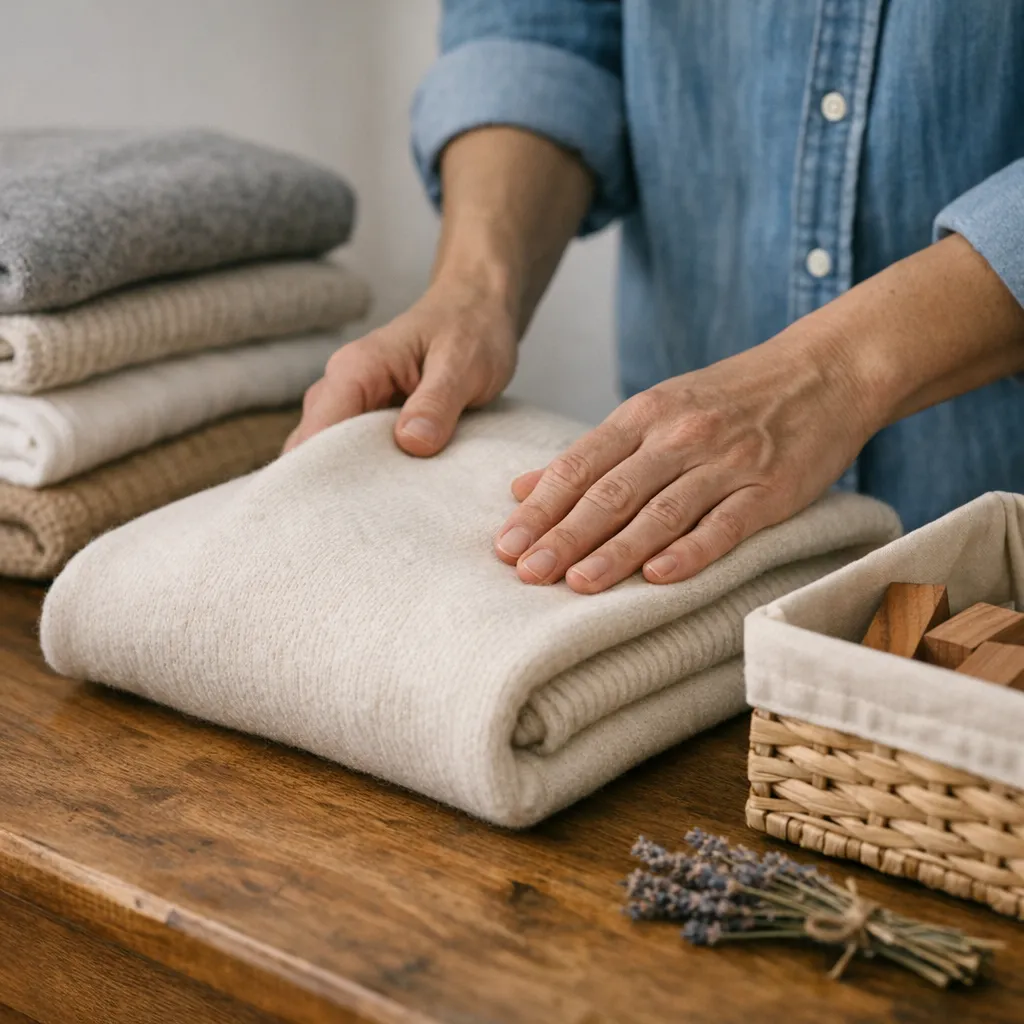
Effective prerequisites for durable clothes storage and folding
Prerequisites matter because they set the foundation for an effective, repeatable system. When garments are clean and completely dry, and storage space stays dry and ventilated, fabrics resist mildew, wrinkles, and pests. Having the right tools-sturdy hangers, breathable bags, and space-saving options-helps you fold and store with less effort and more confidence. Planning inspections and labeling ahead of time keeps drawers organized and makes long-term wardrobe care simpler and more consistent.
Before you start, make sure you have:
- Clean, completely dry garments
- Dry storage space that is dry and well ventilated
- Sturdy, appropriate hangers (not wire)
- Breathable storage bags or containers
- Vacuum packing options for seasonal items
- Cedar balls or other moth-deterrent materials
- Clear labeling and organizers to separate items
- Storage containers or drawers to keep items organized
- Labels or markers for indexing contents
- A plan to inspect storage periodically
- SKUBB storage boxes for organizing underwear and small items
- A folding or rolling plan tailored to fabric types
Take Action: Step-by-Step Storage and Folding
The step-by-step procedure below guides you through a practical, repeatable routine for long-term garment care. It emphasizes drying, choosing the right method for each fabric, space-saving packing, and ongoing maintenance. Expect to dedicate focused hands-on time, then perform quick checks as you put items away to protect fibers, reduce creases, and deter pests. This approach keeps wardrobes durable and easy to access without overhauling your storage space.
-
Dry Clothes Thoroughly
Run through your garments, wash as needed, and ensure complete dryness. Fluff and air-dry in a well-ventilated area until there is no dampness or odor. This reduces mildew risk and keeps fabrics from stiffening during storage.
How to verify: Fabrics feel completely dry to touch and smell clean.
Common fail: Damp items mold and create odors.
-
Decide Hang vs Fold by Fabric Type
Group fabrics by rigidity and stretch, hang stiff fabrics on sturdy hangers, fold stretchy or knit items to minimize stretching. Avoid overloading storage spaces, which causes extra creases. Keep delicate fabrics stored flat or rolled when needed.
How to verify: Each item has an explicit method (hang or fold) and shows minimal creasing.
Common fail: Using the wrong method leads to warped shapes or deep creases.
-
Hang Rigid Fabrics on Sturdy Hangers
Place rigid fabrics on thick, non-slip hangers so the shoulders hold shape. Ensure the hangers fill the garment’s width without pulling at seams. Avoid wire hangers that can leave puckers.
How to verify: Shoulders maintain natural contour without warped lines.
Common fail: Wire or thin hangers cause shoulder distortion.
-
Fold Stretchable Fabrics, Roll Knits for Space
Fold items to minimize crease, roll knits where appropriate to save space without compressing fibers. Stack carefully to prevent deep folds. If you prefer hanging, use a gentle approach with wider surfaces to avoid stretching.
How to verify: Folds remain flat and knit fabrics show few creases after moving items.
Common fail: Overfolding or tight rolling creates wrinkled, stiff fabric.
-
Vacuum-Pack Seasonal Items
Vacuum pack to save space, follow bag instructions to avoid over-compression of delicate fibers. Label bags with contents and season for easy retrieval. Store in a dry location away from moisture.
How to verify: Bags seal tightly and space is noticeably reduced.
Common fail: Over-pressing delicate fabrics damages texture.
-
Place Cedar or Other Moth-Deterrents
Place cedar or alternative deterrents with stored items to deter pests. Avoid direct contact with very delicate surfaces. Check deterrents periodically for scent and effectiveness.
How to verify: No signs of moth activity and intact deterrents.
Common fail: Deterrents lose potency or aren’t positioned effectively.
-
Store in Dry, Protected Space Using Containers
Store items in dry, protected spaces using containers to reduce friction and allow air flow. Keep containers off the floor and away from damp walls. For organizing small items, SKUBB boxes can help. Source
How to verify: Items stay organized and drawers or shelves stay dry.
Common fail: Poorly ventilated containers trap moisture and cause mildew.
-
Periodically Inspect Stored Garments
Schedule regular checks for moisture, pests, and wrinkles. Reassess packing if you notice dampness or signs of wear. Adjust space or methods as needed to maintain fabric integrity.
How to verify: No new moisture, pests, or creases detected during inspection.
Common fail: Missed checks allow damage to go unnoticed.

Verification: Confirming Long-Term Garment Care Success
Verification confirms that the storage and folding routine actually protects fabrics over time. After completing the steps, inspect both the garments and the space for dryness, organization, and pest control. Confirm that items can be retrieved easily without needing to re-fold or re-pack. Check that storage remains dry and ventilated, that deterrents stay in place, and that creases stay minimal. A successful verification shows consistent results across seasons and makes wardrobe maintenance predictable and hassle-free.
- All garments are clean and completely dry before storage
- Storage space remains dry, ventilated, and free of musty odors
- Hangers are sturdy and used correctly, no wire hangers
- Folded items lie flat with minimal creasing, knits rolled where appropriate
- Seasonal items are vacuum packed with proper seals
- Moth deterrents are present and functioning with stored items
- Containers and bags prevent friction and keep items organized
- Items are easy to retrieve and grouped by type/length
- Periodic inspections reveal no moisture or pest activity
- No new wrinkles or distortion after storage and retrieval
- Storage area remains free from musty odors and dampness
| Checkpoint | What good looks like | How to test | If it fails, try |
|---|---|---|---|
| Drying check | Fabrics are completely dry and odor-free | Touch and sniff tests, ensure no damp patches | Re-dry items in a well-ventilated area until completely dry |
| Hang vs fold accuracy | Each item has a clear method, minimal creasing | Inspect a sample of items after storage | Reassign method per fabric type and adjust guidelines |
| Hanger integrity | Shoulders maintain natural contour, no puckering | Visual check and light tug test on a few shoulders | Switch to thicker hangers, avoid overloading |
| Folding creases | Folds remain flat, knits show few creases | Check edges and fold lines for persistence | Re-fold with gentler stacking or different folding technique |
| Vacuum packing | Seals intact, space savings evident | Inspect seal and bag for air pockets | Release some air and reseal, avoid over-compression |
| Moth deterrents | No signs of moth damage, deterrents in place | Inspect fabrics for holes, check cedar or other materials | Reposition or replace deterrents as needed |
| Storage environment | Dry, clean area with good airflow | Feel the space, check for dampness or mustiness | Improve ventilation or add dehumidification |
Troubleshooting: Quick Fixes for Storage and Folding Issues
When storage results aren’t perfect, use targeted, actionable steps to restore order and protect fabrics. This quick guide helps you identify common symptoms, understand why they occur, and apply precise fixes that improve dry conditions, reduce creasing, and deter pests. By addressing issues promptly, you keep your wardrobe in better shape between seasons and make future storage easier.
-
Symptom:
Damp or musty garments after storage
Why it happens: Garments are not fully dry and the storage space is damp or poorly ventilated.
Fix: Re-dry garments in a well‑ventilated area and improve storage ventilation with fans or a dehumidifier, ensure the space is dry before returning items.
-
Symptom:
Persistent wrinkles or deep creases after retrieval
Why it happens: Overpacking and heavy stacking, folding method not suited to the fabric.
Fix: Re-pack with lighter stacking and re-fold using a fabric-aware method, avoid overpacking drawers or shelves.
-
Symptom:
Hanger marks or shoulder distortion
Why it happens: Wire or thin hangers and insufficient shoulder support for heavier items.
Fix: Use sturdy, wide hangers, ensure shoulders are fully supported and avoid overloading any single hanger.
-
Symptom:
Neck labels show wear or tearing
Why it happens: Hanging garments by the neck area causes friction and stress.
Fix: Hang from the garment’s center or fold those pieces, avoid pulling the neck through hangers.
-
Symptom:
Moth holes or signs of damage
Why it happens: Insufficient deterrents and a storage environment susceptible to moth activity.
Fix: Introduce cedar balls or approved moth deterrents and inspect regularly, replace deterrents as needed.
-
Symptom:
Vacuum bags not sealing or over-compression
Why it happens: Using the wrong bag size or excess compression on delicate fabrics.
Fix: Choose the correct bag size and follow sealing instructions, avoid over-compressing delicate fibers.
-
Symptom:
Items topple or feel unstable in drawers
Why it happens: Deep, unsegmented drawers and lack of supporting dividers.
Fix: Add dividers or SKUBB boxes to stabilize upright stacks. Source
-
Symptom:
Persistent musty odors in the storage area
Why it happens: Inadequate airflow and lingering moisture in the storage space.
Fix: Increase ventilation, use a dehumidifier, and refresh cedar deterrents regularly.
Reader Questions: Storage and Folding for Longevity
- What’s the simplest starting point for long-term garment storage? Ensure garments are clean and completely dry, then store them in a dry, ventilated space. Sort by fabric type and decide hang vs fold to minimize creasing.
- How do I decide between hanging and folding? Hang rigid fabrics on sturdy hangers to preserve shape and avoid shoulder puckering, fold stretchy or knit items to prevent stretching and creases.
- What are effective moth deterrents? Use cedar balls or other approved deterrents with stored items and keep the storage space dry. Check deterrents periodically and replace as needed.
- Is vacuum packing safe for all garments? Vacuum packing saves space and protects off-season items, but avoid over-compressing delicate fabrics and ensure bags are properly sealed.
- What storage containers work best? Choose breathable bags or containers and use dividers to prevent friction and creasing. Keep items off the floor and organized by category.
- How often should I inspect storage? Perform periodic checks for moisture, pests, and wrinkles and adjust setup as needed.
- How can I minimize creasing? Fold carefully, roll knits when appropriate, avoid overstacking, and use organizers to keep items upright.
- What about seasonal items? Vacuum pack seasonal items to save space, label contents, and refresh moth deterrents before re-stowing.
People Ask Next: Storage and Folding for Longevity
- What’s the simplest starting point for long-term garment storage? Start with clean, completely dry clothes and place them in a dry, well-ventilated space. Group items by fabric type and decide hang vs fold to minimize creases, so your wardrobe stays organized and ready for seasonal reuse.
- How do I decide between hanging and folding? Hang stiff fabrics on sturdy hangers to preserve shape and avoid shoulder puckering, fold stretchy or knit items to prevent stretching and deep creases. Test a small batch first if you’re unsure.
- What are effective moth deterrents? Use cedar balls or approved deterrents with stored items and keep the space dry. Check deterrents regularly and replace as needed to maintain protection.
- Is vacuum packing safe for all garments? Vacuum packing saves space for seasonal items, but avoid over-compressing delicate fabrics. Ensure seals are tight and not overly squeezing fabrics.
- What storage containers work best? Choose breathable bags or containers and use dividers to prevent friction. Keep items off the floor and label contents for quick retrieval.
- How often should I inspect stored clothes? Perform periodic checks for moisture, pests, and wrinkles and adjust setup as needed. Address any issues promptly to protect fibers over time.
- How can I minimize creasing when storing? Fold carefully, avoid overstacking, and roll knits where appropriate. Use organizers to keep items upright and visible for easy access.
- What about seasonal items? Vacuum pack seasonal items to save space, label contents, and refresh moth deterrents before re-stowing. Rotate items as needed to refresh fabrics.
- Should I label stored items? Yes, label by contents and season to speed retrieval and maintain order. Update labels when wardrobe changes.