
Keeping dark clothes from fading in the wash comes down to a handful of consistent habits that protect colour at every stage of the laundry process. Before you load the machine, check the care label on each garment, turn every item inside out, and sort your dark clothes away from lighter fabrics. From there, use cold water, a short or delicate cycle, and a non-bio or plant-based detergent measured to the correct dose. Once the cycle finishes, hang your clothes to air dry in a shaded spot and keep them out of direct sunlight. Follow these steps each time you do a dark load and your black and deep-coloured garments will hold their richness wash after wash, staying sharper and lasting longer without extra effort.
This is for you if:
- You own black or dark coloured clothing and want to stop it fading prematurely
- You use a washing machine at home and want to get your settings right for dark fabrics
- You have noticed your dark clothes looking dull, washed out, or uneven after laundering
- You want to know which detergent types are safest for dark and black garments
- You are unsure how to sort, prepare, and dry dark clothes to protect their colour
- You want to extend the life of your wardrobe and wash dark items less often without sacrificing freshness
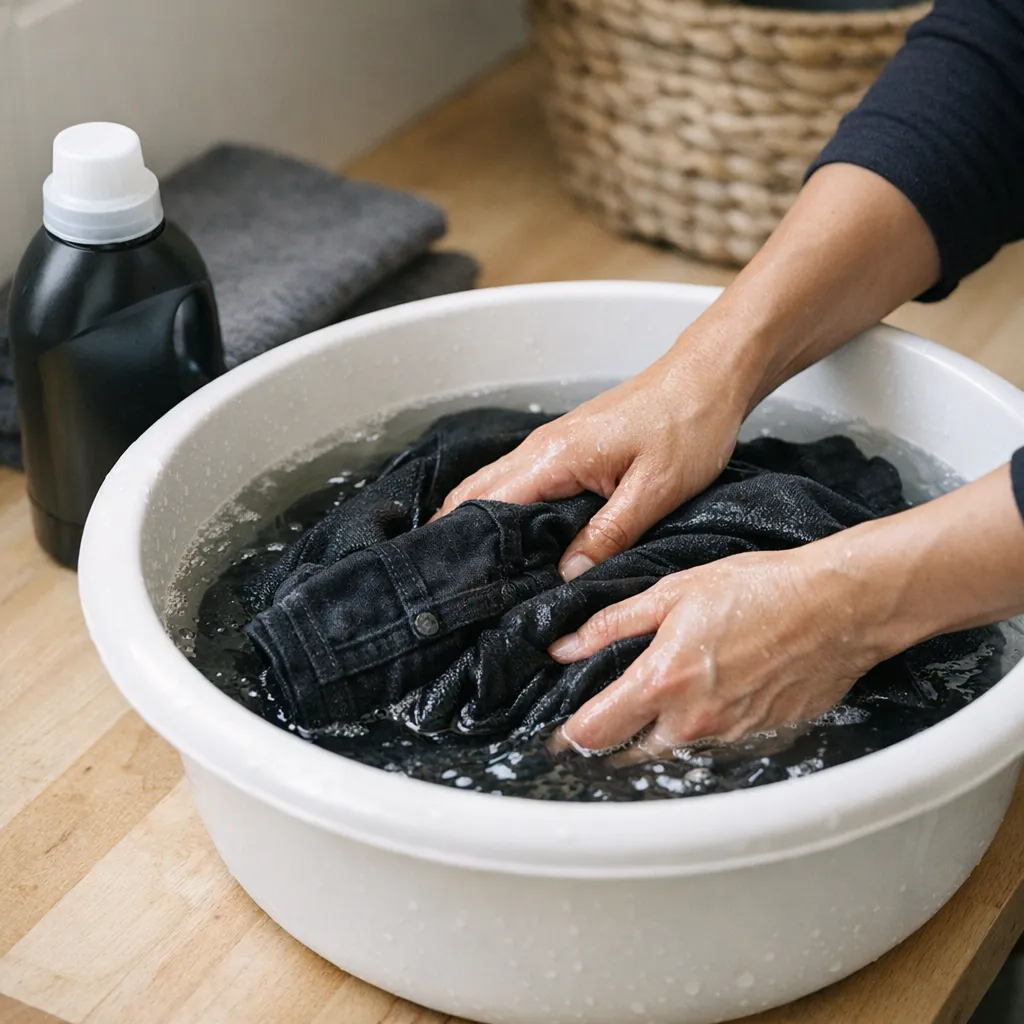
What You Need Before You Start
Getting your preparation right before a single item goes into the drum makes the biggest difference to how well your dark clothes hold their colour over time. Skipping steps like checking care labels or grabbing the wrong detergent can undo everything else you do correctly. Having the right tools and information ready before you begin means the process runs smoothly and your dark fabrics get the protection they need from the very first wash.
Before you start, make sure you have:
- All dark and black garments you plan to wash gathered in one place
- Access to the care label on every garment so you can check wash instructions before loading
- A washing machine with a cold water setting and a short or delicate cycle option
- A mesh laundry bag or delicates bag for fragile items and anything with hooks or fastenings
- A non-bio or plant-based laundry detergent that is suitable for dark and black fabrics
- A measuring cup or guidance on the correct detergent dosage for your machine and load size
- A clear method for sorting clothes into piles by colour, fabric type, and weight before washing
- A designated drying area away from direct sunlight where items can hang or lay flat to dry
- Hangers or a drying rack suitable for air drying garments without distorting their shape
- A tumble dryer with a low heat setting if you plan to machine dry any items
- A separate pile or load plan for heavy fabrics such as denim, which should not be mixed with lighter dark garments
- A fabric mist or garment refresher spray for refreshing dark clothes between washes
- A bag for trainers or sneakers if any footwear will be included in the wash load
How to Keep Dark Clothes from Fading in the Wash: Step by Step
This process does not require any special equipment beyond what most households already have. The steps take only a few extra minutes of preparation before you start the machine, but that preparation is where colour protection actually happens. Pay the most attention to your settings, your detergent choice, and how you dry your clothes at the end. Done consistently, these habits will extend the life of every dark garment in your wardrobe significantly.
-
Read every care label before sorting or loading
Pick up each garment and locate its care label before it goes anywhere near the machine. The label tells you whether the item is machine washable, what temperature is safe, and whether it needs a delicate cycle or specialist handling. Some dark fabrics, particularly those made from silk, wool, or heavily embellished materials, are not suitable for machine washing at all. If a label says dry clean only or hand wash only, set that item aside and treat it separately.
How to verify: Every item in your planned load has a checked care label confirming it is safe to machine wash.
Common fail: Skipping care labels is one of the most common causes of irreversible fabric damage and shrinkage on the first wash.
-
Sort clothes by colour, fabric type, and weight
Separate your laundry into distinct piles before anything goes into the drum. Keep dark and black items together and away from whites and light colours to prevent dye transfer. Within your dark pile, separate heavier fabrics like denim and towels from lighter garments, as mixing them causes abrasion that wears down colour on finer fabrics. Delicate items should be identified at this stage and set aside to go into a mesh bag in the next step.
How to verify: You have a clear dark pile free from light coloured items, with heavy fabrics separated out into their own load.
Common fail: Mixing a single forgotten light item with a dark load is enough to cause visible dye transfer across multiple garments.
-
Turn garments inside out and bag delicates
Turn every dark item inside out before placing it in the drum. This simple step means the outer surface of your clothing faces away from the drum walls and other items during the wash, which dramatically reduces the surface friction that causes fading over time. Place any delicate items, garments with zips, and anything with hooks or metal fastenings inside a mesh laundry bag before loading. If you are washing trainers or sneakers alongside clothing, bag those separately too.
How to verify: All garments are inside out, delicates are in a mesh bag, and no exposed fastenings are loose in the drum.
Common fail: Unwrapped metal fastenings can snag and pull fibres from other items throughout the entire cycle.
-
Set the machine to cold water and a short cycle
Select the coldest water temperature available on your machine before starting. Warm or hot water opens up fabric fibres and accelerates the release of dye, which is the primary mechanical cause of fading in dark clothes. Pair the cold water setting with the shortest available cycle or a dedicated delicate setting to minimise the amount of time your dark garments spend agitating in water. If your machine has a soil level option, select light soil for a standard dark load.
How to verify: The machine display confirms a cold temperature setting and a short or delicate cycle before you move to the next step.
Common fail: Accidentally leaving the machine on a previously used warm setting is an easy mistake that causes noticeable fading after just a few washes.
-
Choose a detergent suited to dark fabrics
Reach for a non-bio or plant-based detergent rather than a standard biological formula. Biological detergents contain enzymes designed to break down stains aggressively, and those same enzymes can degrade the fibres and dyes in dark clothing over repeated washes. Non-bio and plant-based formulations clean effectively while being gentler on colour. Some detergents are specifically labelled for dark or black fabrics and contain ingredients that help maintain depth of colour. At LESH , dark wardrobe staples are designed to be worn and cared for over the long term, and choosing the right detergent is one of the simplest ways to protect that investment.
How to verify: The detergent you are using is labelled non-bio, plant-based, or suitable for dark and coloured fabrics.
Common fail: Using a standard bio detergent because it is already in the house is one of the most common and least obvious causes of gradual fading.
-
Measure detergent accurately and avoid overdosing
Read the dosage guidance on your detergent packaging and measure the correct amount for your load size and machine type. Using more detergent than recommended does not clean clothes more thoroughly. Instead, excess detergent creates surplus suds that the rinse cycle cannot fully remove, leaving residue on fabric that traps dirt and makes dark clothes appear dull and faded even when they are technically clean. Less is genuinely more when it comes to washing dark fabrics.
How to verify: The amount of detergent you have added matches the recommended dose for your load, with no excess poured in.
Common fail: Estimating detergent by eye rather than measuring consistently leads to overdosing and residue buildup across multiple washes.
-
Verify all settings one final time before pressing start
Before starting the cycle, take a moment to confirm your temperature is cold, your cycle is short or delicate, and your load is balanced inside the drum. This check takes under a minute and prevents the frustration of running a full hot or long cycle by mistake. If your machine has a pre-set memory from a previous wash, it may have defaulted back to a different program without you noticing. A final check is your last line of defence before the cycle begins.
How to verify: Temperature, cycle length, and soil setting all match your intended selections on the machine display.
Common fail: Trusting that the machine is still set from last time without checking is a frequent cause of accidental hot washes on dark loads.
-
Remove clothes promptly when the cycle ends
Take your dark garments out of the drum as soon as the cycle finishes. Leaving wet clothes sitting in a closed drum allows colours to transfer between items and creates conditions for odour to develop in the fabric. Prompt removal also means garments come out with fewer creases, which reduces the need for heat-based ironing that can further stress dark fibres. Shake each item out gently before hanging to help it return to its natural shape.
How to verify: All items are removed from the drum immediately after the cycle ends and are ready to hang or dry without sitting wet.
Common fail: Leaving a finished load in the machine for several hours is one of the most overlooked causes of colour transfer and musty smelling dark garments.
-
Dry dark clothes away from heat and direct sunlight
Hang your dark garments to air dry in a shaded indoor or outdoor spot where direct sunlight cannot reach them. UV exposure is one of the fastest ways to fade dark and black fabric, and even a single drying session in full sun can visibly lighten colour. If you need to use a tumble dryer, keep items inside out, select the lowest heat setting available, and remove them while still slightly damp to finish drying flat or on a hanger. Lay structured garments flat to preserve their shape.
How to verify: Clothes are hanging or laid flat in a shaded area with no direct sunlight exposure, or the dryer is confirmed to be on a low heat setting.
Common fail: Hanging dark clothes on an outdoor line in full afternoon sun to speed up drying is one of the quickest ways to permanently lighten the colour.
-
Refresh garments between washes to reduce wash frequency
Not every wear requires a full machine wash. Dark clothes, particularly structured pieces, knitwear, and outerwear, benefit from being aired out and refreshed between uses rather than washed after every single wear. Use a fabric mist or garment refresher spray to neutralise light odours and keep items feeling fresh without putting them through the machine. Washing dark clothes only when genuinely necessary is one of the most effective long-term strategies for preserving their colour depth and fabric integrity. Well-made dark pieces from brands like LESH are built to last, and reducing unnecessary wash cycles is one of the best ways to honour that quality.
How to verify: Garments that do not need a full wash are hung to air out or refreshed with a fabric mist rather than being placed straight into the laundry pile.
Common fail: Defaulting to washing dark clothes after every single wear out of habit accelerates fading far faster than necessary.

How to Know Your Dark Clothes Are Being Protected Properly
The best way to confirm this process is working is to compare how your dark garments look and feel after several washes compared to when you first bought them. Colour should remain deep and consistent across the entire surface of the fabric, with no patches of uneven fading or a grey, washed-out appearance. Fabric should feel soft and intact rather than rough or pilled. Use the checklist and table below to run a quick verification after each wash until these habits become second nature.
- Every garment came out of the machine with the same depth of colour it went in with
- No dye transfer is visible on any item in the load
- Fabric feels soft and smooth rather than stiff, rough, or coated with residue
- There are no visible patches of uneven colour or lightening on any garment surface
- Items were dried in a shaded spot with no direct sunlight exposure
- No garment shrank, distorted, or lost its shape during washing or drying
- Detergent was fully rinsed out with no visible suds or soapy residue remaining on fabric
- Delicate items and those with fastenings came out undamaged and without snagging
- Items washed on a cold, short cycle feel as clean as those washed on longer or warmer settings
- Garments refreshed with a fabric mist between washes still smell fresh and look presentable without needing a full wash
| Checkpoint | What good looks like | How to test | If it fails, try |
|---|---|---|---|
| Colour consistency after washing | Fabric looks the same depth of colour across the entire surface with no patchy or uneven areas | Hold the garment up in natural light and check for any lighter patches or surface dulling compared to unworn areas like seams | Switch to a colder water setting, reduce cycle length, and confirm you are using a non-bio or dark-fabric detergent |
| No dye transfer between garments | Every item in the dark load comes out the same colour it went in with no colour picking up from other pieces | Check lighter items in the load for any discolouration or dark tinting after the cycle ends | Re-sort your laundry more carefully and ensure no light coloured items are included in a dark load |
| Fabric texture and feel | Garments feel soft, smooth, and free from soapy residue or stiffness after drying | Run your hand across the fabric surface after drying and check for any rough patches or a coated feeling | Reduce detergent dosage to the recommended amount and run an extra rinse cycle to clear any remaining residue |
| No shrinkage or shape distortion | Items fit the same way they did before washing with no tightening, stretching, or loss of structure | Try on or measure a key garment after washing and compare fit to how it wore before | Confirm water temperature is cold, check the care label for any specific drying instructions, and switch to air drying flat if needed |
| Drying conditions | Clothes dried in a shaded area with no direct sunlight and low or no heat exposure | Check the drying location for direct sun at the time of day you are drying, or confirm tumble dryer is on the lowest heat setting | Move drying location indoors or to a fully shaded spot, and reduce tumble dryer heat to the minimum available setting |
| Detergent fully rinsed out | No visible suds, white streaks, or soapy patches remain on fabric after the cycle and drying | Inspect dark garments closely after drying for any white or chalky marks, particularly around seams and folds | Reduce detergent to the correct measured dose and run an additional rinse cycle to remove any trapped residue |
| Delicates and fastenings undamaged | Items washed in a mesh bag come out free from snags, pulls, or fabric damage caused by loose fastenings | Inspect delicate items and those with zips or hooks for any pulled threads, snags, or surface damage after the wash | Ensure all fastenings are closed before washing and confirm delicate items are inside a properly sealed mesh laundry bag |
Troubleshooting: Why Your Dark Clothes Are Still Fading
If your dark garments are still losing colour despite following the basic steps, the cause is almost always one of a small number of fixable mistakes. Most fading problems come down to water temperature, detergent choice, cycle length, or drying conditions. Work through the symptoms below to identify exactly where the process is breaking down and apply the relevant fix before your next wash.
-
Symptom:
Dark clothes look noticeably lighter or greyer after just a few washes.
Why it happens: The water temperature is too high. Warm or hot water opens fabric fibres and causes dye to release far more rapidly than cold water does, producing visible fading within just a handful of wash cycles.
Fix: Check your machine settings before every wash and confirm the temperature is set to the coldest option available. Do not rely on a previously saved setting as machines often revert to a default warm temperature between uses.
-
Symptom:
Fabric feels rough or looks dull even though the colour has not dramatically changed.
Why it happens: Excess detergent is leaving residue on the fabric. When too much detergent is used, the rinse cycle cannot fully clear the suds, and the leftover film coats fibres and makes dark fabric appear flat and lifeless.
Fix: Measure your detergent using the guidance on the packaging rather than estimating by eye. Cut back to the minimum recommended dose for your load size and add an extra rinse cycle to clear any existing buildup from previous washes.
-
Symptom:
Fading is uneven, with some areas of the garment lighter than others.
Why it happens: The garment is being washed right-side out, meaning the outer surface is directly exposed to drum agitation, friction from other items, and the full force of the water and detergent throughout the cycle.
Fix: Turn every dark garment inside out before placing it in the drum. This shifts abrasion to the inner surface of the fabric and protects the visible outer face from direct contact with the drum walls and other items.
-
Symptom:
Dark clothes come out of the dryer with patches of visibly lighter colour.
Why it happens: High heat in the tumble dryer is damaging fibres and accelerating colour loss. Heat causes fibres to contract and release dye, and repeated high-heat drying compounds this effect with every cycle.
Fix: Switch to the lowest heat setting on your tumble dryer and keep dark items inside out during the drying cycle. Where possible, remove items while still slightly damp and finish drying them on a hanger or laid flat to avoid prolonged heat exposure.
-
Symptom:
Clothes dried outdoors are fading faster than those dried inside.
Why it happens: Direct sunlight is bleaching the fabric. UV exposure is one of the most aggressive causes of colour fading in dark garments, and even a single outdoor drying session in full afternoon sun can produce a visible difference.
Fix: Move your drying location to a fully shaded outdoor spot or dry dark clothes indoors entirely. If outdoor drying is necessary, turn items inside out and choose an early morning or late afternoon slot when direct sun intensity is lower.
-
Symptom:
Colour from one garment has transferred onto another item in the same load.
Why it happens: Items were not sorted correctly before washing. A single light or brightly coloured garment mixed into a dark load is enough to cause visible dye transfer across multiple pieces, particularly in warmer water.
Fix: Go back to sorting your laundry carefully into distinct colour piles before every wash. Check each pile a second time before loading to confirm no stray light coloured items have ended up in the dark load.
-
Symptom:
Delicate dark garments are pilling, snagging, or showing surface wear after washing.
Why it happens: Fine or delicate fabrics are being washed loose in the drum without protection, exposing them to friction from heavier items and the drum surface throughout the cycle.
Fix: Place all delicate items inside a mesh laundry bag before loading. Close any zips, hooks, or fastenings on other items in the load to prevent them from catching on fine fabrics during agitation.
-
Symptom:
Dark clothes are fading even though cold water and a short cycle are being used.
Why it happens: The detergent being used contains biological enzymes or harsh chemical compounds that are not suited to dark or coloured fabrics. These ingredients degrade dye bonds gradually even at low temperatures.
Fix: Replace your current detergent with a non-bio or plant-based formula, or one specifically labelled for dark and coloured fabrics. Check the detergent label carefully as some products marketed as gentle still contain enzymes that affect colour over time.
-
Symptom:
Dark clothes are fading faster than expected despite correct wash settings.
Why it happens: Garments are being washed too frequently. Every wash cycle, even a perfectly executed cold short cycle, puts mechanical stress on fabric fibres and gradually releases dye. Washing after every single wear accelerates this process unnecessarily.
Fix: Assess whether each garment genuinely needs a full wash before adding it to the laundry pile. Air dark clothes out between wears and use a fabric mist to neutralise light odours. Reserve machine washing for when items are visibly soiled or genuinely in need of a full clean. Quality dark pieces, including those from LESH, are designed to be worn multiple times between washes without compromising on freshness or appearance.
Questions People Ask Next
- Can you wash black and dark grey clothes together? Yes, dark grey and black can be washed together safely in the same load. Both colours are dark enough that dye transfer between them will not produce any visible difference on either garment.
- How often should you wash dark clothes? Wash dark clothes only when they are visibly soiled or genuinely need cleaning rather than after every single wear. Airing garments out between uses and using a fabric mist to refresh them extends the time between washes and significantly slows fading.
- Is cold water actually enough to clean dark clothes properly? Yes, cold water cleans effectively for everyday soil and light wear. Modern detergents, particularly plant-based formulas, are designed to work at low temperatures and do not require warm water to perform well.
- Does turning clothes inside out really make a difference to fading? It makes a meaningful difference over time. Turning garments inside out shifts friction and drum abrasion away from the visible outer surface, which is where colour loss shows most. The effect compounds across repeated washes.
- What is the best detergent for black clothes? A non-bio or plant-based detergent is the safest choice for dark fabrics. Some detergents are specifically formulated for dark and black garments and include ingredients that help maintain colour depth. Avoid standard biological detergents as their enzymes can degrade dye bonds gradually.
- Should you always air dry dark clothes instead of using a tumble dryer? Air drying in a shaded spot is the gentlest option and puts no heat stress on dark fibres. If a tumble dryer is needed, use the lowest heat setting available and keep items inside out to minimise colour loss from heat exposure.
- Can a fabric mist replace washing for dark garments? A fabric mist can replace washing for garments that are lightly worn and not visibly soiled. It neutralises odours and refreshes the fabric without putting it through a wash cycle, which makes it a practical tool for extending wear between full washes.
- Does the length of the wash cycle affect fading? Yes, longer cycles mean more time agitating in water, which increases the amount of dye that is released from dark fabric during each wash. Selecting a short or delicate cycle reduces this exposure and helps dark clothes retain their colour for longer.
- Why do dark clothes go grey over time even with careful washing? A grey or dull appearance is usually caused by a combination of detergent residue buildup, repeated friction in the drum, and gradual dye loss from heat or long cycle times. Reviewing your detergent dose, water temperature, and drying method will address all three causes.
- Can you restore dark clothes that have already faded? Significant fading is difficult to fully reverse at home. Some fabric dyes and specialist dark clothing refreshers can restore a degree of depth, but preventing fading through correct washing habits from the start is far more effective than attempting to repair colour loss after it has occurred.
Common Questions About Washing Dark Clothes Without Fading
How often should you wash dark clothes?
Dark clothes should be washed only when they are visibly soiled or genuinely in need of cleaning, rather than automatically after every single wear. Lighter use items like structured jackets, knitwear, and outerwear can often be aired out and refreshed with a fabric mist several times before requiring a full machine wash. Reducing wash frequency is one of the most effective long-term strategies for preserving colour depth in dark fabrics.
Can you wash black and dark grey clothes together?
Yes, black and dark grey garments can safely share the same wash load without any risk of visible dye transfer between them. Both colours sit within the same dark range, meaning any minor colour movement during washing will not produce a noticeable difference on either item. The more important separation to maintain is keeping all dark items away from whites and light-coloured clothing.
Is cold water actually enough to clean dark clothes properly?
Cold water is sufficient for cleaning dark clothes that carry everyday soil and light wear. Modern non-bio and plant-based detergents are specifically formulated to work effectively at low temperatures and do not need warm water to activate. Switching to cold water protects colour while still delivering a thorough clean, making it the right choice for dark fabrics in almost every standard wash situation.
Do dark clothes need a special detergent?
Dark clothes do not strictly require a dedicated dark-fabric detergent, but they do need a detergent that is gentle enough not to degrade dye bonds over time. A non-bio or plant-based formula is the minimum requirement, as biological detergents contain enzymes that can gradually break down colour in dark fabrics. Some detergents are specifically labelled for dark or black garments and offer additional colour-protecting properties worth considering.
Should you always air dry dark clothes instead of tumble drying?
Air drying in a shaded location is the gentlest and most colour-protective drying method for dark garments. It eliminates heat exposure entirely and puts no mechanical stress on fibres during the drying process. If a tumble dryer is necessary, selecting the lowest available heat setting and keeping garments inside out during drying will minimise colour loss, but air drying remains the better option wherever practical.
Does turning clothes inside out really prevent fading?
Turning garments inside out before washing makes a genuine and cumulative difference to how long dark clothes retain their colour. It redirects drum friction and agitation away from the visible outer surface of the fabric, which is where fading is most noticeable. The benefit compounds across repeated washes, meaning garments that are consistently turned inside out will hold their colour for significantly longer than those washed right-side out.
Why do dark clothes turn grey over time even with careful washing?
A dull or greying appearance in dark clothes is typically caused by a combination of detergent residue buildup, gradual dye loss from repeated agitation, and heat exposure during washing or drying. Even small amounts of excess detergent left on fabric after rinsing will accumulate over time and create a flat, grey-looking surface. Reviewing detergent dosage, water temperature, and drying conditions together will address the most common causes of this problem.
Can a fabric mist replace washing for dark garments between wears?
A fabric mist is an effective way to refresh dark garments between wears when they are not visibly soiled. It neutralises light odours and revives the feel of the fabric without putting it through a wash cycle, which extends the time between full machine washes and reduces the cumulative colour loss that comes with repeated laundering. It works best on outerwear, knitwear, and structured pieces that do not require frequent washing.
Does the wash cycle length affect how much dark clothes fade?
Cycle length has a direct effect on how much colour dark clothes lose during each wash. A longer cycle means more time spent agitating in water alongside detergent, which increases the amount of dye that is released from the fabric with every wash. Selecting a short or delicate cycle reduces this exposure time significantly and is one of the simplest adjustments you can make to slow fading in dark garments.
Is it worth buying specialist dark-fabric detergent or is a standard non-bio enough?
A good quality non-bio or plant-based detergent is sufficient for most dark fabrics and will protect colour effectively when used correctly. Specialist dark-fabric detergents offer additional formulation benefits, including ingredients designed to maintain colour intensity wash after wash, which can be worth the investment for high-quality or frequently worn dark pieces. For premium dark wardrobe staples, the extra protection a specialist detergent provides is a reasonable and practical upgrade.