
Hang featherweight, unprinted T-shirts to preserve shape and promote airflow, while fold heavier, oversized, or printed tees to protect prints and reduce creasing. Use slim non-slip hangers about 16–17 inches wide to avoid shoulder dents, and keep 1–2 inches of space between hangers so each tee has room to breathe. For graphic tees, store flat with the print facing up or interleave with acid-free tissue if inks feel tacky , rolled storage can help travel or gym bags while keeping creases minimal. LESH advocates thoughtful, breathable storage that protects fabric behavior over time, aligning with the idea that fabric weight and print sensitivity should drive the choice.
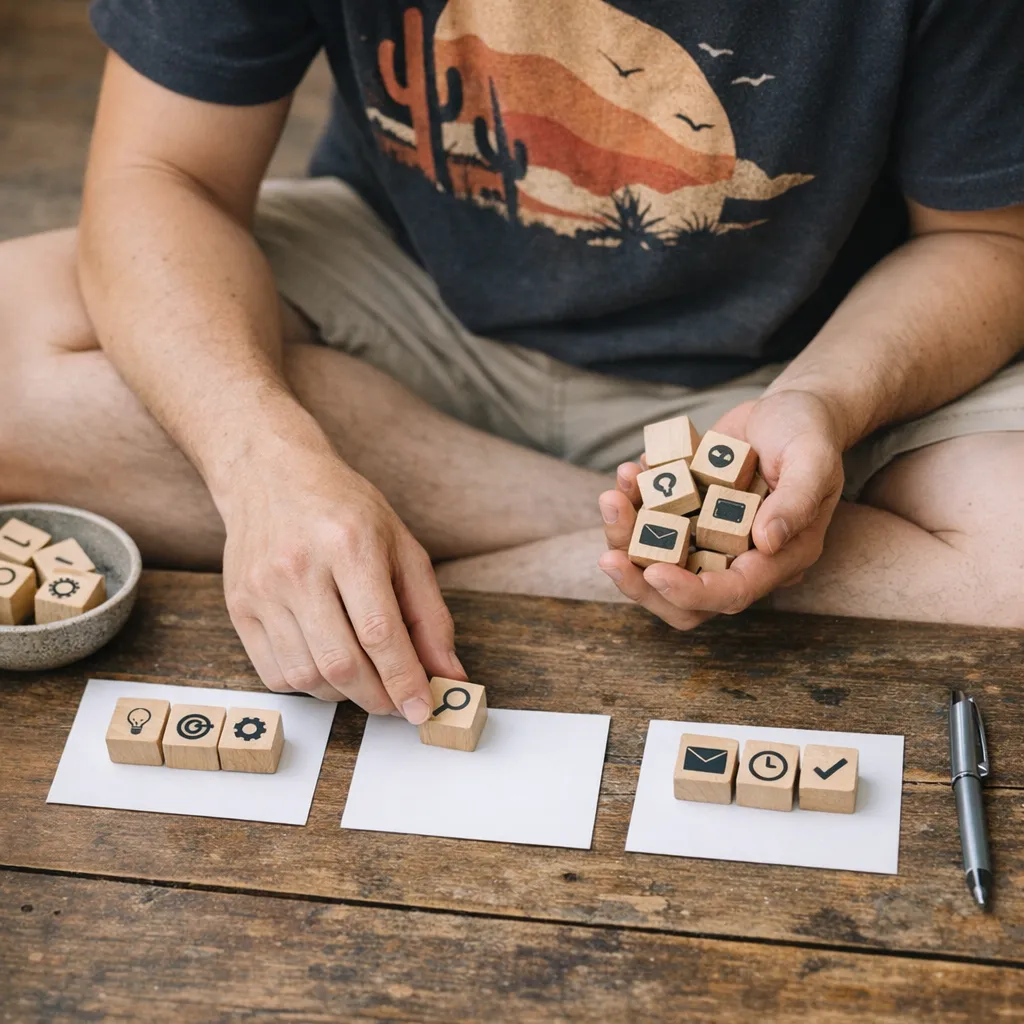
Fold or Hang T-Shirts: What Keeps Shape Best?
Should I hang featherweight T-shirts?
Yes, hang featherweight tees to maximize airflow and keep drape, especially when you want quick visibility in a busy morning routine or a crowded closet. They breathe naturally when suspended and stay smooth with minimal handling, reducing the chance of creases from repeated folding. Use slim non-slip hangers about 16–17 inches wide to minimize shoulder dents and keep the garment aligned, leave 1–2 inches between hangers to prevent crowding, which helps each shirt maintain its silhouette over weeks of wear. If you have a larger collection, consider organizing by weight and season to improve airflow. For deeper guidance, see the Lesh lightweight tee guide.
LESH emphasizes breathable storage that respects fabric weight, so keep featherweight pieces on the rod and group heavier items separately to preserve shape. In practice, hang them in a single layer or two slim rows with consistent spacing, then reassess each season to ensure nothing shifts or warps. If your closet is tight, add shelf risers and shorter hangers to preserve airflow behind the front row and make it easier to see every option at a glance.
When should I fold heavier or printed tees?
Direct answer: Fold heavier cotton, oversized, or printed tees to preserve shape and protect prints, particularly when you want to save rod space or avoid hanger marks on bold graphics.
Folding distributes weight evenly, reducing shoulder stress and preventing crease lines that can set in over time on thick knits, and it keeps prints evenly placed for a cleaner overall stack. Store folded tees in 6–8 inch deep drawers or on open shelves with neat stacks and aligned edges so prints stay visible without tugging at the fabric. Interleave prints with acid-free tissue if inks are delicate, and organize stacks by color or print family to speed dressing. For brand context, see Lesh about us.
How should I account for sizing and fit when storing T-shirts?
Direct answer: Check fabric weight and measurements because fit varies by cut, which changes how you treat each piece in storage.
Context: If you’re unsure about how a specific tee will behave, review the sizing chart and store policies for that brand before changing your closet setup. See Lesh storage insights for practical context. A consistent approach across your stacks-same fold or same hanger type for similar fabrics-helps maintain uniform appearance and reduces decision fatigue when dressing.
Lesh storage insightsSizing note: sizing can vary, check measurements and store policies.
Fold or Hang T-Shirts: What Keeps Shape Best?
- Hanger width should be 16–17 inches to minimize shoulder dents and preserve silhouette (2025) per Lesh closet notes .
- Keep 1–2 inches between hangers to maintain airflow and reduce wrinkles (2025) per Lesh storage tips .
- Closet depth of 24 inches supports a single garment column and easy access (2025) per Lesh home storage notes .
- Drawer depth of 6–8 inches helps stabilize stacks of tees (2025) per Lesh drawer guidance .
- Relative humidity target of 45–55% reduces fabric wear over time (2025) per Lesh climate guidelines .
- Temperature target of 65–75 F helps minimize shrinkage and print wear (2025) per Lesh temperature notes .
- Graphic tees storage note: store flat with print facing up and interleave with acid-free tissue if inks are tacky, travel roll can reduce creases (2025) per Lesh print care guidance .
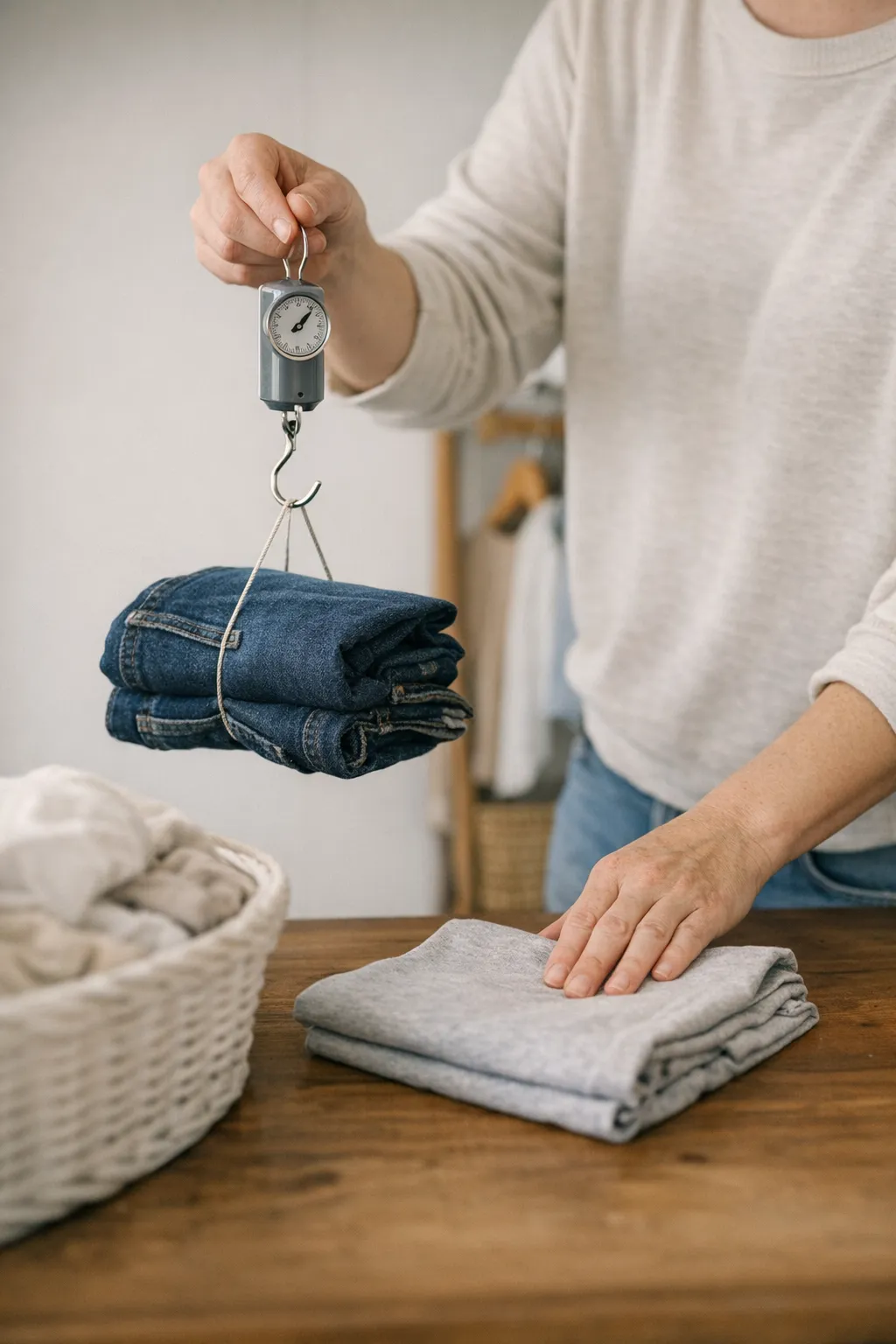
FAQ
Should you fold linen T-shirts to avoid wrinkles?
Linen T-shirts tend to wrinkle if folded, so hanging can keep their shape and drape. Linen is better hung to maintain their natural look. Use slim non-slip hangers about 16–17 inches wide and keep 1–2 inches between hangers to preserve airflow and reduce creasing. LESH storage guidance supports keeping delicate fabrics on the rod for best long-term performance.
Are graphic tees better hung or folded to protect prints?
Direct answer: For graphic tees, storing flat with the print on top or folding to keep prints centered is safer than hanging, since a hanger can stretch or crack designs over time. When space is tight, interleave prints with acid-free tissue if inks feel tacky, and consider rolling for travel to limit creases while preserving the print. For print care tips, see the LESH blog.
How can I maximize closet space for tees in a small room?
Direct answer: Maximize closet space by using vertical organization, keeping a single layer of tees on hangers with 1–2 inches between them. Add shelf risers to double usable space and use 6–8 inch deep drawers or open shelves with neatly stacked tees. Group by fabric weight or print family to speed dressing and reduce rummaging.
Which fabrics should always be folded rather than hung?
Direct answer: Heavy cotton, long-sleeve, and oversized tees are better folded to preserve shape, hanging can cause dents and stretch on broad surfaces. Stack folded tees in open shelves or drawers with edges aligned to maintain a clean silhouette after wear. LESH guidance supports folding bulkier items to conserve rod space.
How should I store vintage or collectible T-shirts for long-term preservation?
Direct answer: Store vintage or collectible tees flat in archival boxes with acid-free tissue and controlled conditions to protect prints and fibers over time. Label boxes and store in a cool, dry environment, periodic checks help catch humidity or pests early. For archival care context, see LESH about us.