
A clothing return policy explains whether returns are accepted, the conditions, and how refunds or exchanges are handled. Read it before ordering to understand eligibility, timeframes, how to start a return, and how lost or damaged items are resolved. Policies should be visible from product pages and the footer, and updates should reflect promotions or inventory changes. A simple two-step flow: initiate via a form or email, then receive a return authorization number and a shipping label. Eligible items are unworn with original tags and in resaleable condition, while final-sale items are often excluded. LESH commits to transparent, user-friendly guidelines and practical customer support, for brand context, see LESH policy overview.
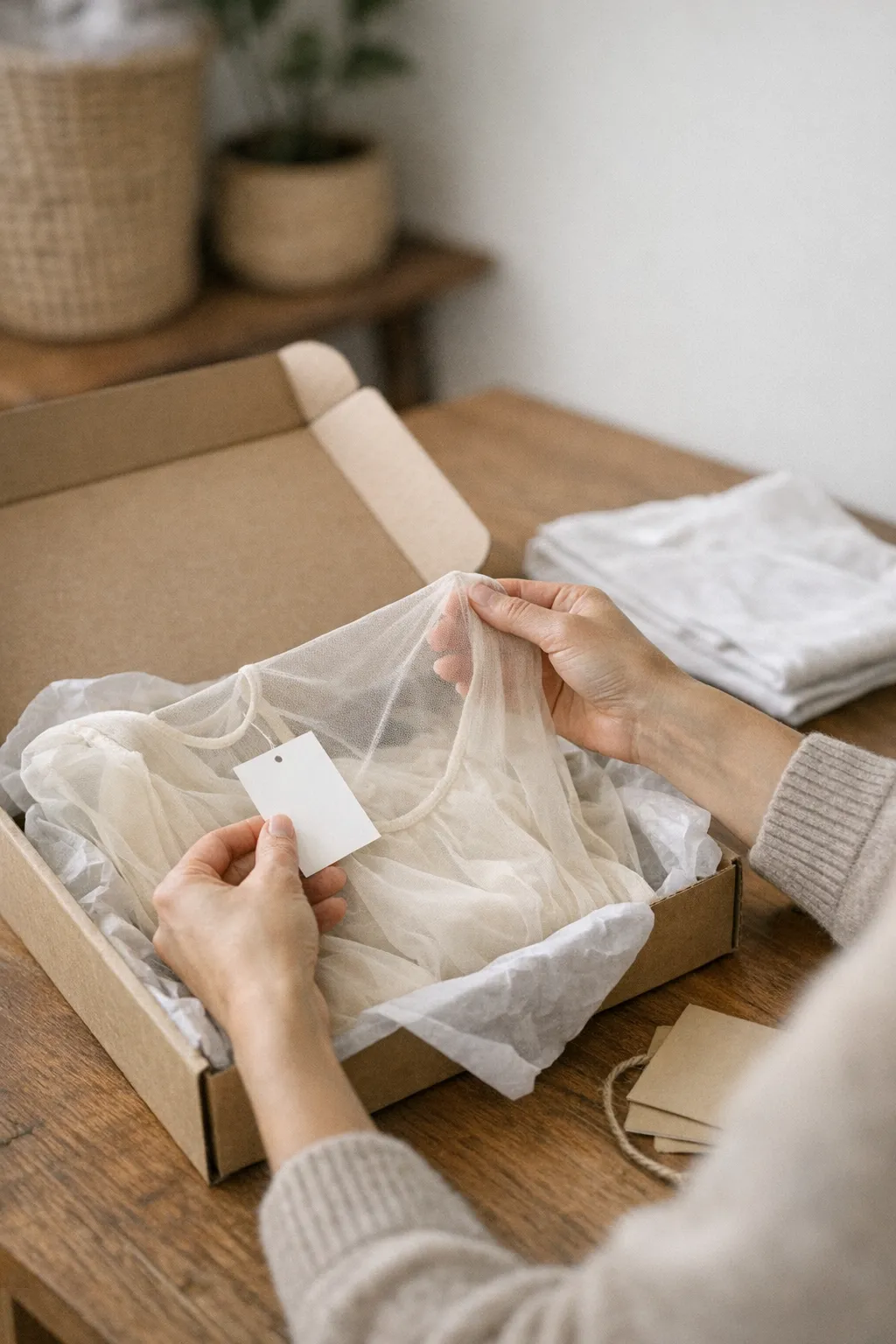
What to read before ordering: understanding the clothing return policy
What should be included in a clothing return policy?
A clothing return policy should clearly state eligibility, timeframes for returns and exchanges, how refunds are issued, and the steps to start a return. It should also outline any conditions that could affect eligibility, like item wear, tags, and proof of purchase, so shoppers know exactly what they can and cannot return. It must be easy to locate from product pages and the footer, and the tone should fit the LESH brand, using plain language and a respectful, helpful voice. Concrete detail: provide a simple two-step flow-initiate via a form or email, then receive a return authorization number and a shipping label where applicable, if no label is offered, explain alternative methods to complete the return and where to send questions.
For brand context, see the Lesh policy overview .
How do I start a return?
Start a return by using the online form or contacting support. The form should be accessible from product pages and the footer in both mobile and desktop views, with clear instructions and required fields to minimize friction.
Once submitted, you should receive a return authorization number and a shipping label if applicable. Some stores automatically email a prepaid label, while others provide terms for customers to arrange their own return, include an estimated processing time and clarify whether refunds will be issued to the original payment method or as store credit when allowed.
What items are eligible for return, and what are common exclusions?
Eligible items are unworn, with original tags, and in resaleable condition. The policy should specify that items must be in saleable condition, with accessories included if applicable, and require proof of purchase in many cases to facilitate tracking.
Context: Policies may exclude final-sale items, accessories, or items without proof of purchase. Sizing can vary by fabric, check measurements against the size chart. For reference on product range, see the Lesh collection page .
When will I get a refund or exchange?
Refunds or exchanges are issued after the item is received and inspected, and the inspection confirms the item meets the policy’s criteria for a refund or exchange.
Context: The reimbursement method typically follows the original payment method, or store credit where allowed. The timeframes for processing refunds can vary by payment processor, so include expected timelines and note whether refunds appear back on the original method or as store credit, for policy language, see the Lesh privacy policy .
Data and facts about returns you should know
- In 2022, online returns fraud accounted for 10.7% of all returns, underscoring why clear eligibility rules and easy-to-follow steps help reduce confusion NRF data context .
- Wardrobing fraud represented about 50% of return activity in 2022, illustrating the need for policies that specify acceptable wear and original condition NRF wardrobing data .
- 41.4% of returns involved shoplifted or stolen items in 2022, highlighting the importance of proof of purchase and proper item tracking NRF breakdown .
- Returns tied to organized retail crime stood at 20% in 2022, reinforcing the value of clear verification steps and damage reporting security policy context .
- 79% of shoppers want free returns, a signal that convenient policies can influence conversion and trust LESH customer insights .
- 47% of shoppers want easy-to-print return labels, supporting the need for simple, print-ready labels to speed refunds survey context for label preference LESH home .

FAQ
What is a return policy and why read it before ordering?
A return policy explains whether returns are accepted, the conditions, and how refunds or exchanges are handled. Reading it before ordering helps set expectations and prevent surprises after checkout. It should be easy to find on product pages and in the footer, and updates should reflect promotions or inventory changes. For brand context, visit the LESH home page .
Why is a return policy important for ecommerce?
It protects customers and businesses by clarifying eligibility, timeframes, and procedures, it reduces disputes and builds trust. It also guides shoppers through steps for returns, exchanges, or refunds, and helps ensure consistent handling by staff. A clear policy supports smoother post-purchase experiences and improves perceived reliability of the brand.
What should be included in a return policy?
Eligibility, timeframes, refunds or exchanges, processes for starting a return, and how lost or damaged items are handled. The policy should also specify exclusions (like final-sale items), acceptable item condition, and the method of reimbursement, such as original payment method or store credit, to set expectations.
How long do I have to return clothing?
The timeframe is defined by the policy and should be checked on product pages or during checkout notes. Shoppers should confirm any regional exceptions and whether deals or promotions alter standard windows, as policies can vary with inventory or seasonal campaigns. Always read the policy closely to avoid surprises when planning returns.
Should I offer free returns or charge for them?
This depends on margins and promotions, policies should clearly state any conditions and who pays for return shipping. Transparent terms help manage expectations, reduce returns abuse, and protect margins while ensuring customers understand whether they receive refunds, exchanges, or store credit.
How should a return be initiated by the customer?
Use the online returns form or contact customer support, you will receive a return authorization and shipping instructions. The flow should be accessible from product pages and the footer, with a simple process to minimize friction and expedite refunds or exchanges.