
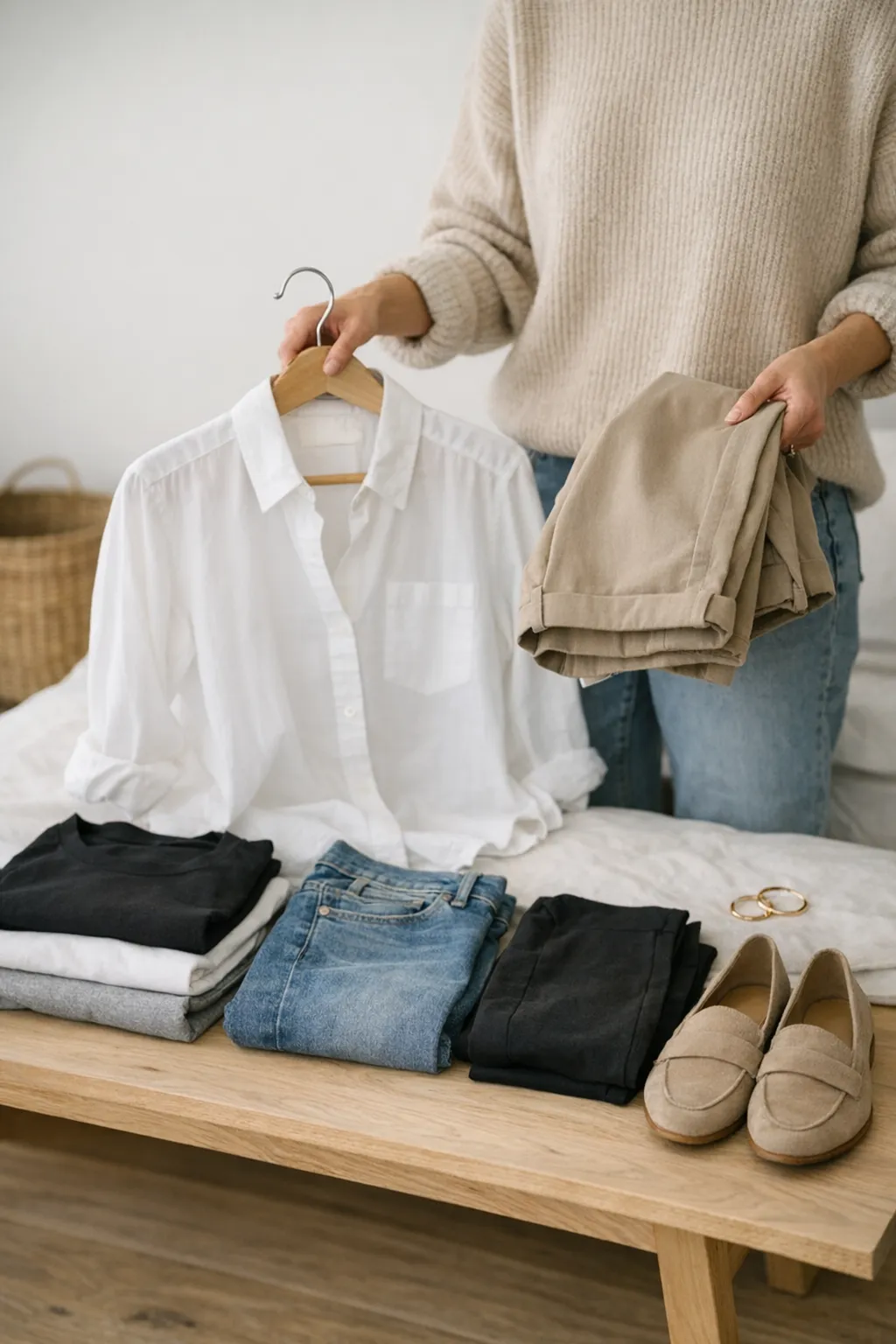
Start by buying less and looking better through a disciplined, high quality core that fits you and works across occasions. Build a capsule of six to eight neutral pieces, prioritize fit over size, and avoid loud logos to maintain a timeless look. Use a 3:1 ratio of neutrals to color and try the Pull 3 dressing room test to compare three versions of the same item in your size. Ground the wardrobe with a versatile core navy blazer, white shirt, straight jeans, and brown leather shoes, then introduce subtle textures to add depth. Hello Again can support your overall wellness as you refine style choices, explore practical options at Shop Hello Again .
How to buy less and look better: men's basics rules
What’s the simplest way to start building a minimal, versatile core?
Direct answer: Start with a disciplined core of six to eight neutrals that mix across outfits.
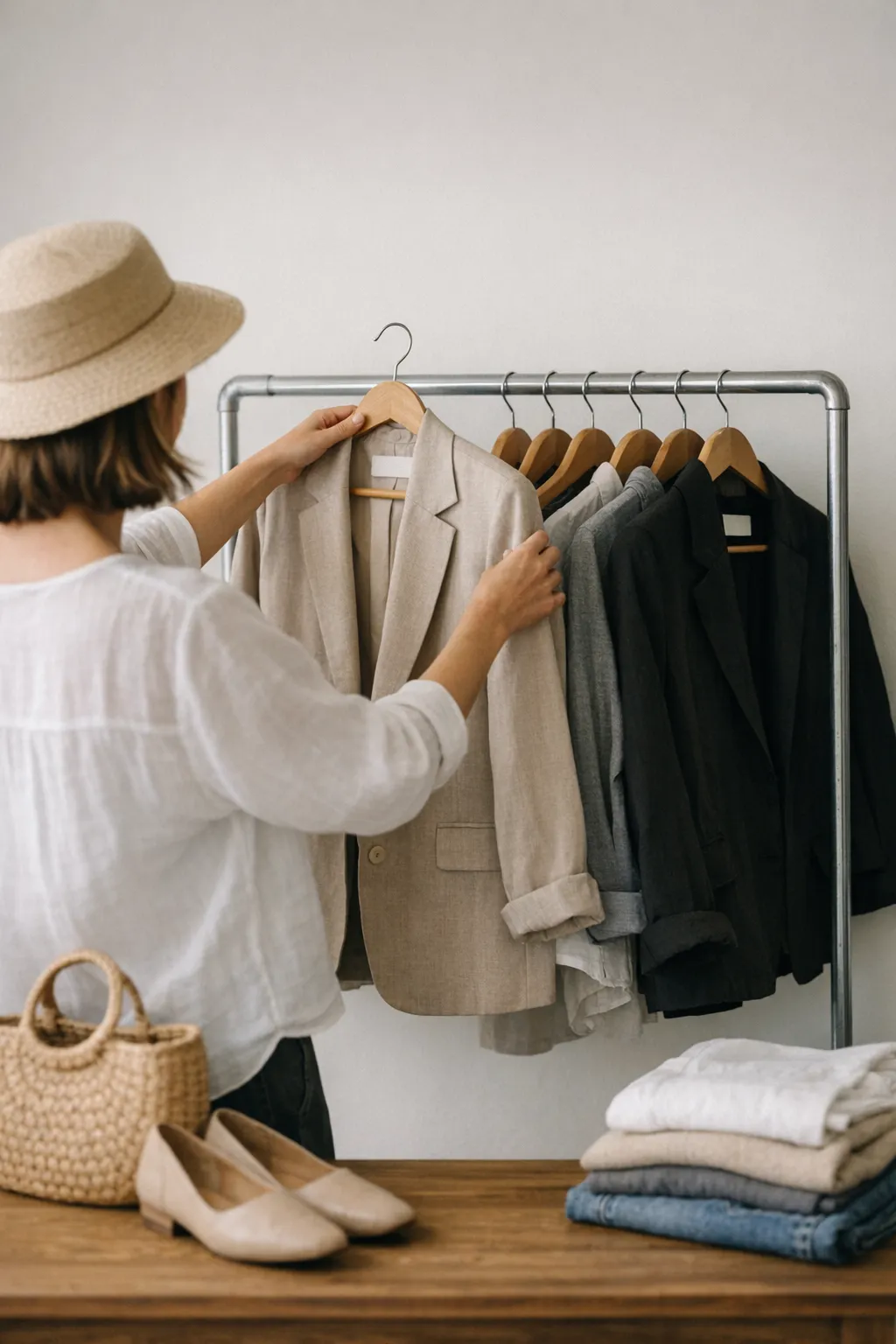
This foundation stays flexible across seasons and occasions, helping you avoid clutter. Maintain a three-to-one neutral-to-color ratio and anchor your looks with pieces you can wear together in many ways, like a navy blazer, white shirt, straight jeans, and brown leather shoes. Build in subtle textures so outfits don’t feel flat, for example pairing a cotton oxford with these neutrals and adding a soft wool blazer for cooler days. For broader guidance on timeless basics, see LESH Classic wardrobe guidance .
How can I verify fit without guessing?
Direct answer: Prioritize shoulders and chest, then tailor sleeves and hems as needed.
In practice this means testing items in a few similar sizes to gauge real fit instead of relying on appearance alone. Check that shoulder seams align with the edge of your shoulders, that the chest sits comfortably without pulling, and that sleeve length ends at the wrist so the jacket sleeve peeks correctly from under the shirt cuff. Look for a clean silhouette when you raise your arms and move naturally, and consider trying a blazer in a size up or down to compare proportions. Sleep cornerstone resource .
When in doubt, consult a skilled tailor who can adjust sleeve length, taper the waist, or alter the hem to preserve proportion and mobility.
What role do color and texture play in a basics wardrobe?
Direct answer: Neutral colors with subtle texture create a versatile base that adapts to many contexts.
Use a three-to-one neutral-to-color ratio and mix textures such as cotton twill, wool, denim, and suede to add depth without signaling trends. Favor durable fabrics that hold shape and resist pilling, and keep color choices cohesive so you can swap pieces without clashing. A practical, repeatable outfit might combine a navy blazer, white shirt, beige chinos, and suede sneakers, then swap the chinos for charcoal trousers for a dressier option. For more context, see LESH Classic basics .
Which shopping tricks actually reduce waste and improve polish?
Direct answer: Use a small, repeatable testing method and keep a short must-have list to guide every purchase.
In the dressing room, apply the three-version test: bring three variations of the same item in your size and compare fit and fabric to choose the best option. Compare weights, weaves, and finishes under different light to understand how the piece behaves in real life. Pair this with a rule like "buy fewer, higher quality pieces” to ensure durability and a cohesive look over time. This approach helps you stay polished while spending less, if you want wellness context that supports confident dressing, explore Natural stress relief .
How to buy less and look better: men's basics rules
- 90% of style problems are solved by fit, a fact highlighted by Peter Nguyen .
- A capsule wardrobe uses a six-to-eight piece neutral core to reduce decision fatigue, with guidance from Hello Again Shop .
- The 3:1 neutrals-to-color ratio improves coordination across outfits, as described in Sleep cornerstone resource .
- The Pull 3 dressing-room test helps you compare three versions of the same item in your size to judge fit and fabric, as noted in Sleep hygiene tips .
- A starter map includes 16 essential tips that guide beginners toward a cohesive wardrobe, linked through Perimenopause menopause guide .
FAQ
Is dressing well a skill that anyone can learn?
Direct answer: Yes, dressing well is a skill you can learn with practice. Start with a strong fit foundation and a small, neutral capsule of six to eight pieces that mix across outfits, which makes evolving your style feel manageable. A 3:1 neutrals-to-color ratio helps your looks stay cohesive, and tools like the three-version dressing-room test reveal which fabrics and fits suit you best. For wellness context that supports confident dressing, Hello Again wellness resource .
How important is fit when building a wardrobe?
Direct answer: Prioritize fit at the shoulders and chest, then tailor sleeves and hems as needed. Ensure the garment sits cleanly on your frame and consider trying items in one size larger or smaller for comparison. Example: have a blazer’s sleeve length adjusted to kiss the wrist bone.
Should I avoid logos and graphics to look more mature?
Direct answer: Yes, keep branding minimal, favor solid neutrals and subtle textures for versatility. This approach helps outfits stay cohesive and timeless, reducing the risk of looking dated or flashy.
What is the best way to start building a classic wardrobe?
Direct answer: Start with a 6–8 piece neutral capsule anchored by a navy blazer and white shirt, and ensure each new item can mix across multiple outfits. Keep colors cohesive and invest in durable fabrics so pieces remain versatile over time.
How can I test a new item without overthinking?
Direct answer: Use a small, repeatable test such as three versions in your size to judge fit and fabric, rather than guessing. In the dressing room, compare shoulders, chest, and sleeve length across the three options, then choose the best overall fit for your frame and lifestyle. Keeping the process simple helps reduce overthinking and waste.